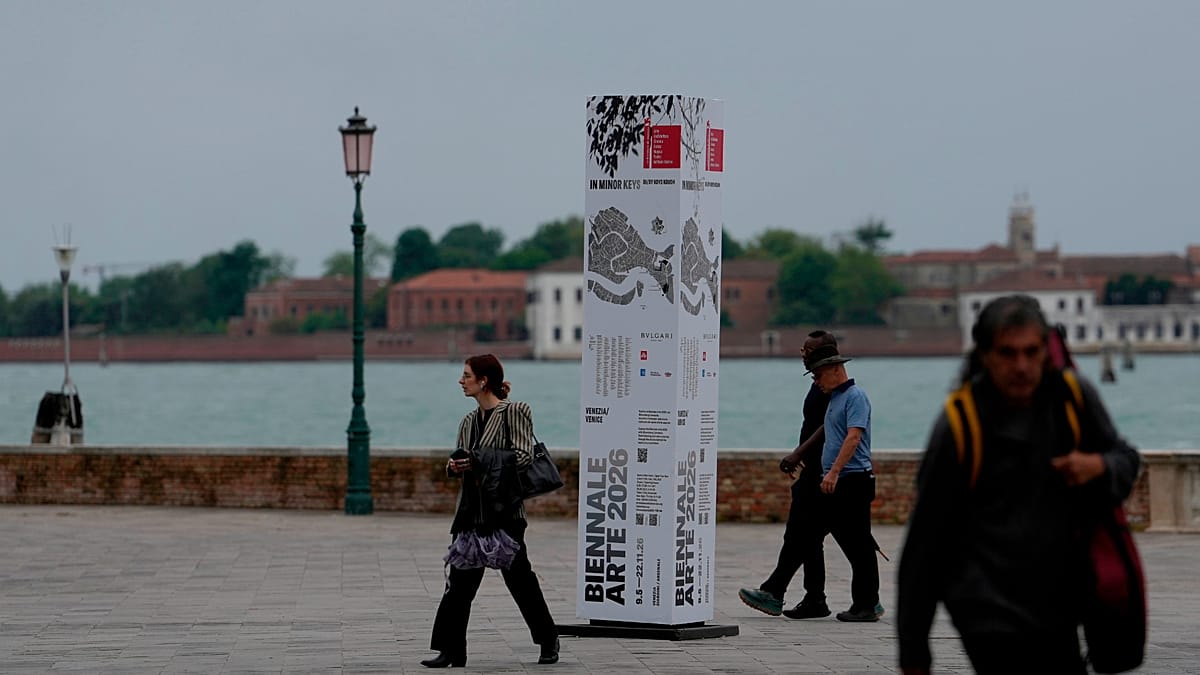
The 61st Venice Biennale International Art Exhibition opened on Saturday, 9 May, under a cloud of political tension that turned the final pre-opening day into a series of protests. The event, which runs until November 2026, has become a flashpoint for debates over war, censorship, and cultural diplomacy.
On Friday afternoon, around two thousand demonstrators gathered along Via Garibaldi in what organisers described as the first workers' strike in the Biennale's history. Called by multiple trade unions and collectives, the protest targeted the presence of the Israeli pavilion, which activists labelled the 'genocide pavilion' in reference to Israel's ongoing military operations in Gaza. The procession moved toward the Arsenale, where police in riot gear clashed with protesters attempting to breach security barriers near the exhibition venues.
European Pressure Over Russian Pavilion
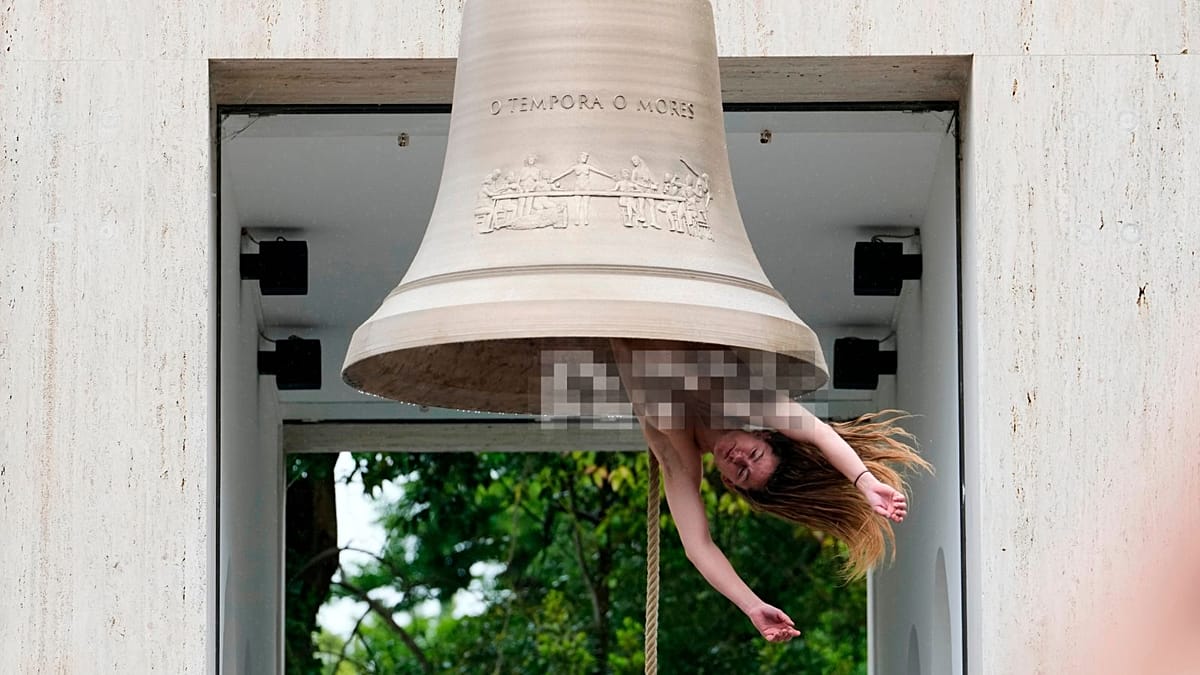
The temporary reopening of the Russian pavilion added another layer of controversy. Earlier in the week, the Pussy Riot collective staged disruptive actions at the site, as reported by European Pulse. The European Union responded by threatening to withdraw funding for the Biennale if the event was used to legitimise Kremlin positions. After days of negotiations, Biennale officials announced that the Russian pavilion would remain closed for the duration of the exhibition, with visitors only able to view works through windows. This financial pressure from Brussels puts the event's budget at risk, as the European Commission demands consistency with international sanctions against Moscow for its invasion of Ukraine.
The impact of Friday's strike was visible in the closure of some twenty national pavilions. Countries that participated in total or partial shutdowns included Austria, Belgium, Spain, the United Kingdom, Turkey, Finland, and Ireland. The ANGA collective stated that the closures were not merely a protest but a rejection of complicity with political and economic structures supporting cultural production during wartime.
Salvini's Visit and Ministerial Boycott
Italian Deputy Prime Minister Matteo Salvini visited the Giardini on Friday afternoon, calling his presence a tribute to Venice and art beyond political boycotts. He declared that 'art is free' and that he aimed to end controversies that should not involve a foundation like the Biennale. Regarding the clashes, Salvini commented that 'beating up policemen for the Palestinian cause accomplishes nothing,' adding that protesters were 'in the wrong place at the wrong time.' He later visited the Russian pavilion, where Commissioner Anastasia Karneeva expressed gratitude: 'The Italian Deputy Prime Minister Matteo Salvini gave us a wonderful surprise, and we thank him: his visit gave us great pleasure.'
In contrast, Italian Minister of Culture Alessandro Giuli boycotted the opening after a dispute with Biennale president Pierangelo Buttafuoco. Giuli said he wrote to Buttafuoco expressing 'respectful dissent' over the Russian pavilion's reopening but received no reply. 'So we stayed, but now we look ahead,' Giuli stated. The inauguration of the Italian pavilion, organised by the Ministry of Culture, took place without institutional representation, revealing a rift between Giuli and Buttafuoco. Politicians attending the Venice pavilion opening included Salvini, Venice mayor Luigi Brugnaro, and regional council president Luca Zaia, who showed support for Buttafuoco.
The Biennale's opening reflects broader European divisions over cultural engagement with nations involved in conflicts. As EU sanctions continue to strain Russia's economy, the event underscores the challenges of maintaining artistic exchange amid geopolitical tensions.