Bulgaria's unexpected triumph at the Eurovision Song Contest 2026 in Vienna has set off a lively competition among four cities vying to host the 71st edition in 2027. While the capital Sofia is the traditional frontrunner, the bids from Plovdiv, Varna, and Burgas signal a desire to showcase the country's diversity beyond its administrative centre.
"The capital and the opportunities Sofia offers are unquestionably leading," Minister of Culture Evtim Miloshev told Bulgarian National Television. "But what happened on Sunday, with the three big cities, Burgas, Plovdiv and Varna, making a serious and ambitious statement of interest, is a good sign."
Recent contests have moved away from capital cities—Rotterdam, Turin, Liverpool, and Malmö all hosted successfully—so Bulgaria may well follow suit. Here is a closer look at each contender.
Sofia: Ancient Layers and Modern Murals
Known as Serdica in Roman times, Sofia still bears traces of its imperial past. Commuters passing through Serdica Metro Station can glimpse excavated ruins integrated into the station's design—a daily reminder of the city's 2,000-year history.
Today, Sofia has become a street art destination. More than 100 large murals dot the city, alongside countless smaller pieces. Notable works include Bozko's contemporary take on the St. George legend and Inner Flame by 140 Ideas, which honours the city's firefighters. For those who prefer winter sports, Sofia sits at the foot of Vitosha Mountain, offering night skiing under floodlights in January and February.
For cat enthusiasts, the city also hosts the Sofia International Cat Show Expo, drawing feline lovers from across Europe.
Plovdiv: Europe's Oldest Continuously Inhabited City
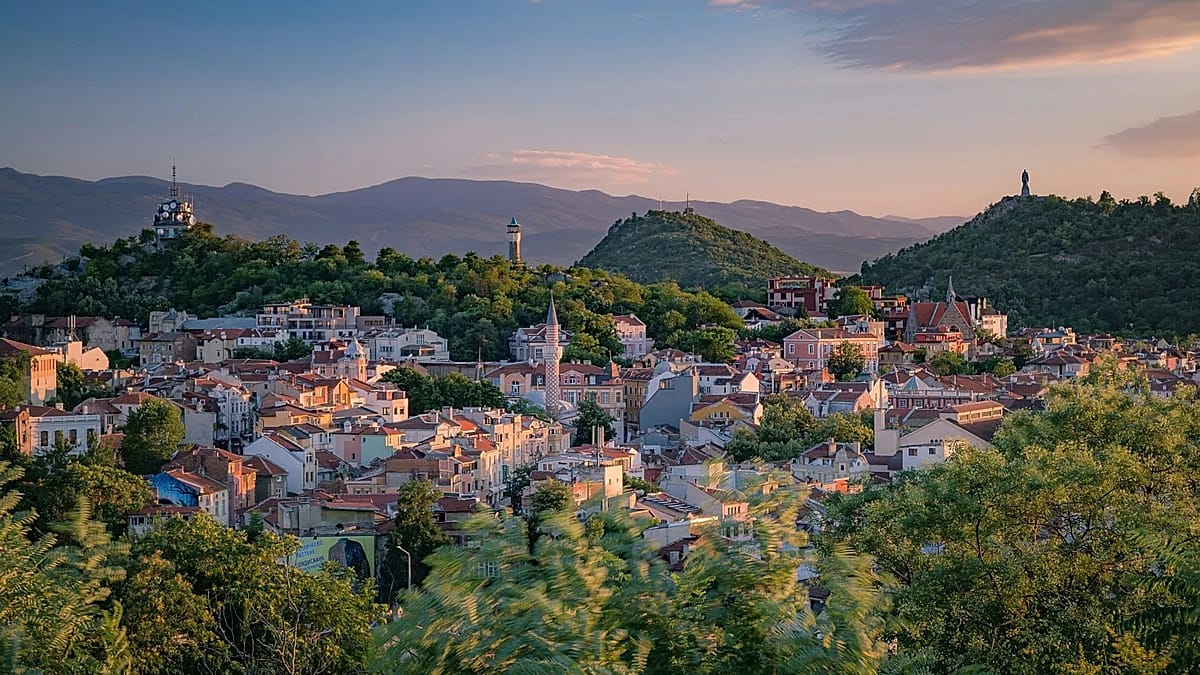
Plovdiv claims the title of the oldest continuously occupied settlement in Europe, with evidence of habitation dating back to 6000 BC. Built on seven hills, the city rewards visitors who climb Nebet Tepe, where remnants of ancient walls and a fortress offer panoramic views—especially popular at sunset.
The Roman theatre of Philippopolis is among the best-preserved ancient theatres in the world. Named for Philip II of Macedon, father of Alexander the Great, it still hosts performances for up to 6,000 spectators. Plovdiv's layered history—Thracian, Roman, Ottoman, and Bulgarian—makes it a compelling destination for any history enthusiast.
Varna: Black Sea Beaches and the World's Oldest Gold
Bulgaria's third-largest city, Varna, sits on the Bulgarian Riviera along the Black Sea. Its sandy beaches draw summer crowds, but the city's archaeological heritage is equally impressive. The Roman baths here rank as the fourth largest in Europe.
The Varna Necropolis, a Copper Age cemetery, yielded the world's oldest processed gold, dating from 4600 to 4200 BC. These treasures are displayed at the Varna Archaeological Museum, offering a glimpse into prehistoric craftsmanship.
Burgas: Lakes, Beaches, and a UNESCO Neighbour
Burgas, also on the Black Sea coast, is known for its lakes as much as its beaches. Lake Burgas is the country's largest, while Lake Atanasovsko turns a striking pink hue due to algae. Just 30 kilometres away lies the UNESCO-listed Ancient City of Nessebar, originally a Thracian settlement with well-preserved medieval churches.
Whoever wins the hosting rights, Bulgaria's Eurovision victory has already put these cities on the map. The decision will likely come in the coming months, as the European Broadcasting Union evaluates infrastructure, venue capacity, and transport links. For now, each city offers a distinct reason to visit—well before the 2027 contest begins.