The US Federal Reserve is widely expected to leave interest rates unchanged when it concludes its two-day policy meeting on Wednesday, even as inflation continues to run above its 2% target. Investors had priced in a 32% chance of a rate increase on Tuesday night, reflecting what analysts describe as the most uncertain decision in years.
While most economists anticipate no move this week, the risk of a hike in September is seen as significant. The central bank's federal funds target range has stood at 3.50% to 3.75% since December 2025.
Geopolitical and domestic pressures
Renewed tensions in the Middle East have sent oil prices soaring, reigniting fears that inflation could accelerate in the world's largest economy. Beyond the Iran conflict, other factors adding to price pressures include tariffs imposed by President Donald Trump on foreign goods and a surge in investment in data centres to power artificial intelligence, which is driving up the cost of computer chips, equipment and electricity.
A tamer-than-expected inflation report for June had offered some breathing room. Headline consumer prices rose 3.5% year-on-year, down from 4.2% in May, while core inflation came in at 2.6%, following a 2.9% reading the previous month. The decline was largely driven by changes in energy prices.
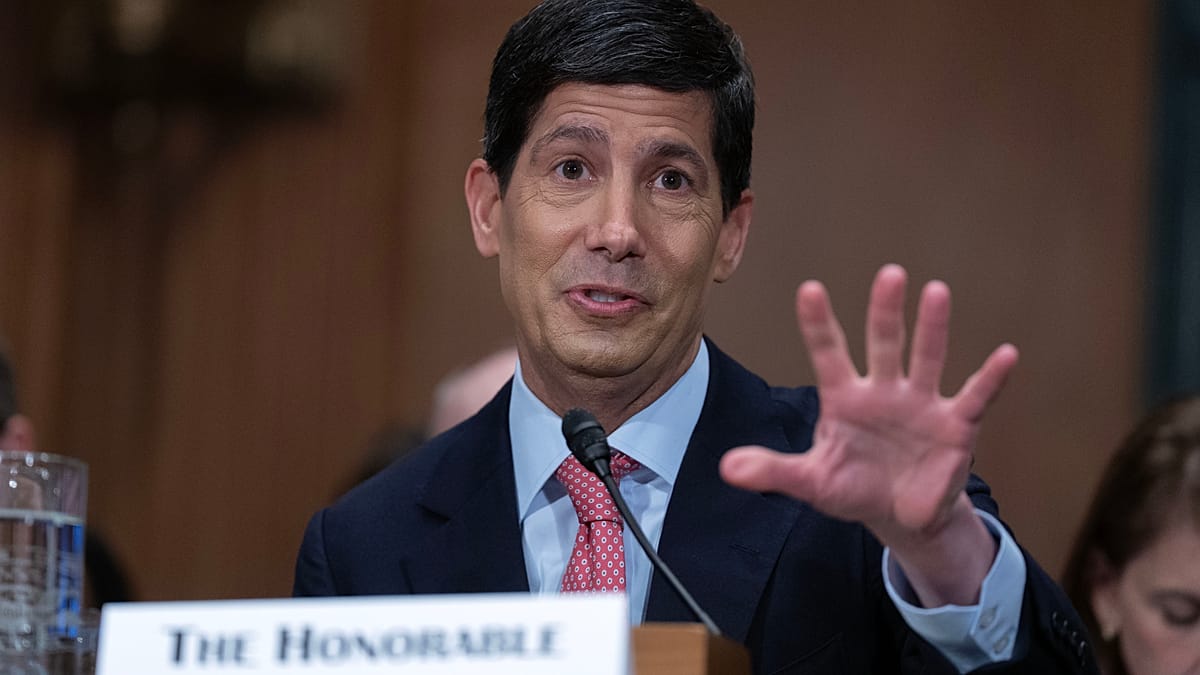
Despite this, inflation has remained above the Fed's 2% target for more than five years. New Fed Chair Kevin Warsh told Congress earlier this month that he had "no tolerance" for elevated inflation. Warsh is presiding over his second policy meeting this week.
Fed watchers Joseph Egelhof and Guneet Dhingra at BNP Paribas Securities said in a note that "policymakers' patience with high and persistent inflation is broadly exhausted, meaning there is a significant risk" of a rate hike in September.
Data dependency and market expectations
Padhraic Garvey, ING's regional head of research for the Americas, said: "The logic for no change centres, in part, on the calming in June inflation readings. President Trump has also helped pave an unchanged bias given the seeming renewed halt to hostilities with Iran. And from a macro perspective, the US economy is exhibiting vulnerabilities outside of tech."
Policymakers may also want to see more economic data before acting. On Thursday, the Commerce Department will release its first estimate of GDP growth for the second quarter and the Fed's preferred inflation gauge, the personal consumption expenditures (PCE) price index, for June.
According to the CME FedWatch tool, more than 30% of Wall Street traders predict a rate increase this week, while 76% foresee a hike in September. Several Fed policymakers have argued that rates will need to rise to return inflation to target.
"Sternly staring at inflation until it melts before our withering gaze is not an option," Christopher Waller, an influential member of the Fed's governing board, said in a speech this month.
For European readers, the Fed's decisions have direct implications. A stronger dollar and higher US rates can tighten financial conditions globally, affecting exports from the eurozone and putting pressure on the European Central Bank, which held its own rates at 2.25% last month. Meanwhile, rising energy costs linked to Middle East instability are already feeding into European inflation, and the Baltic Sea is facing its own environmental pressures from warming waters.
The broader context of global trade and investment also matters. As the US pours capital into AI infrastructure, European automakers like Volkswagen are racing to catch up in self-driving technology, while public debt in countries like Poland continues to climb. The Fed's next moves will be closely watched from Frankfurt to Warsaw.