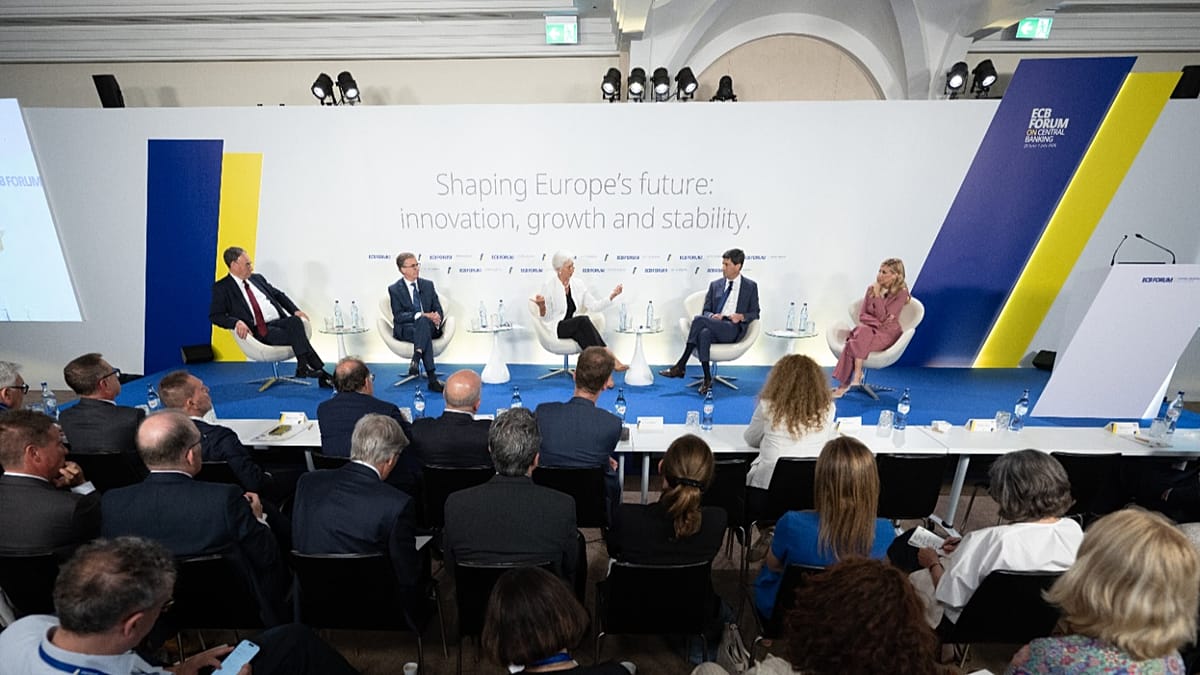
At the European Central Bank Forum in Sintra, Portugal, Federal Reserve Chair Kevin Warsh confirmed that US central bankers will decide on a potential interest rate hike within four weeks. Speaking during a debate, Warsh offered little guidance on the outcome, stating, "When we get into that room and shut the door we're going to have a good debate."
Divergent Paths for the Fed and ECB
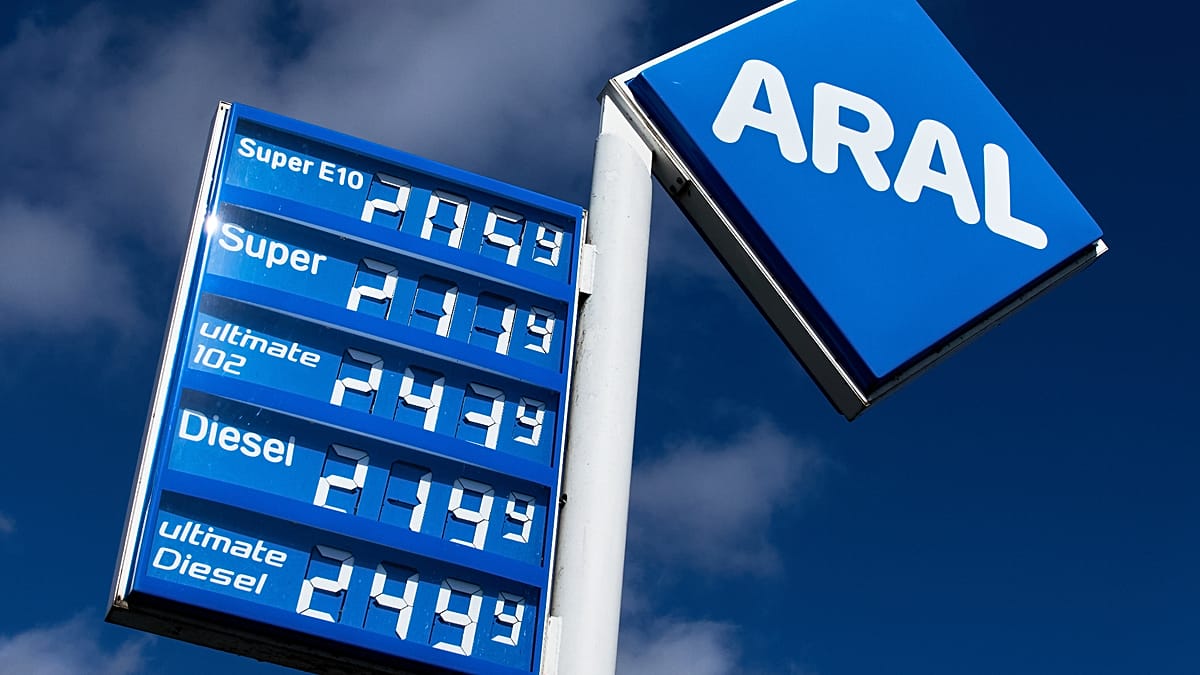
The European Central Bank, grappling with inflation fueled by the war in the Middle East, raised its benchmark rate on 11 June. Despite a preliminary US-Iran peace framework and falling energy prices—Brent crude dropped to around $72 per barrel on Wednesday from a war peak of $120—ECB models project that eurozone inflation will not reach the 2 percent target until 2027. In contrast, the Federal Reserve has maintained steady rates, though both central banks share the same long-term inflation goal.
Europe faces structurally higher energy costs than the United States, a disparity exacerbated by the conflict. The war's ripple effects have kept energy prices elevated and inflation ticking upward across the continent. Warsh acknowledged that energy is not the sole driver, pointing to the "AI boom" as a significant factor. "The AI shock is leading to a boom in capital expenditures," he explained, noting that central bankers must assess whether this investment is inflationary. "Right now, companies are investing in the future because their expectation is the supply side of the economy will expand, and if it does, that has huge implications for monetary policy."
This AI-driven investment surge has drawn attention from regulators. As Central Banks Warn AI Investment Surge Risks Financial Crash, the potential for asset bubbles and financial instability adds another layer of complexity for policymakers in Frankfurt and Washington.
For the ECB, the path to price stability remains arduous. The institution, led by Christine Lagarde, has emphasized the need for a Capital Markets Union to strengthen the euro's global role, as Lagarde: Capital Markets Union Key to Euro's Global Reserve Ambitions. Yet, without a coordinated fiscal and monetary framework, individual member states like Germany, France, and Italy face uneven inflation pressures. The Bundesbank in Berlin has warned that domestic price growth could persist, while Italy's high public debt limits its ability to absorb shocks.
Meanwhile, the Federal Reserve's upcoming decision will be closely watched by European investors and exporters. A US rate hike could strengthen the dollar, making European goods cheaper abroad but also increasing import costs for energy and raw materials. The interplay between US monetary policy and European economic stability underscores the interconnected nature of global finance.
As the Sintra debate concluded, Warsh offered no clear signal, leaving markets to speculate. With energy prices still volatile and AI investment reshaping industries, both central banks face a delicate balancing act: taming inflation without stifling growth. The next four weeks will be critical for the Fed, while the ECB continues its long march toward the 2 percent target.