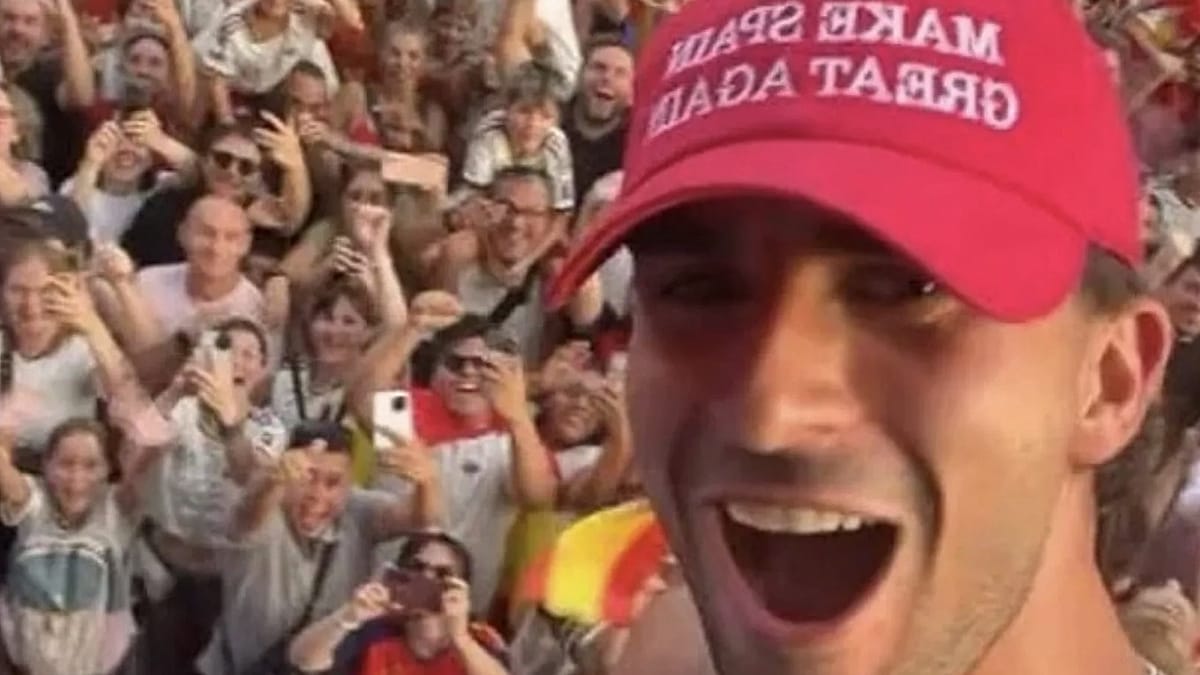
Barcelona forward Ferran Torres has brushed off the controversy over his appearance at Spain's World Cup victory parade wearing a cap that echoed Donald Trump's 'Make America Great Again' slogan. In an interview with CNN, the 26-year-old insisted the gesture was purely playful and carried no political weight.
"It was just to have fun with my friends and family and it had nothing to do with politics," Torres said in English. "Honestly, I don't know anything about politics. It was only about being able to see Spain back on top again, winning the Cup."
The cap, which read 'Make Spain Great Again', drew immediate attention on social media and beyond. The official White House account even posted that "everyone wants to join this movement," interpreting the footballer's choice as tacit endorsement of the MAGA ideology. Torres, however, dismissed any such reading, emphasizing his focus was on celebrating Spain's triumph.
A moment of celebration, not politics
The Valencia-born player was a key figure in Spain's run to the 2026 World Cup title, scoring the decisive goal in the 106th minute of the final against Argentina at the New York/New Jersey stadium. The following day, as the team paraded through Madrid, Torres wore the cap that would spark a transatlantic debate.
His comments come amid reports that he is considering a move away from Barcelona. Rumors have linked him with Paris Saint-Germain, coached by former Spain boss Luis Enrique. When CNN's Kaitlan Collins asked directly about his future, Torres remained noncommittal. "Right now the only thing I know is that I have to go back there on 12 August and train with them," he said with a smile. "We'll see what happens... in football everything can change in an instant, I'm ready for anything."
The transfer speculation has been accompanied by unverified claims that Torres owns a property company that allegedly bought twenty homes in Valencia for speculative purposes. His entourage has denied the story, calling it false.
Torres's comments reflect a broader trend of athletes being drawn into political controversies, often unintentionally. In Europe, where political symbols carry heavy historical weight, such incidents can quickly escalate. The cap's slogan, a direct adaptation of Trump's, was seen by some as a provocative statement, especially given the former president's polarizing reputation across the continent.
Yet Torres's insistence on his political ignorance may ring true for many footballers, who often live in a bubble of training, matches, and travel. His focus, he said, was on the joy of seeing Spain "back on top again"—a sentiment that resonates across the country and beyond.
As the summer transfer window heats up, Torres's future remains uncertain. Whether he stays at Barça or moves to Paris, his on-field contributions will likely define his legacy more than a cap worn in celebration. For now, he seems content to let his football do the talking.