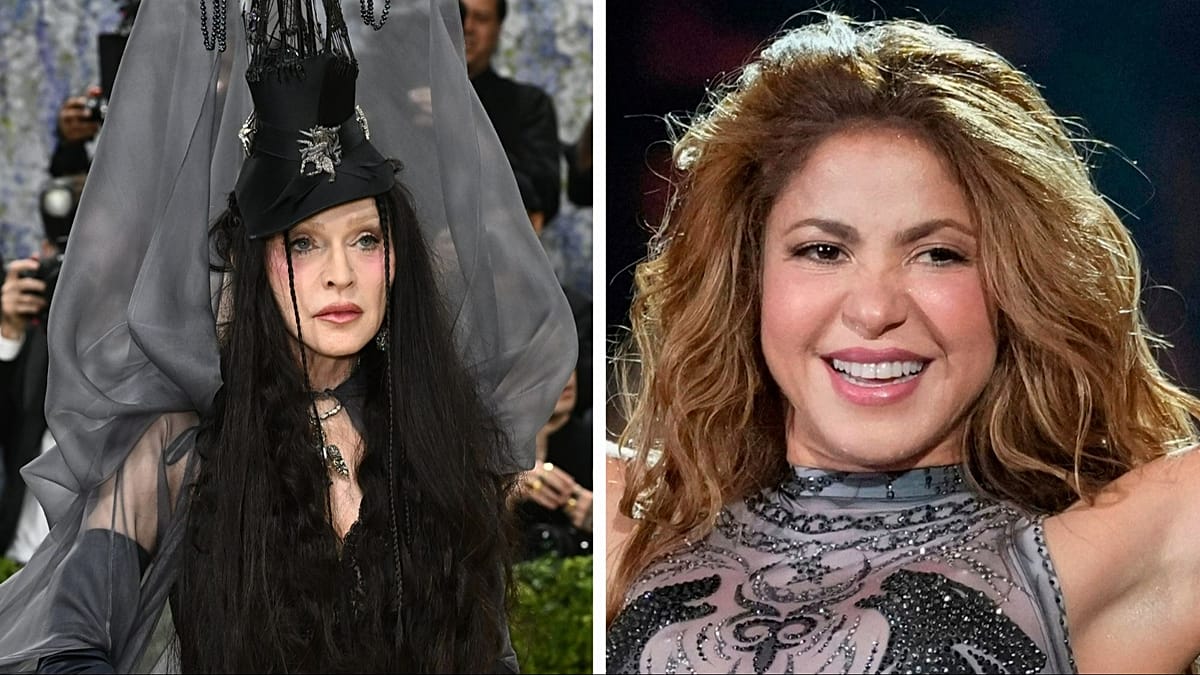
FIFA has confirmed plans for its first-ever halftime show at the World Cup final, scheduled for July at MetLife Stadium in East Rutherford, New Jersey. The lineup includes pop icons Madonna, Shakira, and the South Korean boy band BTS, curated by Coldplay frontman Chris Martin. The move marks a significant departure for football's governing body, which has traditionally reserved musical performances for opening and closing ceremonies.
A Bid to Rival the Super Bowl
The decision reflects FIFA's ambition to capture the kind of global audience and advertising revenue that the NFL's Super Bowl halftime show commands. That event has featured acts ranging from Michael Jackson to Rihanna, and this year included Puerto Rican star Bad Bunny. FIFA President Gianni Infantino described the show as an opportunity to bring together “music and football on the biggest stage in sport for a very special cause.”
Shakira is no stranger to World Cup stages, having performed at multiple opening and closing ceremonies. Last week, she released “Dai Dai,” the official song of the 2026 tournament, in collaboration with Nigerian Afrobeats star Burna Boy. FIFA said royalties from the track, available on major streaming platforms, will support the FIFA Global Citizen Education Fund.
The 2026 World Cup, which kicks off next month, is historic on several fronts. It is the first to be co-hosted by three nations—the United States, Canada, and Mexico—and the first to feature a 48-team format. European teams will be among the favorites, with nations like France, Germany, and Spain expected to contend.
For European fans, the halftime show adds a new layer to the tournament experience. While the Super Bowl's spectacle has long been a cultural benchmark in North America, European audiences are more accustomed to shorter intervals during football matches. The inclusion of BTS, whose fanbase spans the continent from London to Berlin, and Madonna, a longtime fixture in European pop culture, signals FIFA's intent to appeal across demographics.
The show also underscores the growing intersection of football and music, a trend seen in events like the Eurovision Song Contest, where national pride and pop culture collide. Meanwhile, Shakira's recent record-breaking free concert on Copacabana Beach in Rio de Janeiro, which drew 2 million people, demonstrates her enduring draw in Latin America and beyond.
As the tournament approaches, all eyes will be on how FIFA balances the halftime spectacle with the integrity of the match itself. Critics have questioned whether a prolonged break could disrupt player rhythm, but organizers are confident the show will enhance the event's global appeal.