Scientists have released the results of an extensive five-month camera surveillance project at Uganda's Python Cave, a well-known natural reservoir for the Marburg virus. The footage, published in Current Biology, provides a rare, detailed look at how humans and wildlife interact at a site where the deadly haemorrhagic fever virus is known to circulate among fruit bats.
Between 16 February and 23 June 2025, researchers recorded 8,832 hours of video, capturing 321 detections of at least 14 different species. Among the animals observed were vultures, baboons, blue monkeys, eagles, and leopards. The cameras also recorded 214 human visitors, including school groups, researchers, and tourists.
A Persistent Spillover Interface
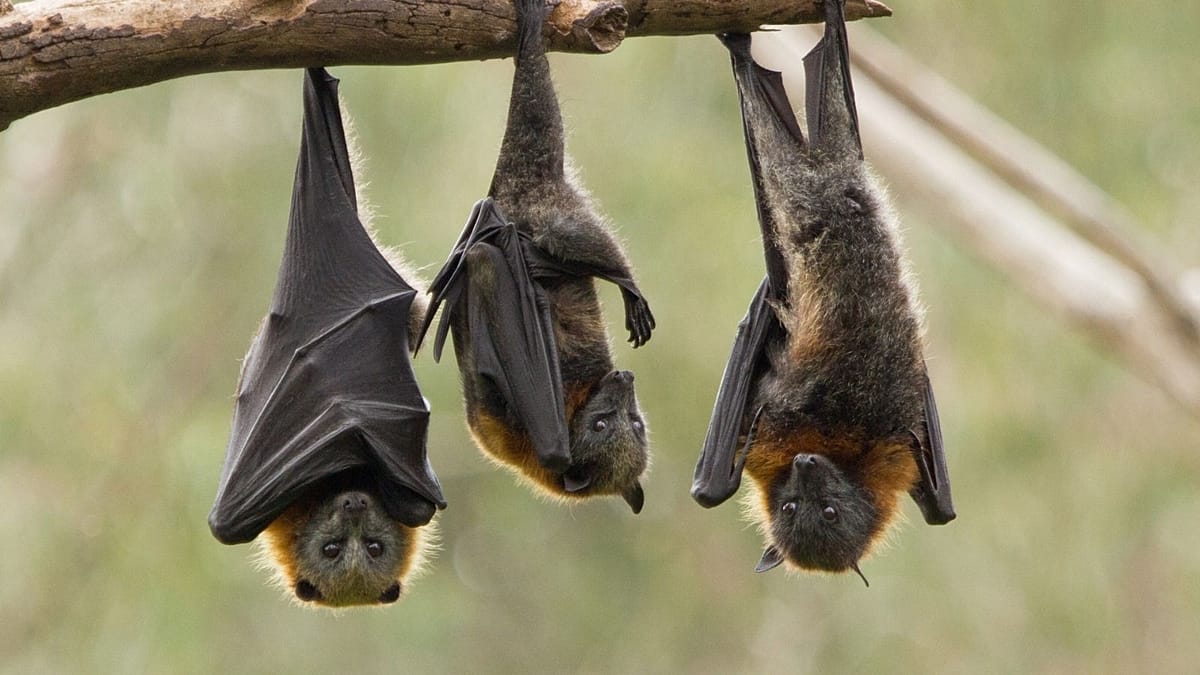
Marburg virus, first identified in 1967 after simultaneous outbreaks in Marburg and Frankfurt, Germany, and in Belgrade, Serbia, is transmitted to humans from fruit bats. The Python Cave has been linked to at least one fatal case: a Dutch woman who contracted the virus after visiting the cave in 2008. Since then, outbreaks and sporadic cases have been reported in Angola, the Democratic Republic of the Congo, Equatorial Guinea, Ghana, Guinea, Kenya, South Africa, Tanzania, and Uganda.
The study's authors noted that the footage offers a “rare ecological lens” into a real-world spillover setting. “This represents a significant opportunity for human exposure at this known Marburg-virus bat reservoir,” they wrote. While the observations do not provide virological evidence of transmission, they document a structured, repeated, and multi-trophic interface unfolding at a known viral hotspot.
Spillover models suggest that viruses can jump hosts through direct contact with the reservoir, indirect contact via intermediate hosts, or environmental pathways such as contaminated fluids or surfaces. The Python Cave footage confirms that all these pathways are plausible at this site.
Human Behaviour and Policy Gaps
The Uganda Wildlife Authority has established an observation station at a safe distance from the cave to minimise human exposure. Park rules require visitors to remain at least 30 metres from the cave mouth. Yet the cameras captured many individuals approaching the entrance, with only one person wearing a mask.
“This is particularly concerning during bat birthing pulses, when viral shedding risk is elevated,” the authors emphasised. The findings challenge the assumption that spillover interfaces are hidden, rare, or inaccessible. Instead, they suggest that human behaviour—whether through tourism, research, or education—can create repeated opportunities for exposure.
The study underscores the difficulty of enforcing public health measures in natural settings, even when the risks are well documented. It also raises questions about how European and international health authorities can support local efforts to monitor and mitigate spillover risks, especially as global travel and tourism continue to expand.
Marburg virus disease often begins with high fever, severe headache, and muscle aches, followed by diarrhoea, abdominal pain, nausea, and vomiting. In fatal cases, death typically occurs eight to nine days after symptom onset, preceded by severe blood loss and shock. Currently, no approved vaccines or treatments exist.
For European readers, the story carries particular resonance. The virus was first identified in German and Serbian laboratories, and European travellers have been among those infected. As the continent grapples with broader questions about pandemic preparedness and global health security, studies like this one highlight the importance of understanding zoonotic disease dynamics at their source.
In related developments, European policymakers are debating how to strengthen health surveillance systems across the continent. The housing crisis and other social pressures have dominated recent EU debates, but the Marburg study serves as a reminder that health threats often emerge far from Europe's borders. Meanwhile, discussions about 'Made in Europe' rules and supply chain resilience could also influence how quickly new diagnostics or treatments reach affected regions.
The researchers concluded that their work provides a foundation for more targeted interventions, such as better signage, improved visitor education, and possibly restricting access during bat birthing seasons. For now, the cameras continue to roll, offering an unprecedented window into a world where human and animal health intersect.