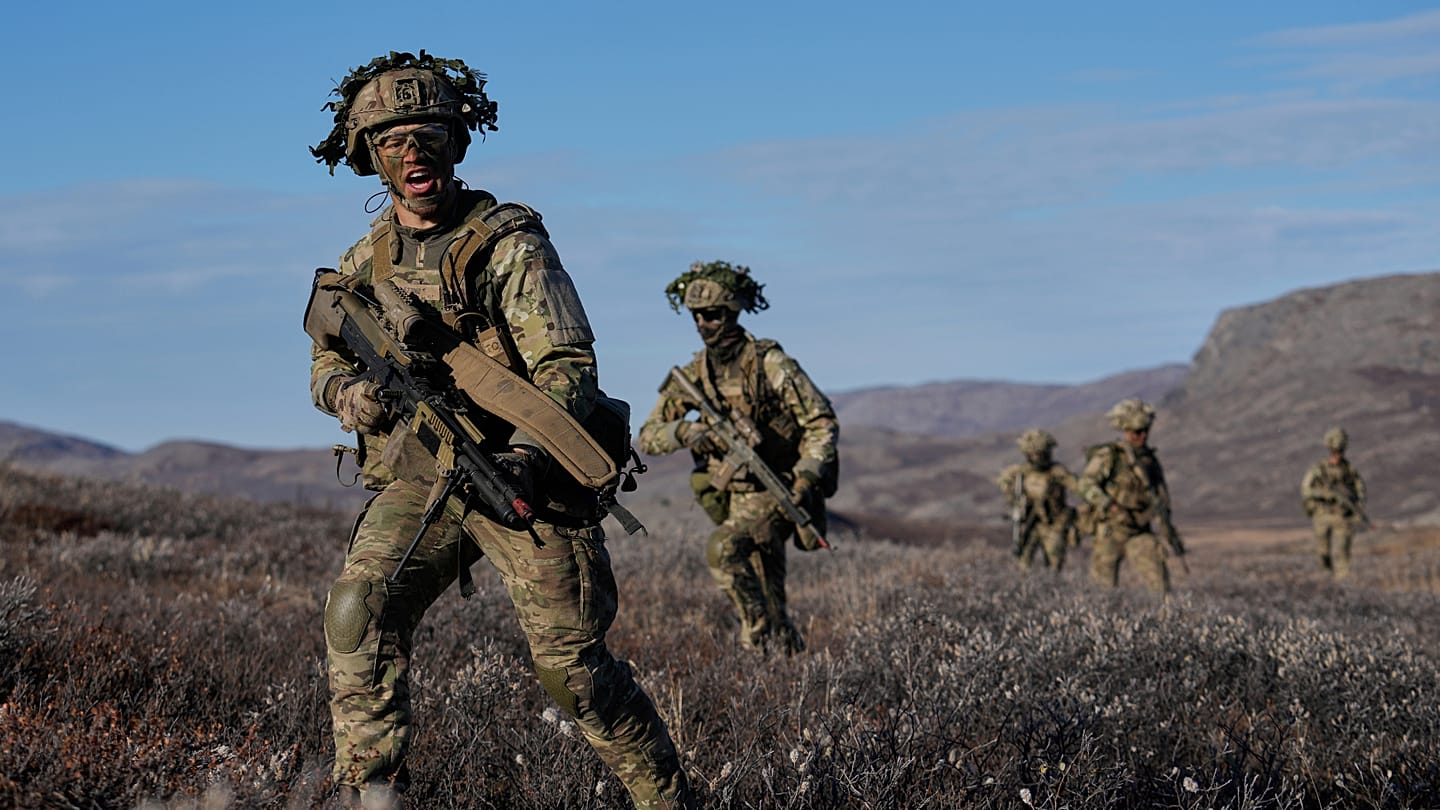
For years, many European capitals treated military spending as an afterthought, content to rely on the American security umbrella. That era is over. Russia's full-scale invasion of Ukraine in 2022, combined with growing uncertainty about Washington's long-term commitment to NATO, has forced a historic pivot. From Berlin to Warsaw, from Paris to London, defence budgets are being rewritten upwards, often by double-digit percentages. This isn't just a political shift—it's reshaping entire industries.
1. Aerospace and Advanced Manufacturing
The most visible beneficiaries are the continent's aerospace giants. Airbus, Dassault Aviation, and BAE Systems are seeing order books swell as nations rush to modernise ageing fleets. Germany's decision to buy 35 Lockheed Martin F-35s, alongside its own Eurofighter Typhoon upgrades, illustrates a broader trend: governments are willing to pay a premium for cutting-edge hardware. But the boom isn't limited to fighter jets. Naval shipyards in Italy (Fincantieri), France (Naval Group), and the UK (Babcock) are working overtime on new frigates and submarines. The European Defence Fund, now worth roughly €8 billion for 2021–2027, is accelerating cross-border collaboration on everything from next-generation tanks to drone swarms.
2. Cybersecurity and Artificial Intelligence
As defence becomes more digital, so does the threat landscape. European governments are pouring money into protecting critical infrastructure—power grids, communication networks, and financial systems—from state-sponsored attacks. Estonia, a pioneer in e-governance, has become a hub for cyber defence startups. Meanwhile, Airbus and BMW have partnered with French AI startup Mistral to develop AI systems for defence and safety, a sign that traditional industrial players are seeking agile tech partners. The market for military AI in Europe is projected to grow by over 20% annually through 2030, with applications ranging from autonomous surveillance drones to predictive maintenance for vehicles.
3. Energy and Dual-Use Infrastructure
Military readiness increasingly depends on energy resilience. The war in Ukraine exposed how vulnerable European bases are to disruptions in gas and electricity supply. In response, defence ministries are investing in microgrids, battery storage, and renewable energy sources for their installations. This overlaps with civilian infrastructure: the same technologies that keep a tank brigade operational can also power a hospital during a blackout. Italy has even proposed redirecting some EU defence loans to help households and businesses cope with soaring energy prices, blurring the line between military and civilian spending. Expect more such dual-use projects as governments seek to stretch their budgets.
4. Logistics and Transport
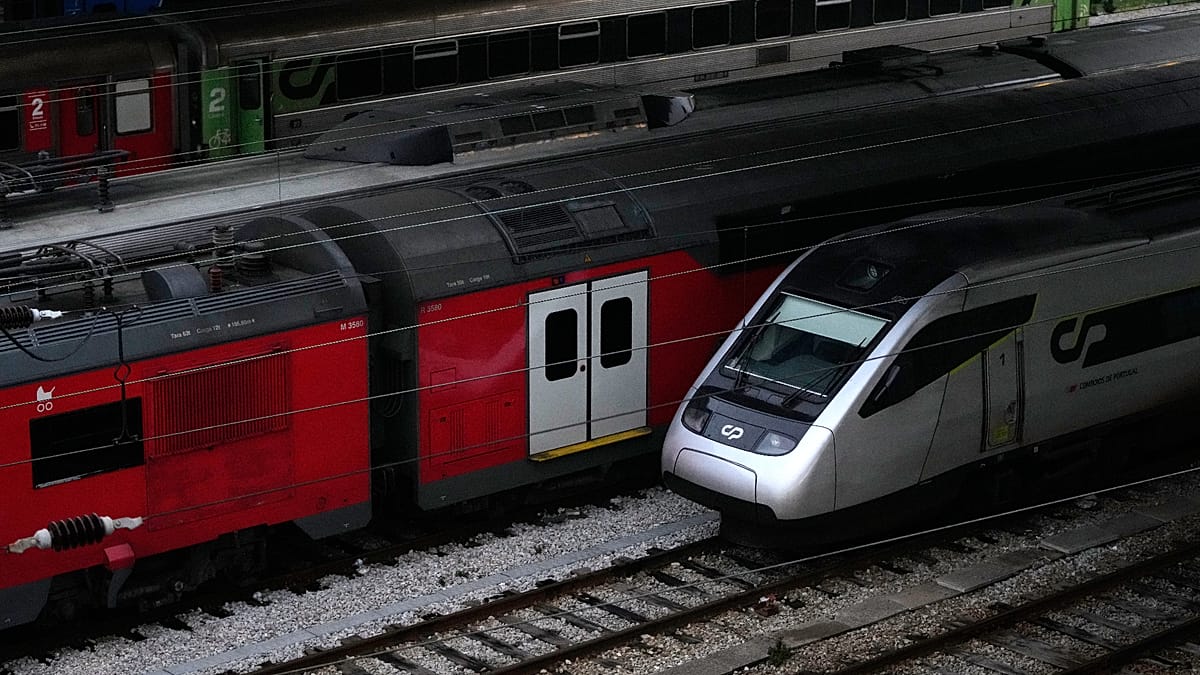
Moving troops and equipment quickly across the continent has become a strategic priority. NATO's new regional defence plans require rapid reinforcement of the eastern flank, from the Baltics to the Black Sea. This is a boon for logistics firms, railway operators, and heavy truck manufacturers. The EU's Permanent Structured Cooperation (PESCO) projects include a military mobility initiative aimed at cutting red tape for cross-border troop movements. In practice, that means upgrades to rail lines in Poland, new bridges in Romania, and expanded port facilities in the Netherlands. Companies like Deutsche Bahn's logistics arm and French rail giant Alstom are positioning themselves to win contracts for moving armoured vehicles and ammunition.
5. Defence Technology and Startups
Perhaps the most surprising shift is the influx of venture capital into defence tech. For decades, European investors shunned the sector, viewing it as slow, bureaucratic, and ethically fraught. That's changing. Startups developing drone countermeasures, encrypted communications, and battlefield medical tech are attracting serious funding. The European Commission's European Innovation Council has launched a dedicated defence accelerator. In the UK, the Defence and Security Accelerator (DASA) funds small firms with novel ideas. One notable example: a Swedish startup that builds portable radar systems for detecting low-flying drones has seen its valuation triple in two years. The message is clear: defence is no longer a dirty word in European tech circles.
This spending boom is not without risks. Critics warn of a new arms race, and some governments are struggling to find enough skilled workers to fill the new roles. But for now, the money is flowing, and a wide range of industries are cashing in. Whether this marks a permanent shift or a temporary spike depends on the security landscape in the years ahead. What is certain is that Europe's defence industrial base is being rebuilt from the ground up.