For years, public health authorities across Europe have urged citizens to eat at least five portions of fruits and vegetables daily. But new research suggests that when it comes to protecting the heart, the specific choices on your plate may matter more than the total quantity.
Flavanols — a group of natural antioxidants found in plants — have long been linked to cardiovascular benefits. Previous studies indicated that a daily intake of 500 milligrams could significantly lower the risk of dying from heart disease. Yet a recent analysis published in the journal Food and Function reveals that most people, even those who follow current dietary recommendations, fail to reach that threshold.
Researchers examined data from more than 30,000 participants in the United Kingdom and the United States. They found that among individuals who reported eating the recommended five portions of fruits and vegetables daily, fewer than one in four consumed at least 500 milligrams of flavanols per day. Strikingly, there was almost no difference in flavanol intake between those with high and low overall fruit and vegetable consumption.
“Flavanols can significantly reduce the risk of dying from cardiovascular disease, but only if you consume enough of them,” said Dr Javier Ottaviani, the study’s lead author. “Most people assume that eating plenty of fruit and vegetables covers this, but what this research shows is that the specific choices you make matter far more than the total amount.”
Which Foods Pack the Most Flavanols?
Flavanols are not evenly distributed across the produce aisle. The richest sources include berries, stone fruits, pome fruits like apples, and certain legumes. Tea and cocoa-derived products also contain high levels. According to the study, a handful of blackberries (200 grams) provides about 250 milligrams of flavanols, while a single cup of green tea (250 millilitres) offers 200 milligrams. Plums lead the list: 500 grams deliver 450 milligrams.
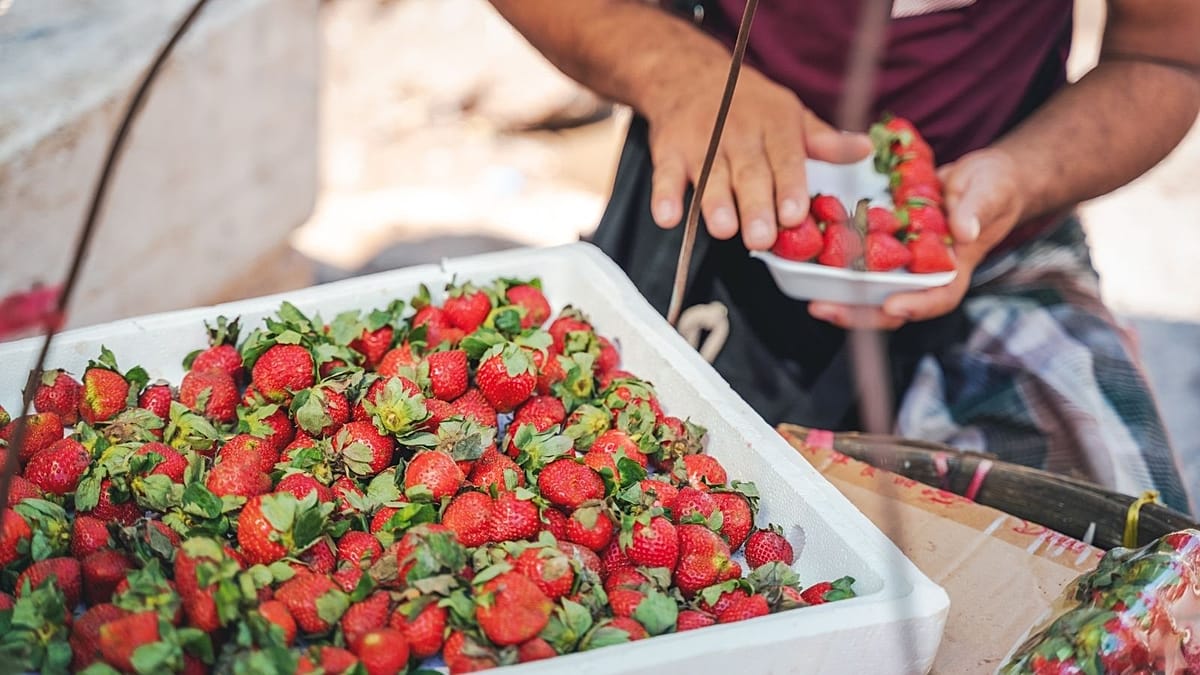
Other notable sources include cranberries (300 milligrams per 250 grams), broad beans or fava beans (140 milligrams per 80 grams), cherries (130 milligrams per 400 grams), and an apple with skin (110 milligrams per medium fruit). Strawberries, blueberries, and pinto beans provide smaller but still meaningful amounts.
“Including a handful of blackberries, a whole apple or having a cup of green tea alongside your meal could make a real difference to how much of these beneficial compounds you actually consume and absorb from the diet,” Ottaviani added.
The findings underscore a broader point: nutritional guidelines, while useful, may need refinement as science advances. Professor Gunter Kuhnle of the University of Reading, a co-author of the study, noted that “different fruits and vegetables offer very different nutritional benefits beyond vitamins and minerals, and as our understanding of these compounds grows, there is a real opportunity to make dietary guidance more specific and more effective.”
For European consumers, this research adds a layer of nuance to everyday food choices. Whether shopping at a market in Berlin, a supermarket in Milan, or a greengrocer in Lyon, prioritising flavanol-rich items could yield outsized health benefits. As heart disease remains the leading cause of death across the continent, small dietary adjustments — a cup of green tea instead of coffee, a bowl of berries for dessert — might prove a simple yet powerful strategy.