A sudden and violent cloudburst struck Florence on Thursday afternoon, dumping more than 45 millimetres of rain in a single hour and testing the city's historic buildings in ways that modern infrastructure often struggles to match.
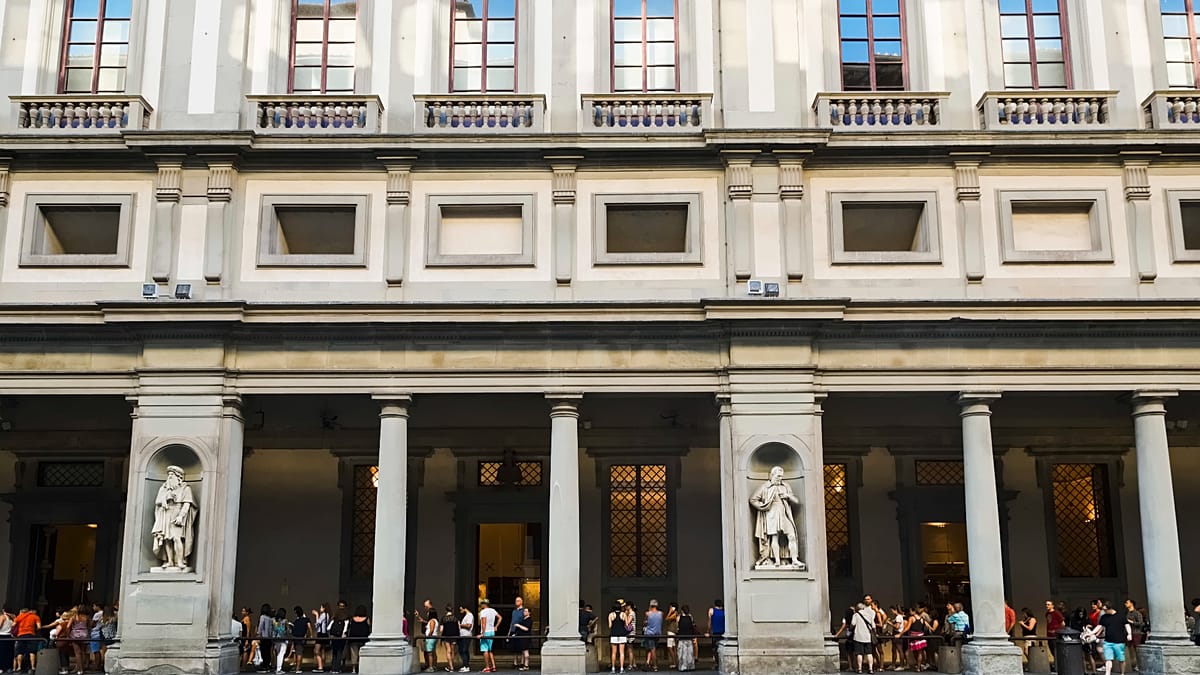
The downpour found its way into two of the city's most treasured cultural institutions: the Uffizi Gallery and the Renaissance-era Palazzo Pitti. At the Uffizi, water leaked beneath a skylight in the room that houses seven 17th-century paintings, including Caravaggio's Bacchus (1598).
According to a statement from the museum, the leak splashed the outer glass of the protective case containing the Caravaggio. Officials were quick to reassure the public: "No damage whatsoever has been found to any of the works. The room will be open to visitors as normal from opening time tomorrow morning."
Italian daily Corriere della Sera described the scene as visitors watched the image of Bacchus appear blurred, with long rivulets of water running down the protective glass. The incident is a reminder of the constant vigilance required to safeguard masterpieces in a city where climate change is making extreme weather more frequent.
Across the Arno, at Palazzo Pitti, the situation was more serious. The historic palace, whose construction began in 1446, saw water enter the Palatine Gallery and the Gallery of Modern Art. According to Silvia Barlacchi, a representative of the Cisl union, some exhibition areas were closed off while staff assessed the extent of the flooding.
It remains unclear how the rain penetrated the palace—whether through open windows or through aging fixtures that may no longer provide a perfect seal. The palace, which has served as the residence of the Medici and later the House of Savoy, is a complex of centuries-old stone, wood, and glass, and such incidents highlight the challenges of preserving heritage in an era of increasingly erratic weather.
A city on alert
Florence is no stranger to flooding. The catastrophic flood of 1966, when the Arno burst its banks and inundated the city with mud and water, remains a defining moment in the history of art conservation. Since then, early-warning systems and protective measures have been improved, but the sheer intensity of recent downpours—often concentrated in a single hour—can overwhelm even the best-prepared institutions.
Thursday's storm was part of a broader pattern of severe weather across central Italy this autumn. While no injuries were reported, the incident has reignited discussions about the need for more robust climate adaptation measures in historic buildings. The Uffizi and Palazzo Pitti are among the most visited museums in the world, and their collections are irreplaceable.
The Uffizi's rapid response—confirming the safety of the artworks and reopening the affected room the next morning—was praised by local officials. But the episode also serves as a warning that even the most iconic cultural sites are vulnerable to the forces of nature.
As Europe grapples with the effects of climate change, from wildfires in the south to floods in the north, the preservation of cultural heritage is becoming an increasingly urgent concern. The historic pageantry of Venice and the quiet luxury revival of the Lido are reminders of how much of the continent's identity is tied to its architectural and artistic treasures.
For now, Florence can breathe a sigh of relief. The Bacchus remains intact, and the galleries are expected to reopen fully once the clean-up is complete. But the storm has left a lingering question: how many more such tests can these centuries-old walls withstand?