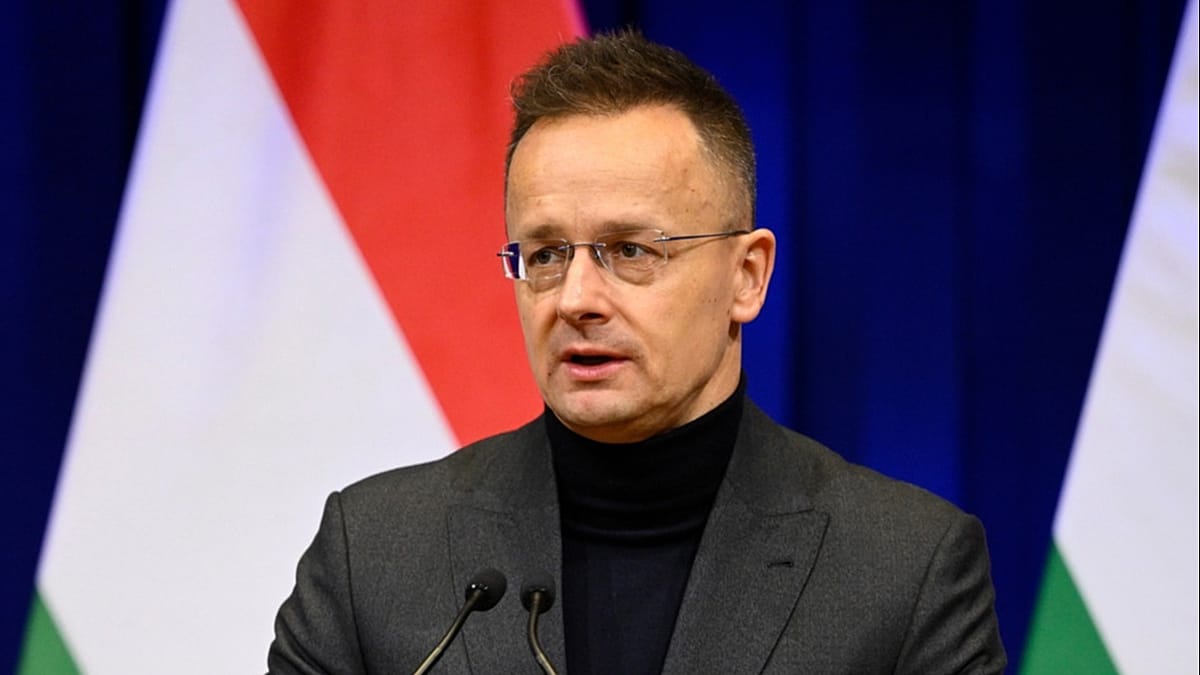
Péter Szijjártó, who served as Hungary's foreign minister for nearly twelve years under former Prime Minister Viktor Orbán, has resigned his parliamentary seat to take up an executive role at BYD, the Chinese electric vehicle manufacturer. Szijjártó announced the move on his Facebook page on Wednesday, describing it as a “highly prestigious offer” from the world's top electric carmaker.
“BYD is one of the greatest success stories in the automotive industry over the past 20 years,” Szijjártó wrote. “Starting today, I will continue to work as the executive responsible for the group’s external relations and the development of new business lines.”
Szijjártó lost his ministerial post after opposition leader Péter Magyar defeated Orbán's Fidesz party in a landslide election in April. Since then, he had been largely absent from parliamentary votes and public appearances, though he had held a seat in the legislature since 2002.
A Bridge Between Budapest and Beijing
Szijjártó's new position is the latest chapter in a deepening economic partnership between Hungary and China. In 2023, while still foreign minister, he announced that BYD would open its first European factory in Hungary—a move that allowed the conglomerate to bypass European Union import tariffs on Chinese electric vehicles. At the time, Szijjártó called the project “one of the largest investments in Hungarian economic history” and confirmed that the government would provide financial incentives to secure the plant.
The decision came after 224 rounds of negotiations between BYD and Hungarian officials, Szijjártó said. The factory is part of a broader pattern: under Orbán and Szijjártó, Hungary has welcomed a series of Chinese EV battery manufacturing plants and jointly developed a rail corridor between Budapest and Belgrade as part of China's “Belt and Road” initiative.
While in office, Szijjártó and Orbán consistently opposed EU tariffs on Chinese products, arguing that protectionist measures would harm Hungary's export-driven economy. Their stance put Budapest at odds with Brussels, which has grown increasingly concerned about Chinese overcapacity in sectors like electric vehicles and steel.
EU-China Trade Tensions
Szijjártó's move comes at a delicate moment for EU-China trade relations. The bloc's trade deficit with China has reached a record €1 billion per day, and Brussels has made engagement with Beijing a top priority. At the end of June, the European Commission set an October deadline to reach a negotiated solution on tariffs through dialogue with China.
However, that timeline has been met with skepticism. Bernd Lange, a German MEP and chair of the European Parliament's trade committee, said the October deadline was “not realistic at all” if the EU wanted a binding agreement. The tension reflects a broader divide within Europe: some member states, particularly those with strong export industries like Germany, favor continued engagement with China, while others push for tougher measures to protect European industry.
Szijjártó's appointment at BYD is likely to intensify scrutiny of Hungary's close ties with Beijing. Critics argue that Budapest has become a gateway for Chinese investment into the EU, often at the expense of European regulatory standards and strategic autonomy. Supporters counter that such investments bring jobs and economic growth to a region that has long struggled with industrial decline.
For now, Szijjártó's career shift from diplomat to corporate executive underscores the blurring lines between politics and business in Hungary's relationship with China. Whether his new role will influence BYD's strategy in Europe—or further complicate EU-China trade talks—remains to be seen.