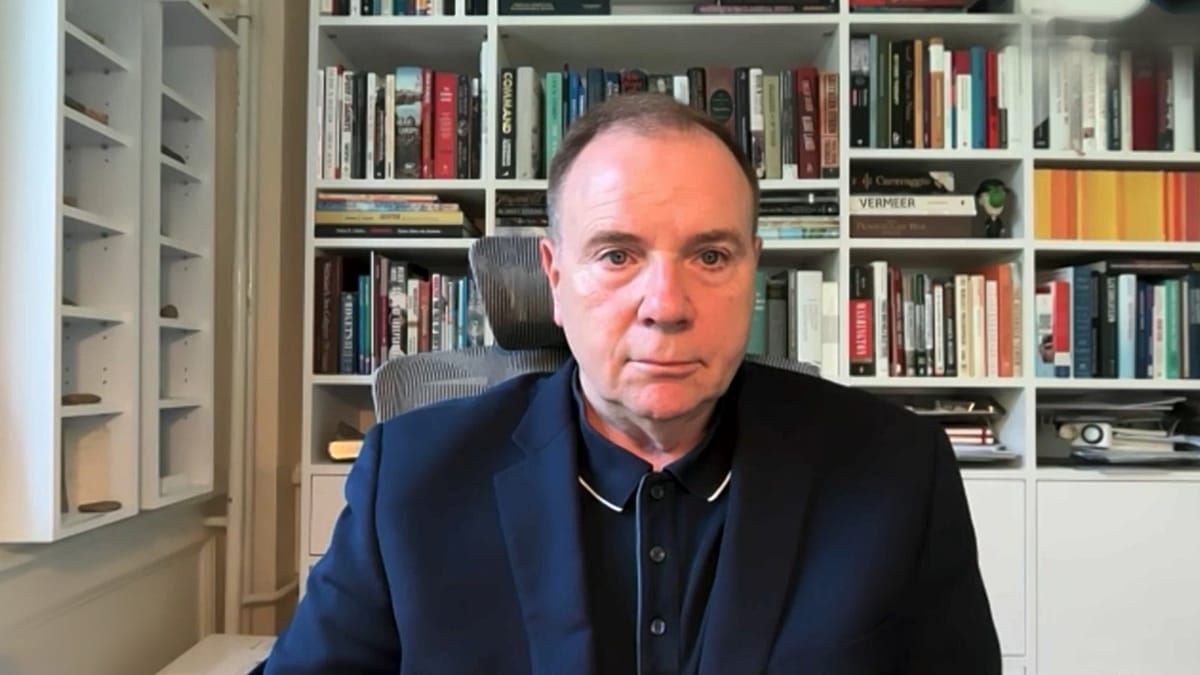
Retired US General Ben Hodges has cast serious doubt on the durability of the interim agreement between Washington and Tehran, arguing that the deal is widely seen as fragile outside the Trump administration. In an interview, Hodges described the current situation as "much worse" than it was four months ago, pointing to the exclusion of Israel and Lebanon from the accord as a critical flaw.
Hodges, who previously commanded US Army forces in Europe, noted that the potential for Israel and Hezbollah to "resume fighting is really high". He stressed that the deal, which aims to end hostilities and reopen the Strait of Hormuz, does not address the underlying dynamics between Israel and the Iranian-backed militia in Lebanon. This omission, he argued, leaves a dangerous vacuum that could escalate into a broader regional conflict.
European Security Implications
For European capitals, the fragility of the US-Iran deal is a matter of direct concern. The European Union has long sought a comprehensive diplomatic solution that includes all parties, but the current framework appears to sideline key actors. Brussels, Paris, and Berlin have all expressed cautious support for de-escalation, yet they remain wary of a repeat of the 2019-2020 tensions that saw oil tankers attacked in the Gulf and European troops caught in the crossfire.
Hodges' warning comes as European defense officials monitor the region closely. The potential for a renewed Israel-Hezbollah conflict would not only destabilize the Eastern Mediterranean but also risk drawing in European allies through UNIFIL missions in southern Lebanon or through broader NATO commitments. Italy, France, and Spain all contribute troops to the UN peacekeeping force, and any escalation could put their personnel in harm's way.
Meanwhile, the political landscape in Europe is already fraught. The recent G7 summit in Évian saw tensions between US President Donald Trump and Italian Prime Minister Giorgia Meloni, though they later patched up their rift. The summit was also marked by a surge in misinformation targeting European leaders, as reported by European Pulse. Such dynamics complicate the ability of European governments to present a unified front on Middle East policy.
A Deal Without Buy-In
Hodges' assessment underscores a broader skepticism among international observers. The interim agreement, signed by Trump and Iranian officials, was hailed by the White House as a breakthrough, but critics argue it lacks the necessary buy-in from key regional players. Israel has publicly opposed the deal, with Prime Minister Benjamin Netanyahu calling it a "historic mistake" that would embolden Iran. Hezbollah, for its part, has maintained a posture of readiness along the Lebanese border.
The exclusion of Lebanon from the negotiations is particularly problematic. The country is mired in a severe economic and political crisis, and Hezbollah's military capabilities remain a potent force. Any miscalculation could trigger a repeat of the 2006 war, which devastated Lebanese infrastructure and displaced hundreds of thousands. European humanitarian agencies, already stretched by the war in Ukraine and the migration crisis, would face an additional burden.
Hodges' comments also resonate with European defense analysts who have long warned that the US pivot to Asia and the Middle East leaves Europe exposed. The continent's reliance on energy imports from the Gulf, combined with its proximity to conflict zones, makes stability in the region a strategic priority. The reopening of the Strait of Hormuz, while economically beneficial, does not address the deeper security architecture needed to prevent future flare-ups.
As the Trump administration touts the deal's success, the reality on the ground suggests a more precarious situation. For European policymakers, the lesson is clear: they cannot rely solely on Washington's assurances. Instead, they must invest in their own diplomatic channels and military readiness to manage the fallout of a deal that, according to Hodges, few believe will last.