France has acknowledged that a small contingent of its military personnel has been present in Ukraine for several months, a deployment that has drawn sharp criticism from Moscow. The confirmation follows a report by Radio France Internationale (RFI) on Monday, which said French troops had been operating in the country since at least the summer, though it did not specify their numbers.
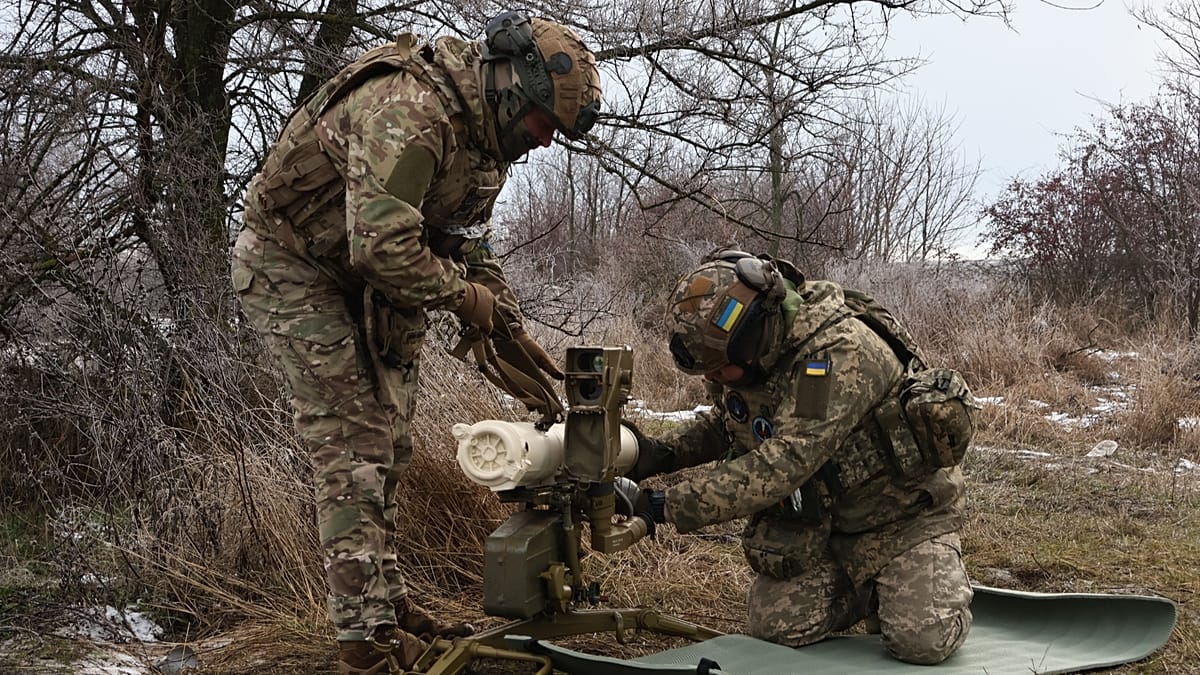
The mission, according to a source who spoke to the AFP news agency on condition of anonymity, is limited to training Ukrainian forces and helping maintain military equipment. The source stressed that the contingent has no combat role and that there is "absolutely no intention of engaging in coercive actions."
Russian Foreign Minister Sergei Lavrov responded on Tuesday, saying Moscow was aware of the French presence and had conveyed its concerns to Paris. "Not only French ones, we know this. We have conveyed our concern... this is no longer support for Ukraine, but direct participation in the war," Lavrov told reporters.
The French deployment is part of a broader European effort to bolster Ukraine's defence capabilities as the war enters its third year. While most training has taken place in France and Poland, the occasional presence of French trainers inside Ukraine has been an open secret among diplomats and military analysts. The source told AFP that "the rotation of French trainers supporting Ukraine in France, Poland, or occasionally in Ukraine is a reality."
European allies walk a fine line
The revelation comes at a delicate moment for European unity on Ukraine. Several EU member states, including Germany and Norway, have recently funded new Patriot missile systems for Kyiv, while the EU is preparing its 22nd sanctions package against Russia, targeting its winter campaign. Yet there is no consensus on deploying Western troops on Ukrainian soil, a step that would mark a significant escalation.
France has been one of the more vocal advocates for deeper military engagement, but President Emmanuel Macron has repeatedly ruled out sending combat troops. The presence of trainers, however, blurs that line. Moscow has long warned that any Western military presence in Ukraine would be seen as a provocation, and Lavrov's comments suggest the Kremlin is using this deployment to escalate its rhetoric.
The French mission is small and non-combat, but its symbolic weight is considerable. It signals that European countries are willing to take incremental risks to support Ukraine, even as they publicly deny any intention of entering the war directly. For Kyiv, such support is crucial, especially as it faces renewed Russian offensives and targeted attacks on its energy infrastructure.
Meanwhile, the political landscape in France is shifting. Marine Le Pen, leader of the far-right National Rally, has told Kyiv's envoy that France cannot keep funding Ukraine indefinitely, reflecting growing war fatigue among some European publics. The French government, however, insists that its support for Ukraine remains steadfast, and that the training mission is a necessary part of that commitment.
The deployment also raises questions about the limits of European involvement. While the EU has imposed unprecedented sanctions and provided billions in aid, the prospect of Western boots on the ground—even in a non-combat role—remains a red line for many member states. The Baltic states and Poland have been more hawkish, but others, like Germany, have been cautious.
For now, France appears willing to test those boundaries. The small contingent in Ukraine is a reminder that the war is not just a Ukrainian struggle, but a European one, with each nation weighing its own risks and responsibilities. As the conflict grinds on, the line between support and participation may become increasingly difficult to maintain.