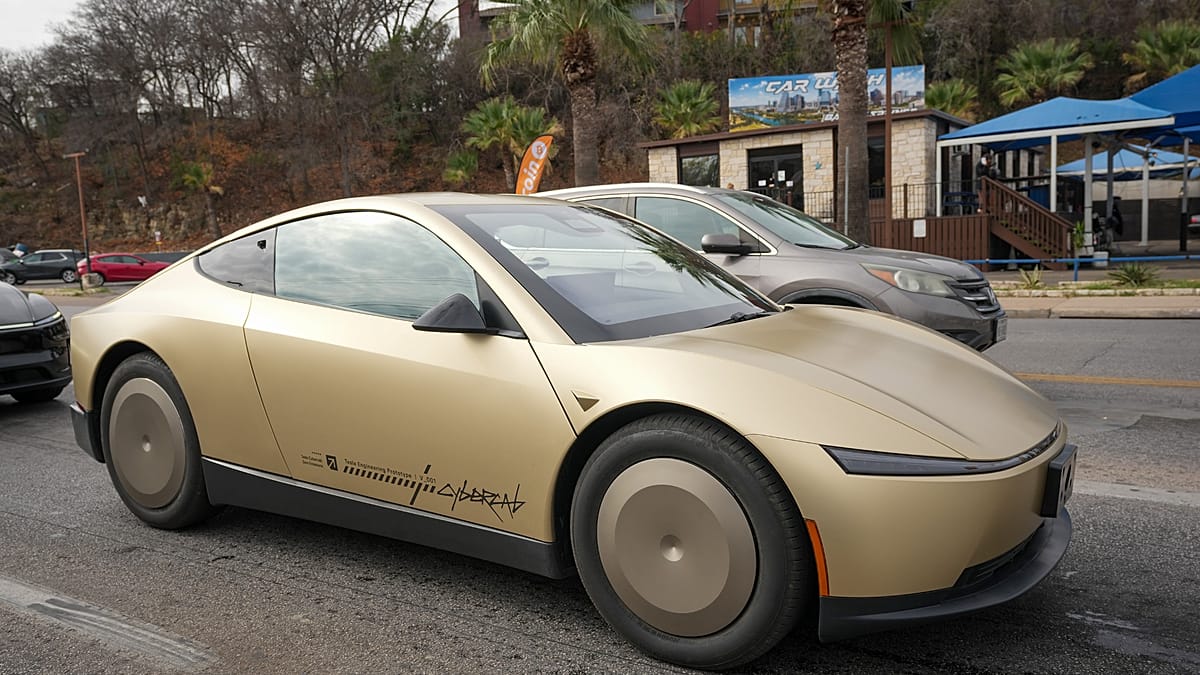
France is set to allow Tesla's autonomous driving technology on its roads for the first time, marking a notable reversal of its earlier stance. On Wednesday, Transport Minister Philippe Tabarot announced that the country would move forward with supervised trials of the Full Self-Driving (FSD) system, just two months after Paris expressed reservations about its safety.
The decision came after what Tabarot described as a "constructive exchange" with Tesla CEO Elon Musk. In a post on X, the minister said that with two vehicles being made available, France is "now entering a new phase: that of on-road trials." The announcement signals a shift in the government's position, which in July had indicated it was not prepared to authorize Tesla's fully automated, supervised driving system at that stage.
From caution to collaboration
The French government's initial reluctance was rooted in concerns over the technology's readiness and the potential risks it posed to public safety. However, the direct dialogue between Tabarot and Musk appears to have eased those worries, at least enough to permit a limited pilot program. The minister's language suggests a pragmatic approach, balancing innovation with oversight.
France's move aligns it with a growing number of European countries that have already opened their roads to Tesla's FSD Supervised system. Since the beginning of the year, five European nations have authorized the technology, including the United Kingdom, Germany, and others. This patchwork of approvals reflects the broader European debate over how to regulate autonomous vehicles, with each member state taking its own path.
London's robotaxi launch
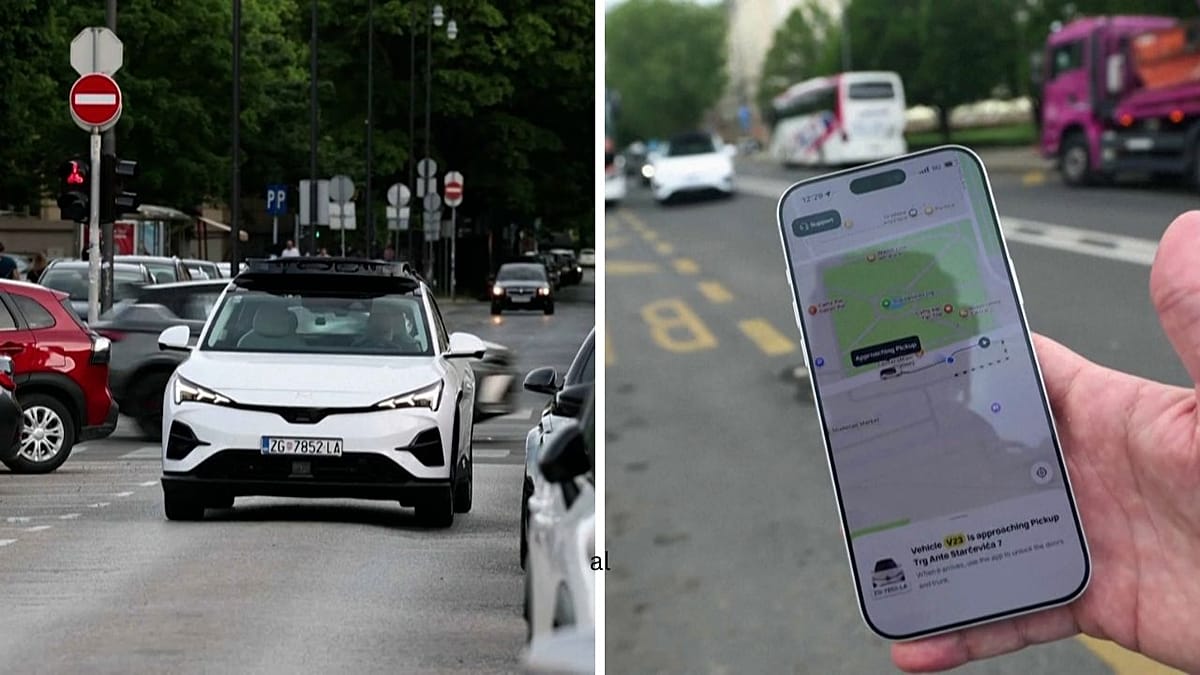
In a related development, the UK is taking a significant step forward. Ride-hailing giant Uber and British autonomous driving startup Wayve announced on Thursday the launch of a commercial robotaxi service in London. The initial fleet will consist of 15 vehicles, operating under human supervision while awaiting formal guidance from Transport for London (TfL).
Wayve, which has positioned itself as a leader in AI-driven mobility, plans to expand the service to Tokyo and then to ten other cities, again in partnership with Uber. The London rollout is seen as a test case for how autonomous vehicles can be integrated into dense urban environments across Europe.
The contrast between France's cautious approach and the UK's more aggressive push highlights the divergent strategies within Europe. While Paris has opted for a gradual, dialogue-driven process, London is moving quickly to establish itself as a hub for autonomous mobility. Both approaches, however, face similar challenges, including public acceptance, regulatory clarity, and the need to ensure safety.
For Tesla, the French trial represents a crucial foothold in a key European market. The company has faced regulatory hurdles across the continent, and its FSD technology has been under scrutiny following several incidents in the United States. The French pilot will provide valuable data on how the system performs in European road conditions, which differ significantly from those in North America.
The broader implications for Europe are significant. As autonomous driving technology matures, the continent must decide whether to adopt a unified regulatory framework or continue with a country-by-country approach. The European Commission has signaled its intention to propose common rules, but progress has been slow. In the meantime, national initiatives like France's trial and the UK's robotaxi service will shape the debate.
For now, the focus is on the technical and safety aspects of the trials. French authorities will monitor the two Tesla vehicles closely, and the results could influence future decisions on wider deployment. The minister's upbeat tone suggests that Paris is open to further collaboration, provided the technology proves itself on the road.
As Europe navigates this new frontier, the balance between innovation and caution will remain delicate. France's decision to test Tesla's self-driving system is a step forward, but it is also a reminder that the road to fully autonomous mobility is still under construction.