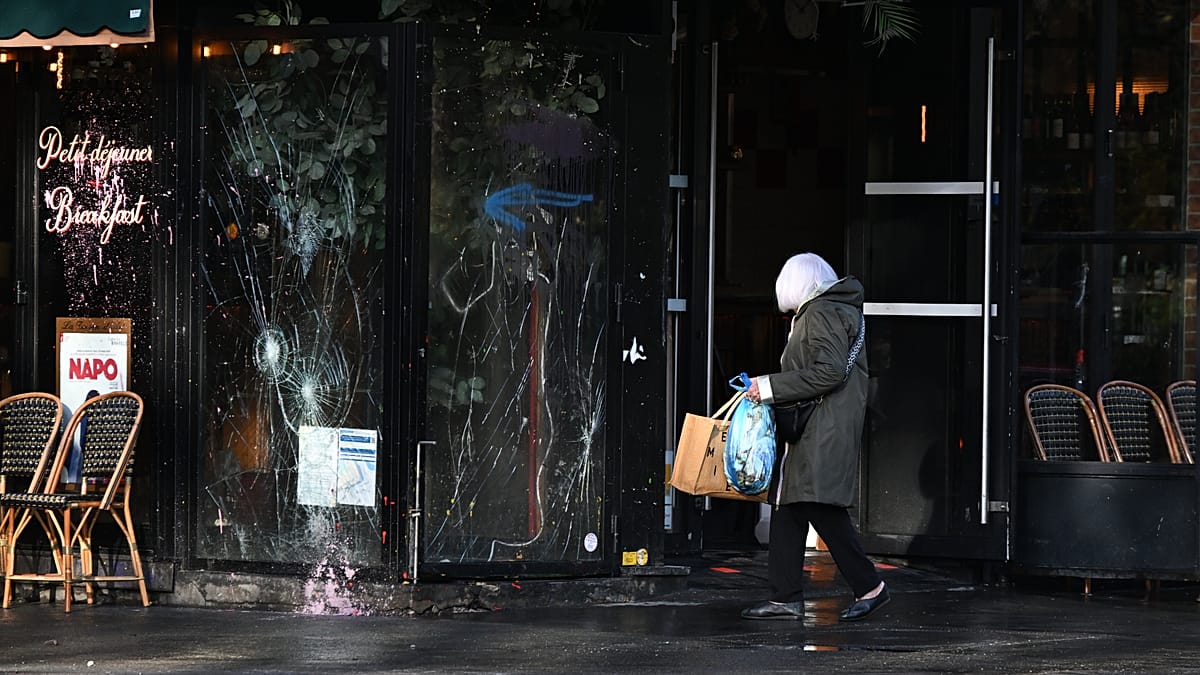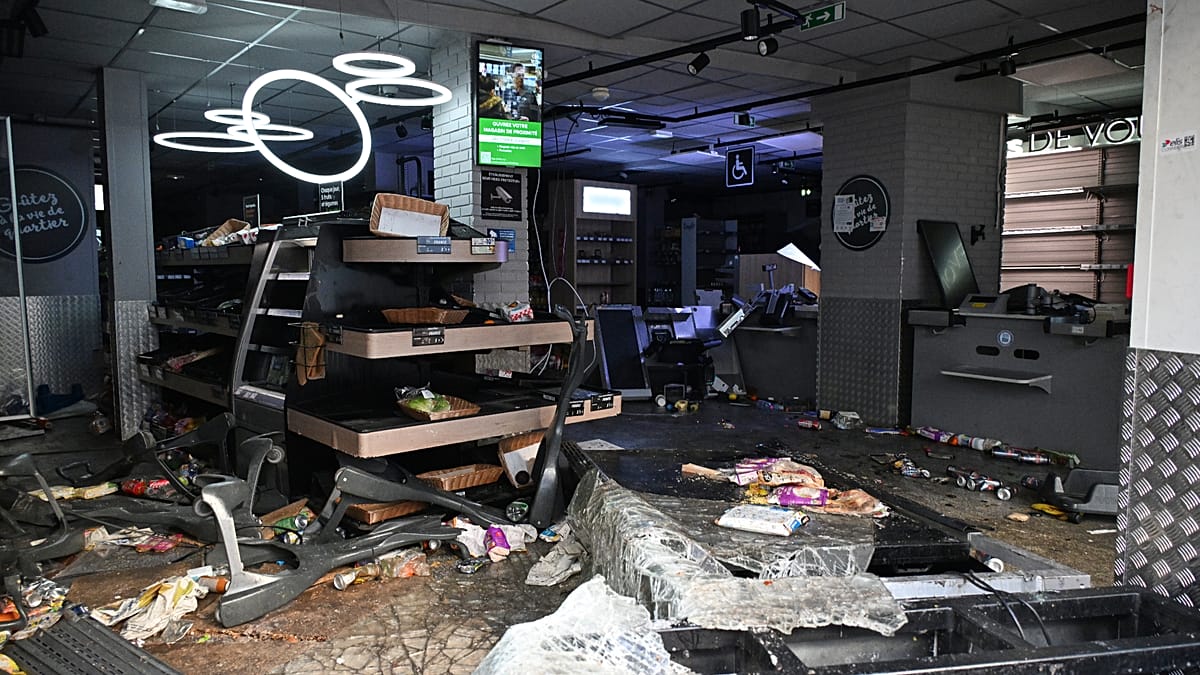
France is set to impose partial, localised curfews in several urban areas after a weekend of rioting and looting that left public buildings and shops damaged across the country. Prime Minister Sébastien Lecornu announced the move on Monday, following an emergency meeting with government officials in Paris.
Speaking to reporters, Lecornu said he had instructed local prefects to coordinate with mayors and business representatives to determine exactly where the restrictions would apply. The aim, he stressed, is to protect residents and businesses while avoiding the disruption of a blanket nationwide measure.
Targeted approach over state of emergency
Lecornu did not rule out declaring a state of emergency, but argued that targeted curfews are better suited to the current situation. "We won't let this continue," he said, adding that the government is determined to restore order without overreacting.
The announcement comes after a weekend of violence that saw shops looted, vehicles torched, and public buildings vandalised in cities including Paris, Lyon, and Marseille. In Limoges, the historic town hall was severely damaged, a blow to local pride and a symbol of the unrest's reach.
The unrest has also had economic repercussions, with European markets dipping as investors worry about the impact on French businesses and bonds. Shopkeepers are counting the cost of the looting wave, with many facing weeks of repairs and lost revenue.
The political fallout is intensifying, with opposition parties accusing the government of losing control. A minister has conceded that police were overwhelmed in some areas, and looters have boasted online about their actions, adding to the sense of impunity.
Parisians are surveying the wreckage after protests that began over costs and schools, but quickly spiralled into broader anger. The violence has also reignited debates about migration and social cohesion, with some politicians linking the riots to immigration, a stance that has drawn both support and criticism.
As France reels, the government is walking a tightrope between firmness and flexibility. Local curfews, if carefully implemented, could reassure communities without inflaming tensions further. But the risk of escalation remains, and the coming days will test whether the targeted approach can hold.
For now, the message from Paris is clear: order will be restored, but through measured, local responses rather than a heavy-handed national crackdown. Whether that will be enough to quell the unrest remains to be seen.