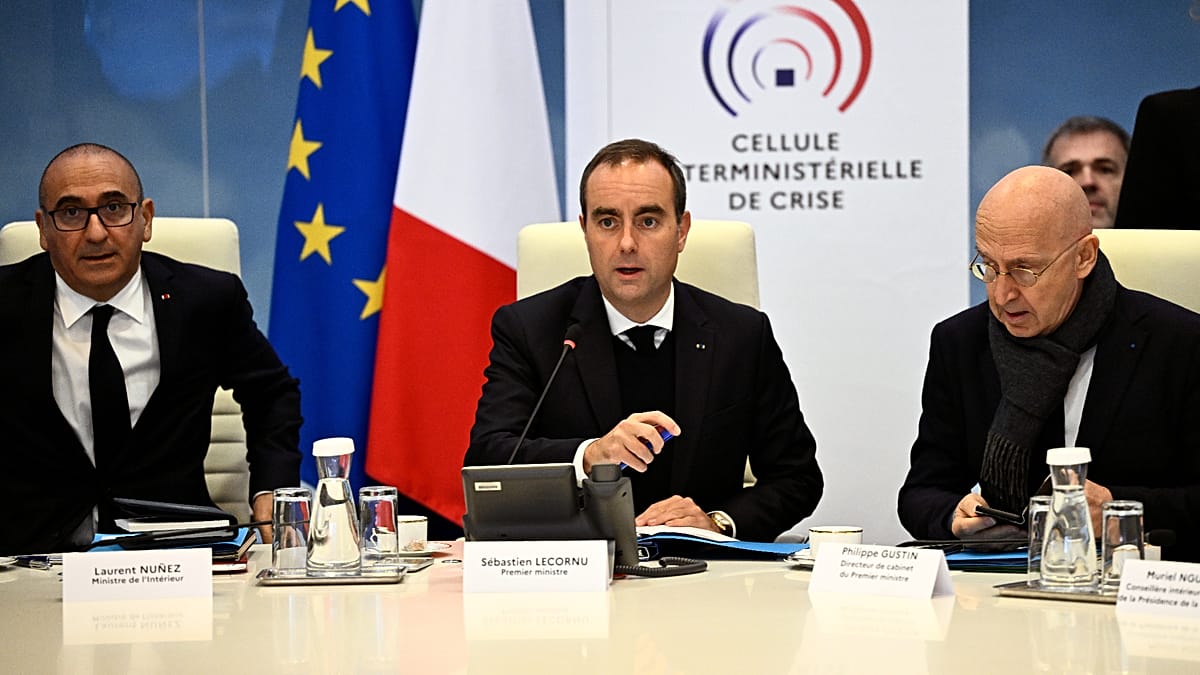
French Prime Minister Sébastien Lecornu announced on Monday that he had directed regional authorities to implement "localised and partial" curfews to prevent further riots and looting following a weekend of violence that swept across the country. The specific areas subject to the curfews are expected to be disclosed later on Monday.
Speaking after a meeting of the government's crisis response team, Lecornu stressed the gravity of the situation: "On Saturday, despite scenes of extreme violence and major material damage, no one was killed, and that is a miracle." He also defended the work of police officers who had confronted groups of rioters, acknowledging the immense pressure they faced.
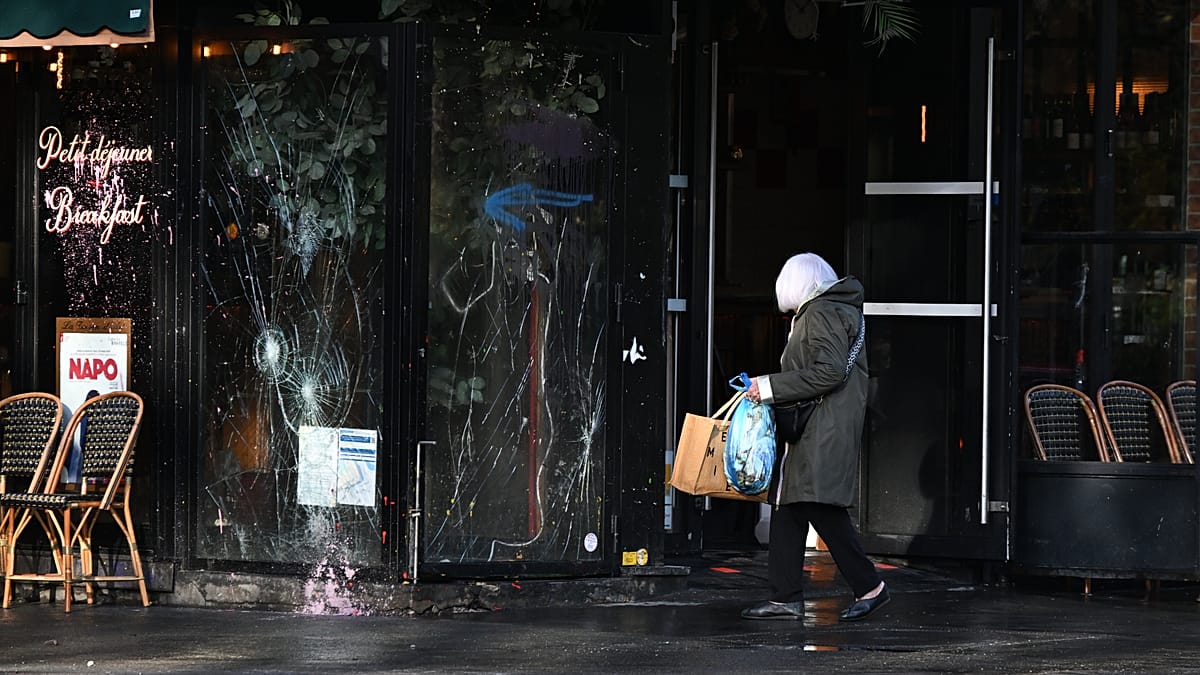
The unrest, which began as cost-of-living protests, escalated dramatically on Saturday, with clashes between demonstrators and law enforcement reported in multiple cities. By Sunday, sporadic violence continued in several areas, including Paris, Lyon, and Marseille, where groups set fire to bins, bicycles, and other objects, and looted shops. The scale of the destruction has prompted comparisons to the gilets jaunes protests of 2018, though the current wave has been marked by even more widespread looting.
Political fallout and security response
President Emmanuel Macron has refused to accept the resignation of Interior Minister Laurent Nuñez, citing "the need to ensure the continuity of the command of the security forces given the current situation," according to a statement from the Élysée. Instead, Macron has tasked Nuñez with "taking all necessary measures to guarantee full transparency on the failures in planning and intelligence that led to this violence." The president has also called for the introduction of "new policing tactics on the ground."
Nuñez, who had earlier admitted that police had "lost control" of the situation in some cities, announced on Monday that "a number of measures to contain and prevent looters and vandals from acting" would be introduced "from this Monday evening." He added that the number of police and gendarme forces on the ground would be further bolstered going into the weekend.
The interior minister's candid admission has raised questions about the preparedness of French security forces. Critics argue that intelligence failures allowed the violence to spiral, while others point to deep-seated social grievances that have fuelled the protests. The government's response, including the curfews, is seen as an attempt to regain control while addressing the underlying anger.
The unrest has also had economic repercussions, with European markets dipping as French businesses and bonds feel the strain. Shopkeepers across the country are counting their losses after the looting wave, with many expressing frustration at the lack of protection. In some areas, shopkeepers have fought back, forming neighbourhood watch groups to defend their properties.
The violence has also drawn political reactions beyond France. Hungarian Prime Minister Viktor Orbán's ally, Péter Magyar, has tied the riots to migration, defending a hardline stance that has been criticised by human rights groups. Meanwhile, in Albania, Prime Minister Edi Rama is facing similar unrest, though he has defied calls to resign as Tirana enters its sixth day of demonstrations.
As France braces for the possibility of further violence, the government's curfew measures will be closely watched. The challenge for Lecornu and Macron is to restore order without alienating a population already struggling with rising costs. The coming days will test whether the security crackdown can prevent a repeat of Saturday's chaos, and whether the political fallout can be contained.