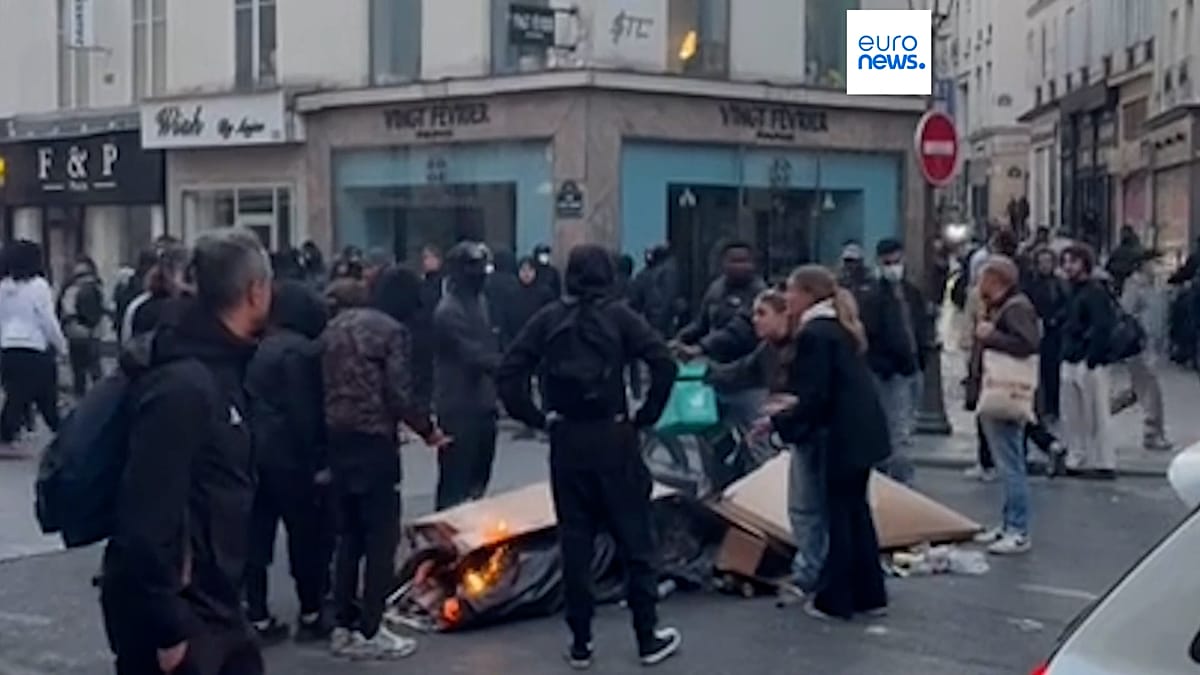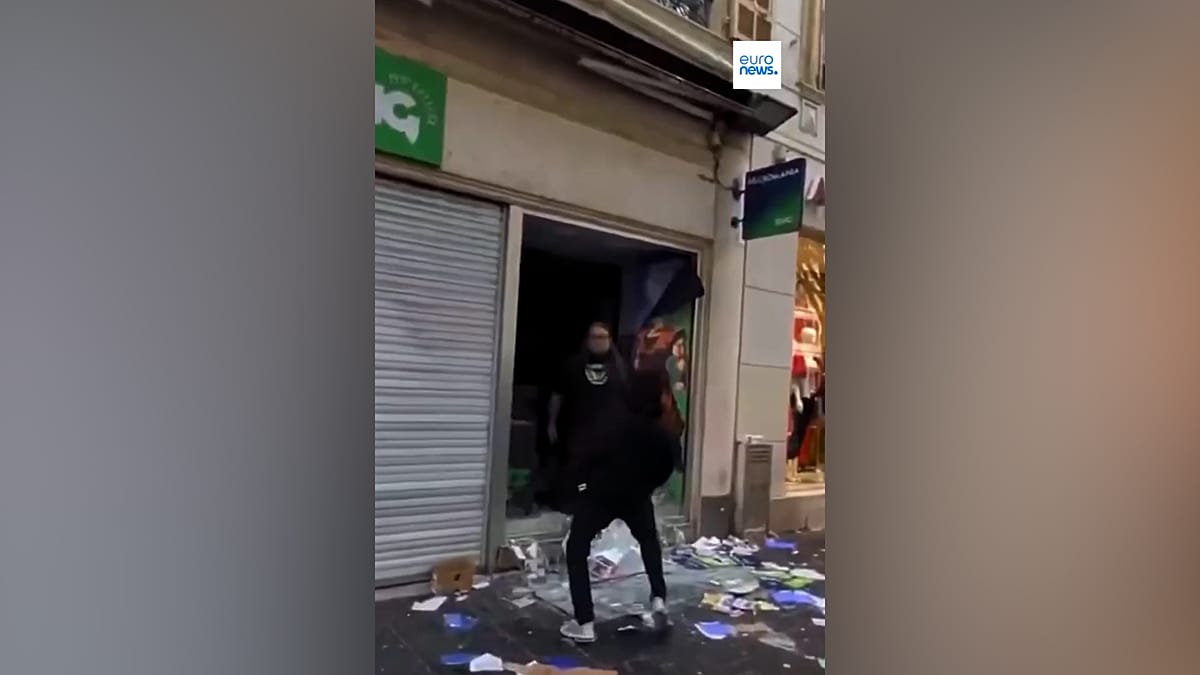
As riots swept through French city centres on Saturday, a less visible battle was unfolding on the ground: shopkeepers, many of them small business owners, stood their ground against gangs of masked looters. In Lyon, Marseille, and Paris, footage showed owners pleading with intruders to leave, some physically blocking doorways, others shoving back as the confrontations escalated.
The scenes were a stark reminder that behind the political turmoil and street clashes, it is often local traders who bear the brunt of the violence. Many had spent years building their businesses, only to watch them ransacked in a matter of minutes. One bakery owner in the 11th arrondissement of Paris, who asked not to be named, described the moment looters smashed through his window: “They didn't even look at me. They just grabbed everything and ran. I felt helpless.”
A wave of destruction
The unrest, which began as a protest over rising living costs and pension reforms, has spiralled into broader civil disobedience. In Limoges, the historic town hall was gutted by fire, a symbol of the state's authority reduced to ashes. The destruction in Limoges has become a rallying point for both protesters and those condemning the violence.
In Marseille, demonstrators stormed the town hall, while in Paris, journalists from Euronews were attacked by masked looters, highlighting the risks faced by media covering the chaos. The attack on journalists has drawn widespread condemnation, with press freedom groups calling for better protection for reporters.
For shopkeepers, the immediate concern is survival. Many have no insurance coverage for riot damage, and even those who do face lengthy claims processes. The French government has promised compensation, but traders remain sceptical. “We need to reopen quickly, but we also need security,” said a hardware store owner in Lyon, whose premises were stripped of tools and equipment. “If this happens again, we won't survive.”
Political fallout
The riots have also reignited debates over immigration and policing. Hungarian Prime Minister Viktor Orbán has linked the unrest to migration, a claim that has been met with criticism from French officials. The Hungarian leader's remarks underscore the wider European dimension of the crisis, as other nations watch closely.
Meanwhile, French business associations are calling for urgent measures to protect commercial districts. They have proposed increased police presence, better CCTV coverage, and faster compensation mechanisms. The government has announced additional security forces, but many shopkeepers argue that more is needed.
As the clean-up begins, the emotional toll is evident. In several cities, owners were seen sitting among the debris, tears streaming down their faces. The losses are being counted, but the psychological impact may last longer.
The riots have also cast a shadow over France's cultural sector, with the film industry warning that budget cuts could threaten hundreds of productions. The cinema warning adds to the sense of a nation in turmoil, struggling to balance public order with creative expression.
For now, shopkeepers are left to pick up the pieces. Many are determined to rebuild, but the scars of Saturday's violence will not heal quickly. As one café owner in Paris put it: “We are not just selling goods; we are the heart of our neighbourhoods. When they attack us, they attack the community.”