Spain has quietly changed the way its navy patrols the waters off the North African enclaves of Ceuta and Melilla, shifting from passive surveillance to active interception of Moroccan vessels invoking the legal right of innocent passage. The move, confirmed by military sources quoted in the Spanish daily El Mundo, marks a notable hardening of Madrid's posture in a maritime zone that has become a flashpoint in bilateral relations.
The concept of innocent passage, enshrined in the United Nations Convention on the Law of the Sea, allows foreign ships to transit through a coastal state's territorial waters as long as they do not threaten peace, good order, or security. Morocco has repeatedly cited this principle to justify the presence of its vessels near the enclaves, most notably on 30 July, when a Moroccan warship entered Spanish waters during a mass influx of migrants at the Ceuta border. Until that day, Spain's Maritime Action Operations and Surveillance Centre (COVAM) had monitored such movements without intervening. Now, patrol vessels are being dispatched to meet Moroccan ships head-on.
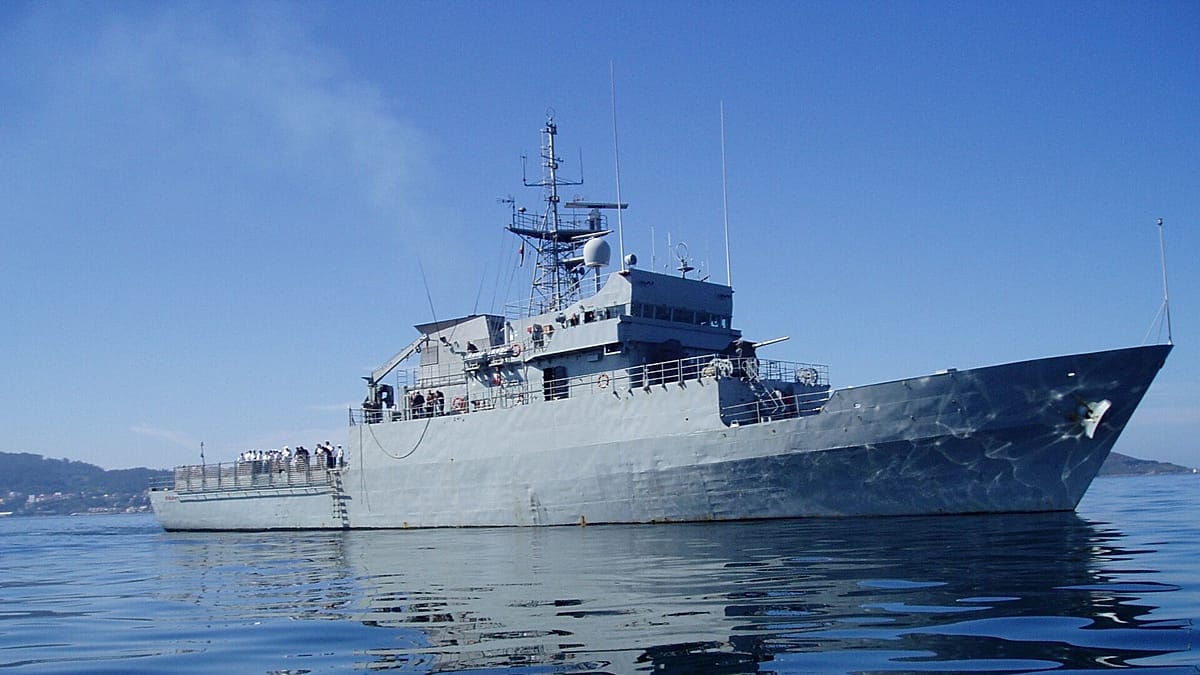
“We are more alert; we no longer wait for them to enter before we act,” a military source told El Mundo. That change in mindset is reflected in the deployment of two patrol vessels: the Atalaya, a 48-crew ship armed with four machine guns and a cannon, based in Ferrol, has been sent to Ceuta; the smaller Isla de León, with a crew of ten and a Browning machine gun, is operating off Melilla and also covers the waters around Perejil Island. The Isla de León is currently focused on Melilla because of what Spanish officials describe as a Moroccan offensive.
From monitoring to deterrence
The shift is not about detection capability, which was already in place, but about adding an active response. Spanish ships now shadow Moroccan vessels, using the patrols as a tool for surveillance and deterrence. The key, according to El Mundo, is to distinguish between legitimate innocent passage under international law and conduct that could threaten Ceuta's sovereignty or security.
The incident that triggered the change occurred on 30 July, when the Moroccan warship Mohammed VI entered Spanish waters during the chaotic border breach at Ceuta. El País reported on 12 October that the Defence Ministry was forced to send two additional patrol vessels from Rota, and the Chief of the Defence Staff contacted his Moroccan counterpart to demand an end to the incursion. Since then, the frequency of Moroccan-flagged vessels in the area has decreased, and according to Spain's Interior Ministry, the Civil Guard, and the Navy, no innocent passage was recorded during the recent royal visit to the enclaves or in the days that followed.
The change in protocol comes amid broader tensions between Madrid and Rabat over migration and territorial claims. Spain's Socialist government has sought to maintain a working relationship with Morocco, even as it faces criticism from other EU members over its migration record. Denmark has asked the EU to review Spain's plan to regularise 600,000 migrants, and Prime Minister Pedro Sánchez has hit back at EU critics over the country's handling of arrivals. The naval patrols are a sign that Spain is willing to assert its maritime rights without severing diplomatic ties with Rabat.
The enclaves of Ceuta and Melilla have long been a point of friction, with Morocco claiming sovereignty over them. The recent royal visit by King Felipe VI, his first as monarch, was seen as a reaffirmation of Spanish control. Ceuta's warm welcome for the royals underscored enduring ties between the enclave and the Spanish crown, even as migration pressures persist.
For now, the new patrol rules appear to be having a deterrent effect. But the underlying legal and political questions remain unresolved. As long as Morocco continues to invoke innocent passage, and as long as migration flows continue to test Spain's borders, the waters off Ceuta and Melilla will remain a sensitive barometer of Spanish-Moroccan relations.