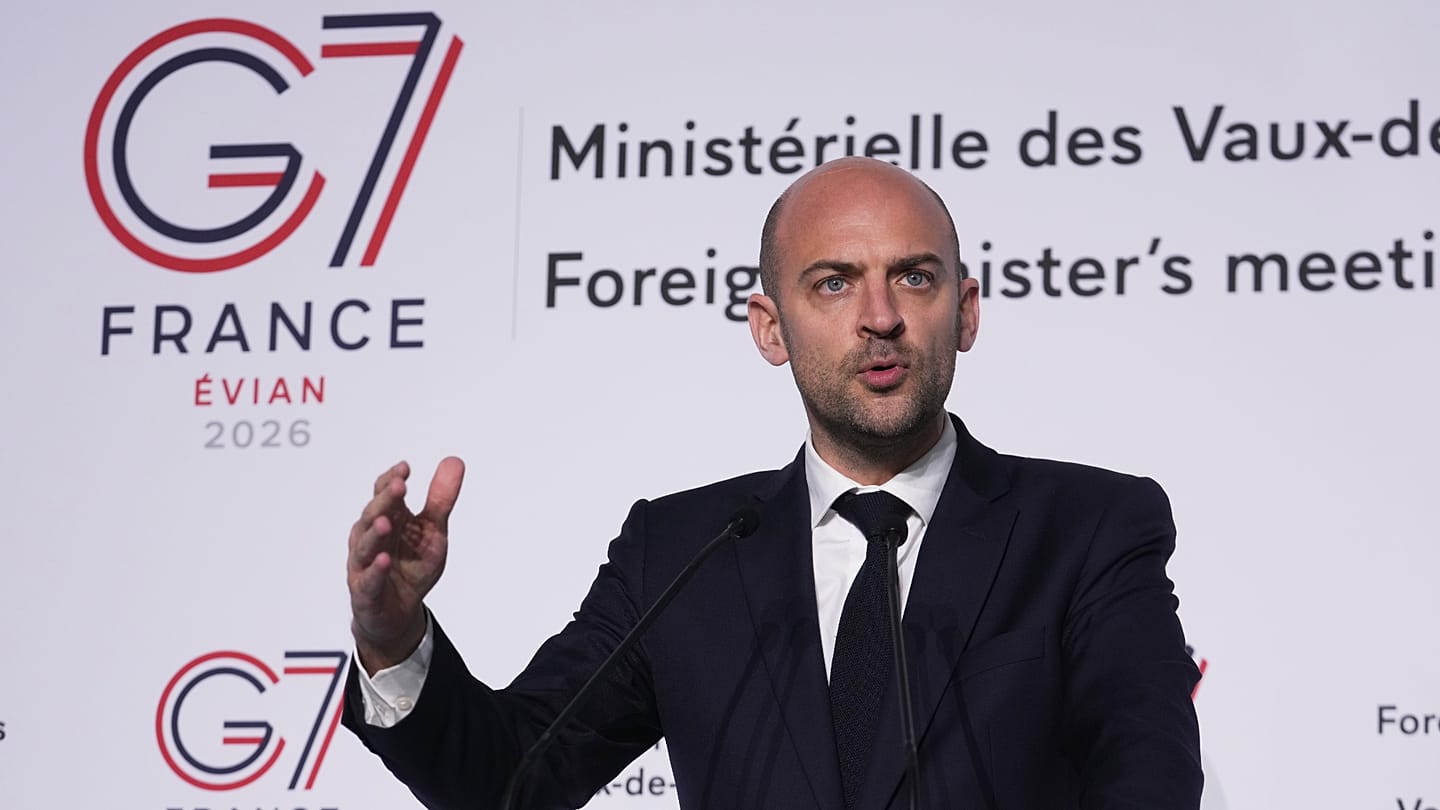
France has initiated a formal judicial inquiry into allegations of serious mistreatment of activists aboard the Gaza flotilla, Foreign Minister Jean-Noël Barrot confirmed on Friday. The move follows reports detailing acts of humiliation, rape, and torture against those on board the vessels, which were part of a humanitarian mission to break the blockade of Gaza.
Judicial Referral and Context
Barrot stated that he had referred the matter to the French courts, signaling Paris's willingness to investigate claims that have sparked outrage among human rights organizations. The flotilla, organized by activist groups, aimed to deliver aid to Gaza but was intercepted by Israeli forces in international waters. The incident has drawn international condemnation, with France now taking a leading role in seeking accountability.
The inquiry will examine whether French nationals were among the victims and whether the alleged acts constitute crimes under French law, which allows for prosecution of certain offenses committed abroad. This development comes amid broader tensions in the region, including ongoing drone strikes in Ukraine that have also drawn European scrutiny.
European and International Reactions
The French decision has been welcomed by advocacy groups, who argue that the flotilla incident highlights the need for greater protection of humanitarian workers. The European Union has yet to issue a formal statement, but several member states, including Belgium and Ireland, have expressed concern. The inquiry could set a precedent for how European nations handle extraterritorial human rights abuses.
This is not the first time France has taken a strong stance on international justice. Earlier this year, the French National Assembly voted to repeal the 'Code Noir' slavery edicts, reflecting a broader reckoning with historical injustices. The current investigation underscores France's role as a defender of human rights on the global stage.
Legal and Diplomatic Implications
The inquiry could strain relations between France and Israel, which has defended its interception of the flotilla as a necessary security measure. French law allows for the prosecution of crimes against humanity and torture, even if committed abroad, provided the accused is on French soil. This legal framework gives Paris significant leverage in pursuing the case.
Human rights lawyers have noted that the investigation may also involve testimonies from activists from other European countries, including the United Kingdom and Germany, who were on board. The flotilla included participants from several nations, making this a pan-European issue. The case echoes previous controversies, such as the 2010 Mavi Marmara raid, which led to a diplomatic crisis between Turkey and Israel.
As the inquiry unfolds, France is expected to cooperate with international bodies, including the International Criminal Court, though no formal referral has been made. The outcome could influence how European nations approach similar incidents in the future, particularly in conflict zones like Gaza.