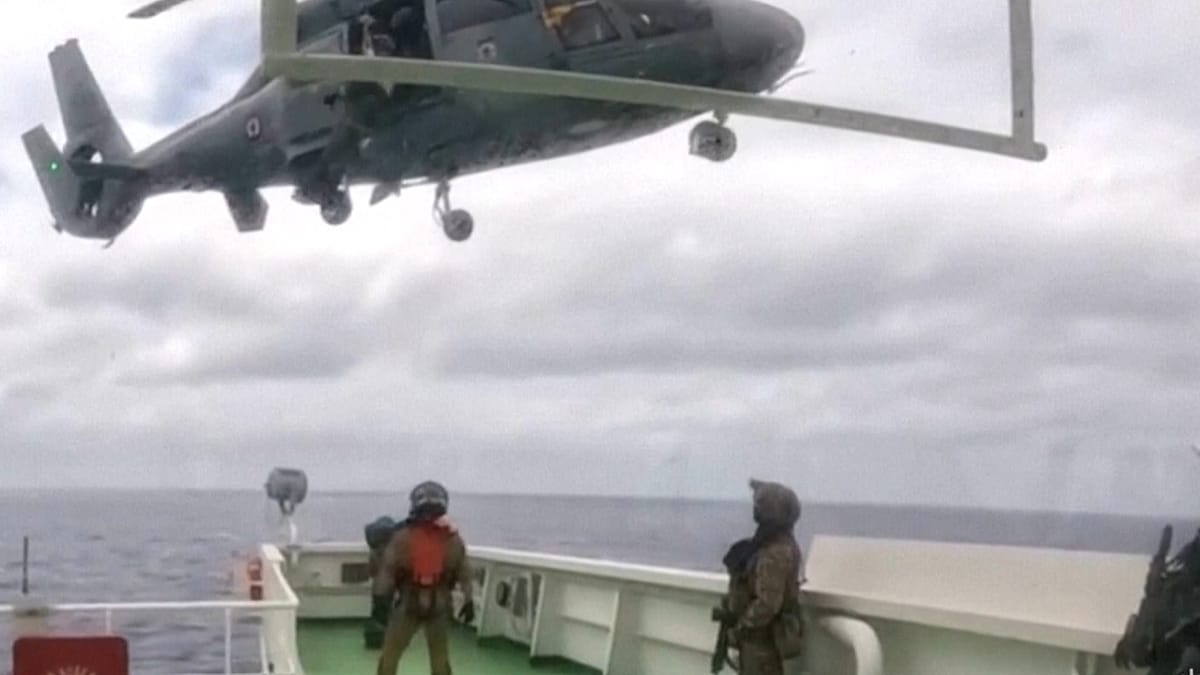
In a rare public display of maritime enforcement, the French Navy has intercepted an oil tanker suspected of operating as part of Russia's shadow fleet in the Indian Ocean. The operation, confirmed by President Emmanuel Macron on Monday, targeted the DF Peak, a vessel believed to be sailing under a false flag while transporting fuel in violation of international sanctions.
The tanker, which was flying a Beninese flag, was boarded by French naval forces and subsequently escorted to an anchorage off the coast of Réunion, a French overseas department in the Indian Ocean. There, it will be subject to a judicial investigation, according to officials in Paris.
A growing challenge for European enforcement
The interception highlights the increasing difficulty European nations face in policing the shadow fleet—a network of aging, often poorly maintained vessels that Russia uses to circumvent Western oil price caps and embargoes imposed after its full-scale invasion of Ukraine. These ships frequently change flags, ownership, and even names to obscure their cargoes and destinations.
French authorities have not disclosed the exact nature of the alleged violations, but the decision to divert the vessel to Réunion suggests a formal legal process is underway. The move aligns with broader efforts by the European Union and its allies to tighten the noose on Russian energy revenues, which remain a critical source of funding for Moscow's war effort.
This operation comes as Western countries, including the EU, the UK, and the US, have stepped up coordination to identify and disrupt shadow fleet activities. Recent months have seen a series of sanctions and port bans targeting individual vessels, yet the sheer scale of the fleet—estimated at hundreds of tankers—poses a formidable challenge.
For France, the interception also underscores its strategic role in the Indian Ocean, where it maintains significant military assets in Réunion and Mayotte. The operation demonstrates Paris's willingness to use those assets to enforce international norms, even far from European waters.
The DF Peak case is likely to be watched closely by shipping insurers, traders, and other governments. It could set a precedent for how European nations handle shadow fleet vessels that are intercepted on the high seas, particularly those suspected of carrying Russian crude or refined products.
While the French Navy's action is a notable success, experts caution that it is only one vessel among many. The shadow fleet continues to operate, often with the tacit support of non-Western ports and flag states. European policymakers are therefore exploring additional measures, including stricter due diligence requirements for ship insurers and broader use of satellite tracking to identify suspicious ship-to-ship transfers.
As the war in Ukraine grinds on, the economic pressure on Russia remains a central pillar of Western strategy. Operations like this one send a clear signal that Europe is prepared to act decisively, even in distant waters, to uphold its sanctions regime.