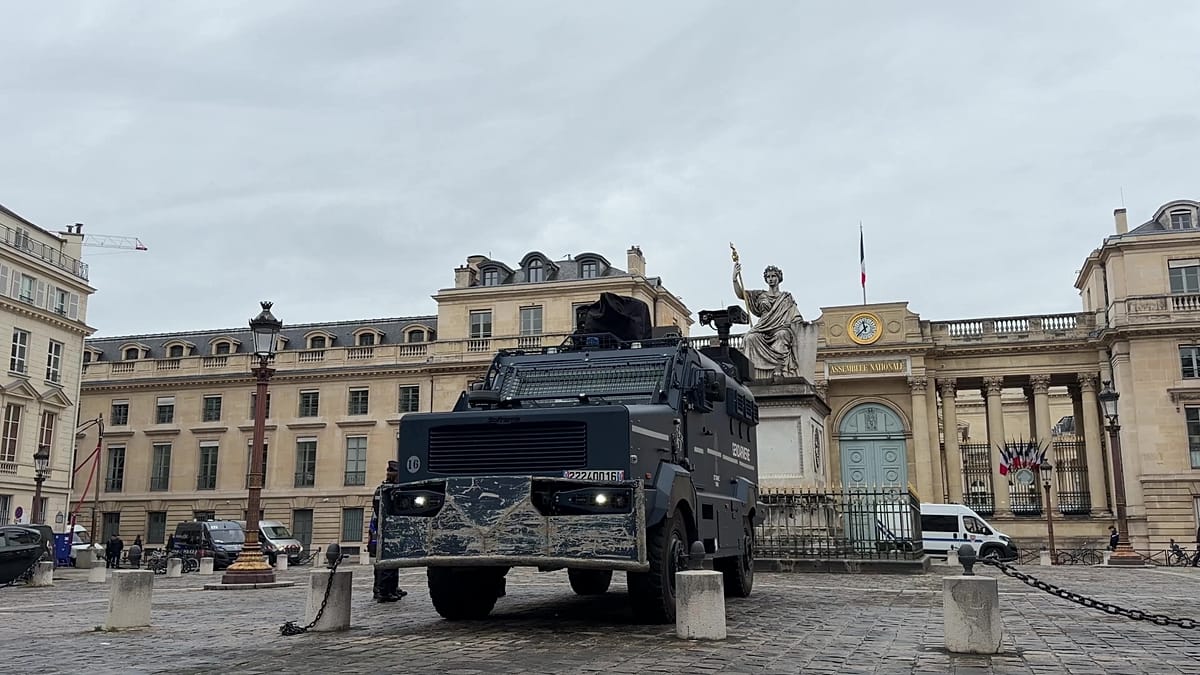
French security forces took up positions in Paris and Marseille on Saturday, 24 October, with Centaure armoured vehicles visible near key institutions and on the streets of the southern port city. The deployment came as the government prepared for a new wave of demonstrations triggered by the rising cost of living, a issue that has tapped into deep public frustration across the country.
In Paris, an armoured vehicle was stationed behind the National Assembly, a symbolic location that underscores the political sensitivity of the protests. In Marseille, police patrols were accompanied by armoured vehicles and a water cannon, a clear signal that authorities are determined to prevent a repeat of the violence that marred the previous weekend.
Heightened security after weekend of unrest
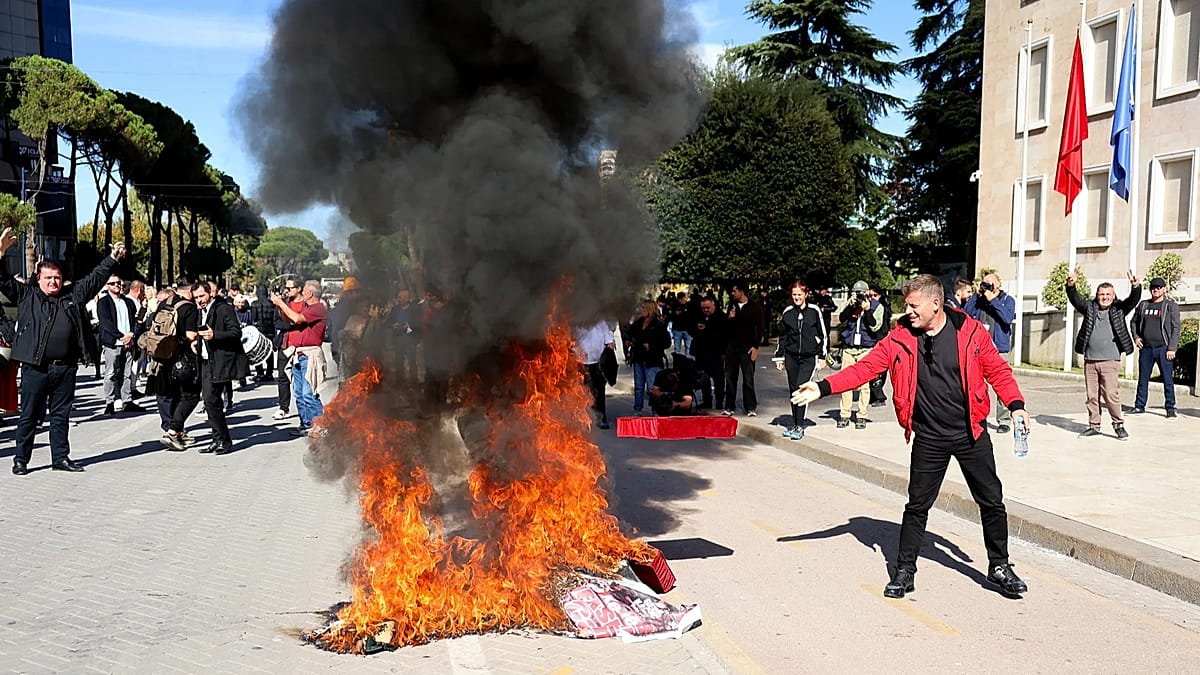
The precautionary measures follow clashes, looting, and arson in several French cities last weekend, which left shopkeepers and local officials on edge. The interior ministry has since announced the mobilisation of 70,000 officers nationwide, a figure that reflects the scale of the challenge. Businesses in central districts of Paris, Lyon, and Marseille have boarded up windows and removed outdoor seating, bracing for potential disruptions.
The protests, initially focused on fuel prices and the broader cost-of-living squeeze, have evolved into a broader expression of discontent with President Emmanuel Macron's economic policies. Critics argue that the government has been slow to address the erosion of purchasing power, while supporters point to targeted subsidies and price caps as evidence of action.
The situation has drawn attention beyond France's borders. In Italy, authorities have deployed elite units and drones to secure protests planned for the same day, a sign that the unrest is resonating across the continent. Meanwhile, security analysts are monitoring the risk of extremist elements exploiting the demonstrations, following jihadist calls to attack protesters and police in Spain and Portugal.
In Paris, the art world has not been immune to the tense atmosphere. The opening of Art Basel Paris took place under high security, with organisers and visitors alike aware of the fragile public order. The contrast between the city's cultural life and the spectre of street violence was stark.
The government's response has been firm. Interior Minister Gérald Darmanin has insisted that the state will not tolerate violence, while also acknowledging the legitimacy of peaceful protest. The use of armoured vehicles, however, has drawn criticism from some quarters, with civil liberties groups questioning whether such a show of force is proportionate.
For many ordinary citizens, the protests are a symptom of deeper economic anxieties. Inflation, particularly in food and energy, has outpaced wage growth, leaving households struggling to make ends meet. The government's promise of a bouclier tarifaire (tariff shield) on energy prices has offered some relief, but many feel it is insufficient.
As the day unfolded, the atmosphere remained tense but largely peaceful in the capital. In Marseille, police used water cannon to disperse a group of demonstrators who attempted to block a major thoroughfare. Similar scenes were reported in Lyon, where police fired tear gas to break up a banned protest near a university, a reminder of the volatility that persists.
The coming weeks will test the government's ability to manage both the streets and the broader economic discontent. With the mouvement des gilets jaunes still a recent memory, the authorities are keen to avoid a repeat of the prolonged unrest that shook the country in 2018. The deployment of armoured vehicles is a clear message: the state is prepared to maintain order, but the underlying grievances remain unresolved.