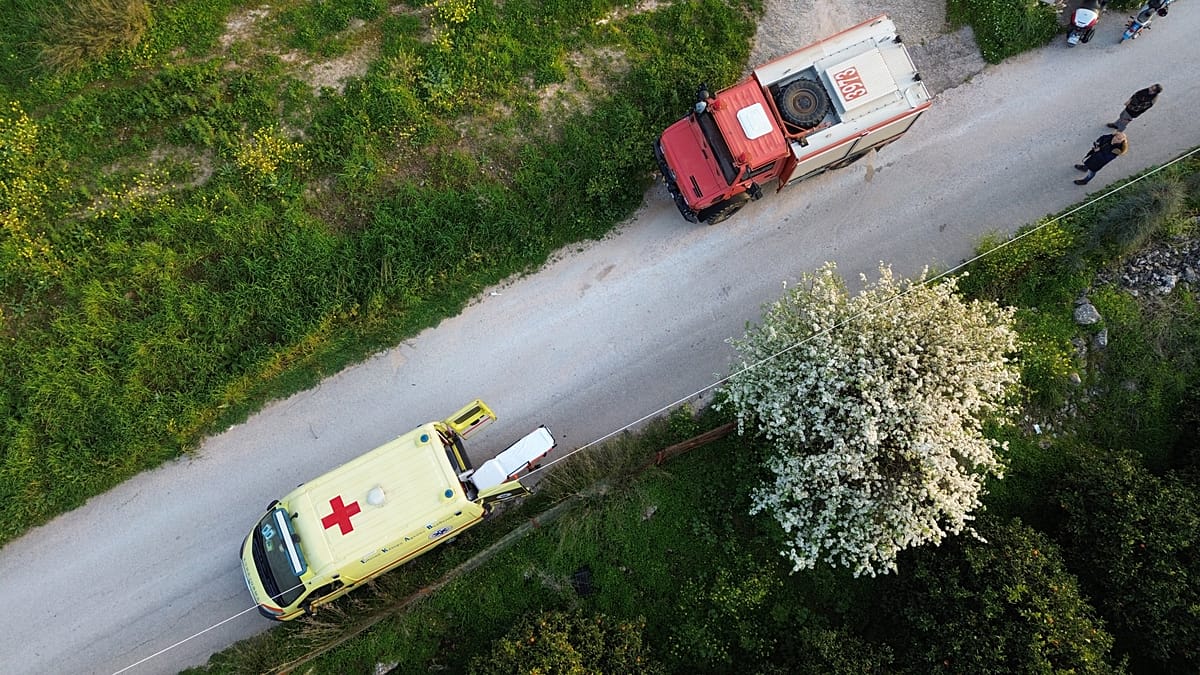
A 41-year-old French tourist died on Sunday afternoon while hiking near Balos, in the Chania region of Crete, after collapsing in extreme heat. The woman had set out with her partner from a car park at Falasarna, intending to reach the famous Balos lagoon on foot.
According to the Hellenic Fire Service's Coordination Centre, the couple followed a difficult trail that winds through rugged terrain. Despite clear warning signs prohibiting access to the route, they continued on their way. The hike is known to be long and physically demanding, even in milder conditions.
On their return leg, roughly a kilometre from the car park, the woman lost consciousness, suffering from severe dehydration. Her partner rushed back to the car to fetch water and called the European emergency number 112 to alert authorities.
A large-scale rescue operation was launched, involving firefighters from the Kissamos Fire Station and a specialist team from EMODE, the Greek disaster response unit. When the firefighters reached the woman, she was unconscious. They immediately began first aid and performed cardiopulmonary resuscitation (CPR) until paramedics from the National Emergency Centre (EKAB) arrived on the scene.
The EKAB crew continued resuscitation efforts and transported the woman to hospital. However, according to officials, she died during the journey.
Heat and terrain: a deadly combination
The incident underscores the dangers of hiking in the Greek summer, where temperatures regularly exceed 35°C and the sun is relentless. The Coordination Centre stressed that high temperatures and intense sunshine make long, demanding routes particularly hazardous, even for experienced walkers.
Crete's western coastline, including the Balos area, attracts thousands of visitors each year. The lagoon's turquoise waters are a major draw, but the surrounding hills offer little shade and no reliable water sources. Local authorities have repeatedly warned tourists to avoid strenuous hikes during peak heat hours.
This tragedy comes as Greece grapples with the broader impact of rising temperatures on tourism. Heat awareness is growing among visitors, with many now carrying hats, sunscreen, and extra water. Yet incidents like this show that warnings are not always heeded.
The French tourist's death is the latest in a series of heat-related incidents across southern Europe. In recent years, several hikers have died or required rescue on Greek islands and mainland trails during summer heatwaves. Authorities have stepped up patrols and installed additional signage, but the rugged terrain makes prevention difficult.
The couple's decision to hike despite the warnings has prompted renewed calls for stricter enforcement of trail closures. Some local officials have suggested fines for those who ignore danger signs, while others advocate for better education and more visible information at trailheads.
For now, the focus remains on the family of the victim. The French embassy in Athens has been informed and is providing consular assistance. The woman's name has not been released pending notification of relatives.
As the summer season peaks, Greek emergency services are bracing for more heat-related calls. The fire service has urged hikers to plan their routes carefully, start early in the morning, carry ample water, and turn back if they feel unwell. No view is worth a life, one firefighter said.