When Tate Modern opens its doors on 25 June for Frida: The Making of an Icon, it will already be the most pre-sold exhibition in the London gallery's history. More than 41,000 tickets have been snapped up, surpassing the previous record held by a David Hockney retrospective in 2017. The numbers confirm what many observers have long suspected: Frida Kahlo has become a global phenomenon whose reach extends far beyond the art world.
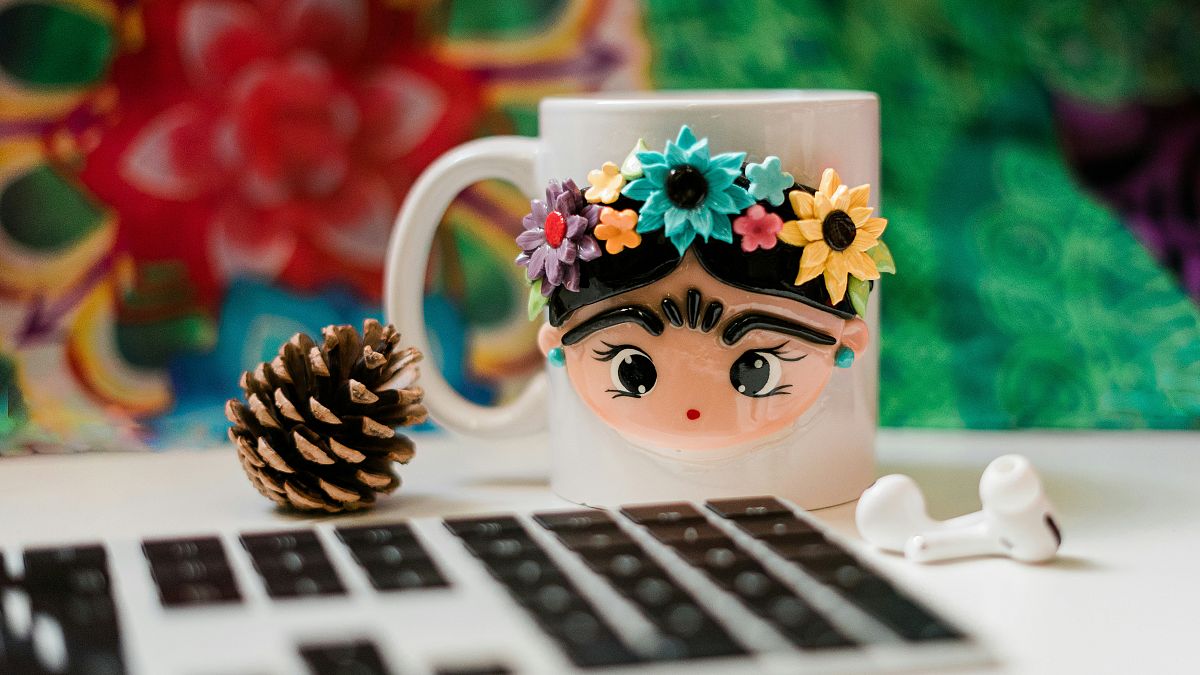
The exhibition, however, is not merely a celebration of her paintings. It sets out to dissect how Kahlo's face—those arched brows, the unibrow, the dark hair crowned with flowers—has been transformed into a universally recognisable logo. From t-shirts and tote bags to eye masks, phone cases, oven mitts, and plant pots, her likeness has been stripped down to a handful of graphic cues and mass-produced for a global market.
From Painter to Product
Kahlo's journey from Mexican artist to commercial property did not happen overnight. As early as the 1970s, her image appeared on billboards and in fashion collections. Today, corporations such as Forever 21, Mattel (maker of Barbie), and Vans all sell merchandise bearing her face. The phenomenon, sometimes dubbed Fridamania, has turned her into a cult figure whose symbolic weight now encompasses everything from feminist defiance to facial-hair acceptance.
Part of the appeal lies in the visual potency of her self-representation. The bold colours, the floral motifs, the unapologetic eyebrows—these elements are instantly identifiable even in minimalist form. They also resonate with contemporary movements that reject artificial beauty standards. To wear Kahlo's face on a bag or a jacket can signal support for natural, non-conformist values.
Yet the commercialisation has a cost. As the authors of the blog Messy Nessy argue, Kahlo has become "a cookie-cutter-mould of her former self, all the while making a profit for the kind of capitalist corporations in ways that the artist wouldn’t have wanted." The deeper meanings of her work—her chronic pain, her political convictions, her exploration of identity—risk being flattened into a stylish but hollow symbol.
The Woman Behind the Myth
Kahlo's life story is itself a powerful narrative. At 18, she was severely injured when a bus she was riding in Mexico City collided with a trolley car. A metal handrail pierced her abdomen; her spine was broken in three places. Doctors doubted she would survive, let alone walk again. Yet she began to paint while encased in a full-body plaster cast, transforming her suffering into art.
Her subsequent life was marked by marital turmoil, affairs, divorce, and chronic health problems. This trajectory has led many to view her as the archetypal suffering artist, a cult heroine whose personal struggles are inseparable from her work. Some scholars, like Margaret A. Lindauer, warn that this biographical focus can distort the appreciation of her paintings, reducing them to mere illustrations of life events.
Nevertheless, the myth has proven commercially potent. Kahlo's image now carries a multitude of meanings—from emancipation to resilience—that make it attractive to marketers seeking to associate their products with authenticity and rebellion.
A European Lens
The Tate exhibition is not the only recent European engagement with Kahlo's legacy. A dispute between Mexico and Spain over the ownership of several Kahlo works has highlighted the ongoing tensions around cultural heritage. That row underscores how Kahlo's art remains a contested asset, caught between national pride and international commerce.
Meanwhile, the exhibition itself is part of a broader cultural moment. This week's cultural guide includes Kahlo alongside other icons, reflecting the enduring fascination with her persona. For European audiences, the show offers a chance to reflect on how a Mexican artist became a global brand—and what that says about the art market, identity politics, and the limits of commodification.
As visitors queue for the Tate's blockbuster, they will encounter not only Kahlo's paintings but also the merchandise that has made her face ubiquitous. The exhibition promises to be both a celebration and a critique, forcing viewers to ask whether the icon has been made or unmade by her own popularity.