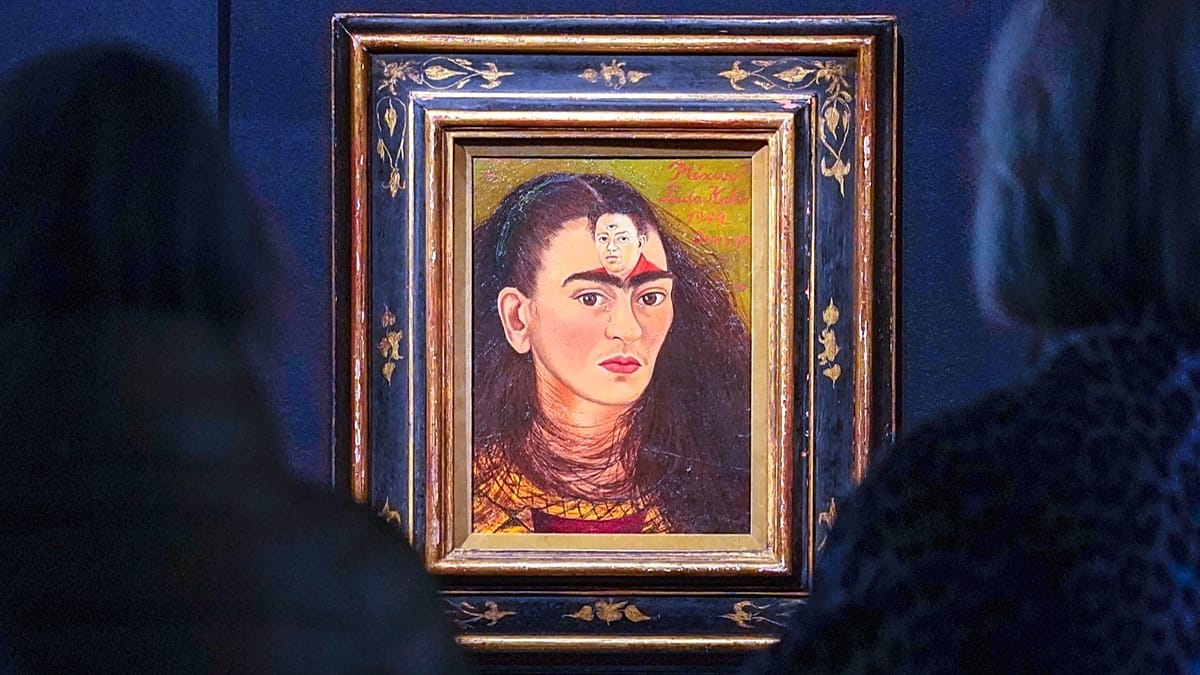
A dispute over the planned relocation of 18 artworks by Frida Kahlo to Spain has ignited a fierce debate about national heritage, legal loopholes, and transparency in Mexico. The works, part of the Gelman Collection, are set to move to the Faro Santander museum in Madrid, following Spanish bank Santander's acquisition of control over 160 of 300 works by major Mexican artists from the collection.
Mexican law designates Kahlo's works as national artistic monuments, which prohibits their permanent export. Critics argue that the arrangement with Santander effectively bypasses this restriction. Daniel Vega Pérez, director of the Faro Santander museum, told Spanish newspaper El País that there is “flexibility” in Mexican legislation that allows for easy renewal of export licenses, even suggesting the works could find a permanent home in Spain.
Artists and Scholars Demand Clarity
Nearly 400 Mexican artists, historians, and curators have signed an open letter questioning the Mexican government's lack of transparency. They demand clarification on why Kahlo's works were allowed for de facto permanent export while other artists with similar legal protections are only permitted temporary leasing abroad. The letter calls for open consultation to foster “responsible use of artistic heritage and avoid creating legal loopholes and public uncertainty.”
Mexican President Claudia Sheinbaum Pardo defended the arrangement, asserting that authorities are acting within the law. Minister of Culture Claudia Curiel de Icaza stated that the collection “has not been sold and is only temporarily exhibited,” adding, “The collection is Mexican; it wasn’t sold – it’s only leaving temporarily.”
Santander issued a statement emphasizing that the deal “does not imply, under any circumstances, either the acquisition of the collection or its permanent removal from Mexico” and that the works “will return to Mexico at the end of the temporary export period.” The bank also announced a delay in the Faro Santander opening from June to September at the Mexican government's request.
Despite these assurances, critics remain skeptical. The postponement does not resolve the dispute, and reports indicate the Santander agreement runs until 2030 and can be extended by mutual consent. This has fueled concerns that the works may never return, echoing broader debates about the repatriation of cultural artifacts.
The controversy also highlights Spain's ongoing engagement with Latin American heritage, a topic that resonates across Europe. For instance, Spain's push to suspend the EU-Israel deal shows its active role in international cultural and political debates. Meanwhile, Spain's €7 billion commitment to public housing reflects its domestic priorities, even as it navigates complex cultural exchanges.
The outcome of this dispute could set a precedent for how nations manage their artistic heritage in an era of globalized museum partnerships. For now, the fate of Kahlo's masterpieces remains uncertain, with both sides digging in over legal interpretations and cultural sovereignty.