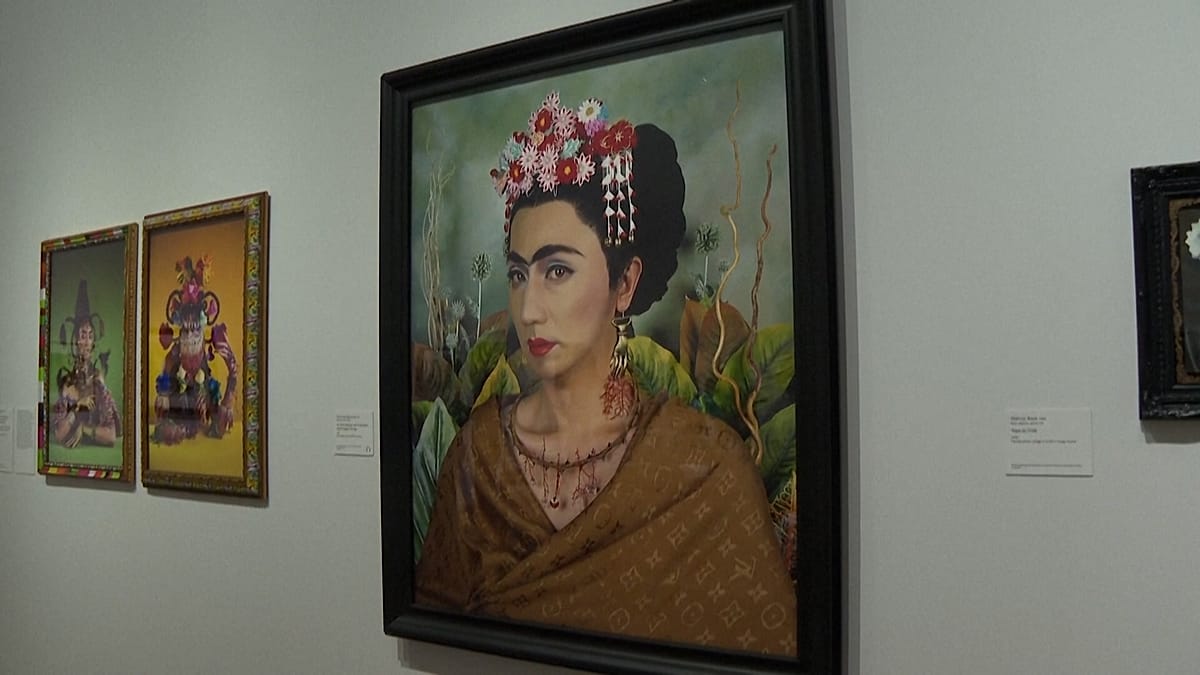
Frida Kahlo's face is instantly recognisable: the unibrow, the flowers woven into her hair, the defiant gaze. But behind the iconic image lies a complex artist whose work has transcended borders to become a global phenomenon. Tate Modern's latest exhibition, the highest pre-selling show in the museum's history, brings together more than 30 of Kahlo's works alongside pieces by artists she inspired, offering a rare opportunity to see her art in context.
From Mexican Roots to Global Brand
Kahlo's transformation from a Mexican painter to a worldwide symbol is a story of cultural appropriation, commercialisation, and genuine artistic resonance. The exhibition at Tate Modern, located on London's South Bank, traces this journey, showing how Kahlo's self-portraits—often raw and unflinching—have been adopted by movements from feminism to fashion. The show includes works from her early career, such as The Two Fridas, alongside later pieces that reflect her political engagement and personal pain.
For European audiences, the exhibition is particularly significant. Kahlo's work has long been celebrated in Europe, but this show marks a turning point in how her legacy is understood. It is not merely a retrospective; it is an exploration of how an artist becomes an icon. The curators have included pieces by European artists who cite Kahlo as an influence, from the surrealist paintings of Leonora Carrington to the contemporary installations of Tracey Emin. This dialogue between Kahlo and her European admirers underscores the continent's role in shaping her global reputation.
The exhibition's record-breaking pre-sales—tickets sold out weeks in advance—reflect a broader trend in European cultural consumption. Museums across the continent, from the Musée d'Orsay in Paris to the Reina Sofía in Madrid, have seen a surge in demand for blockbuster shows. The Bayeux Tapestry London Exhibition Draws Nine-Hour Queues for Tickets earlier this year demonstrated the public's appetite for immersive cultural experiences. Kahlo's show taps into this same desire, offering a deep dive into an artist whose life and work resonate far beyond the gallery walls.
The Politics of the Unibrow
Kahlo's image has been co-opted by brands and activists alike, but the exhibition does not shy away from the tensions this creates. Her unibrow and traditional Mexican clothing, once markers of her defiance of European beauty standards, have become commodities. The show includes a section on the commercialisation of Kahlo's likeness, featuring everything from T-shirts to coffee mugs. Yet it also highlights how her image has been reclaimed by indigenous and feminist movements across Europe, from Berlin to Barcelona.
The exhibition's timing is also notable. As Europe grapples with debates over cultural appropriation and representation, Kahlo's story offers a case study in how an artist's identity can be both celebrated and exploited. The curators have included works by contemporary European artists who engage with these issues, such as the Spanish photographer Cristina García Rodero, whose portraits of Mexican women echo Kahlo's self-representation. This layered approach ensures that the exhibition is not just a celebration but a critical examination of the making of an icon.
For those unable to attend in person, the exhibition has sparked a wave of digital content, including a video series exploring Kahlo's influence on European art. The show runs until September, and given the demand, it is likely to be extended. As one visitor from Paris noted, "It's not just about Frida; it's about how we see ourselves through her eyes."
The exhibition also connects to broader cultural trends in Europe. The Frida Kahlo, Supergirl, and Dragons: Your Cultural Guide to Europe This Week feature highlighted how Kahlo's work fits into a summer of diverse cultural offerings across the continent. From the heatwave affecting southern Europe—Spain Records Hottest June Days as Heatwave Intensifies Across Southern Europe—to the political debates in Brussels, Kahlo's exhibition offers a moment of reflection on identity and resilience.
Ultimately, the show's success is a testament to Kahlo's enduring power. She remains a figure who challenges conventions, whether in art, politics, or personal expression. For European audiences, her work is a reminder that the most powerful icons are those who refuse to be reduced to a single image.