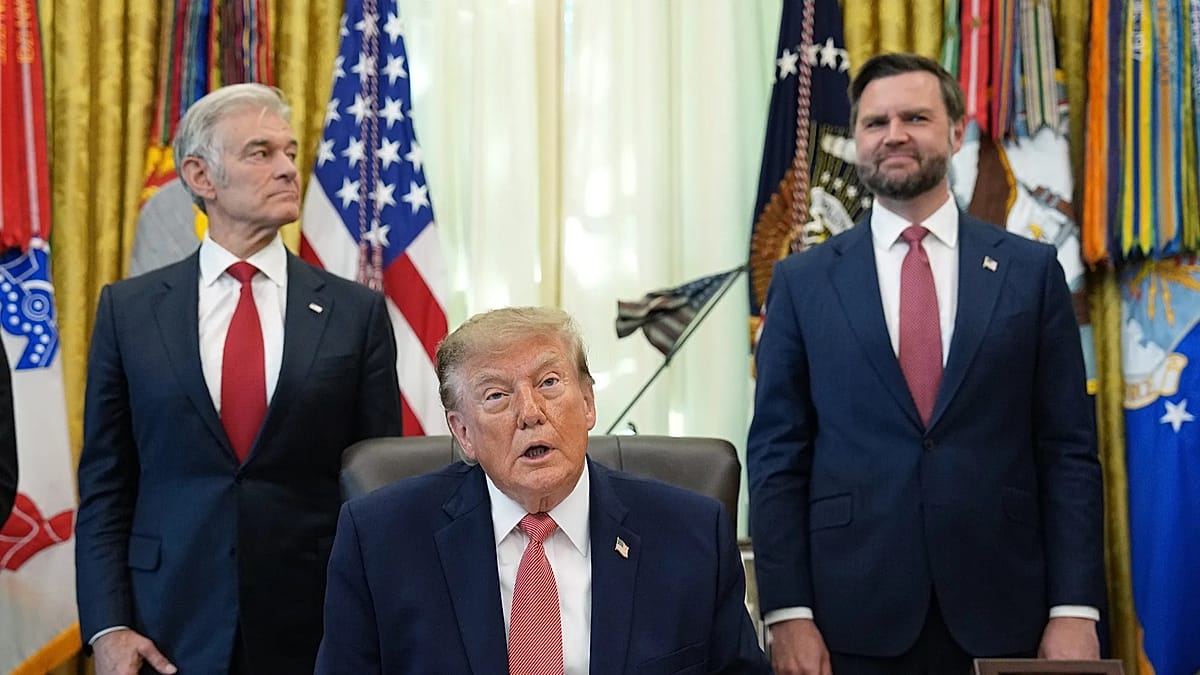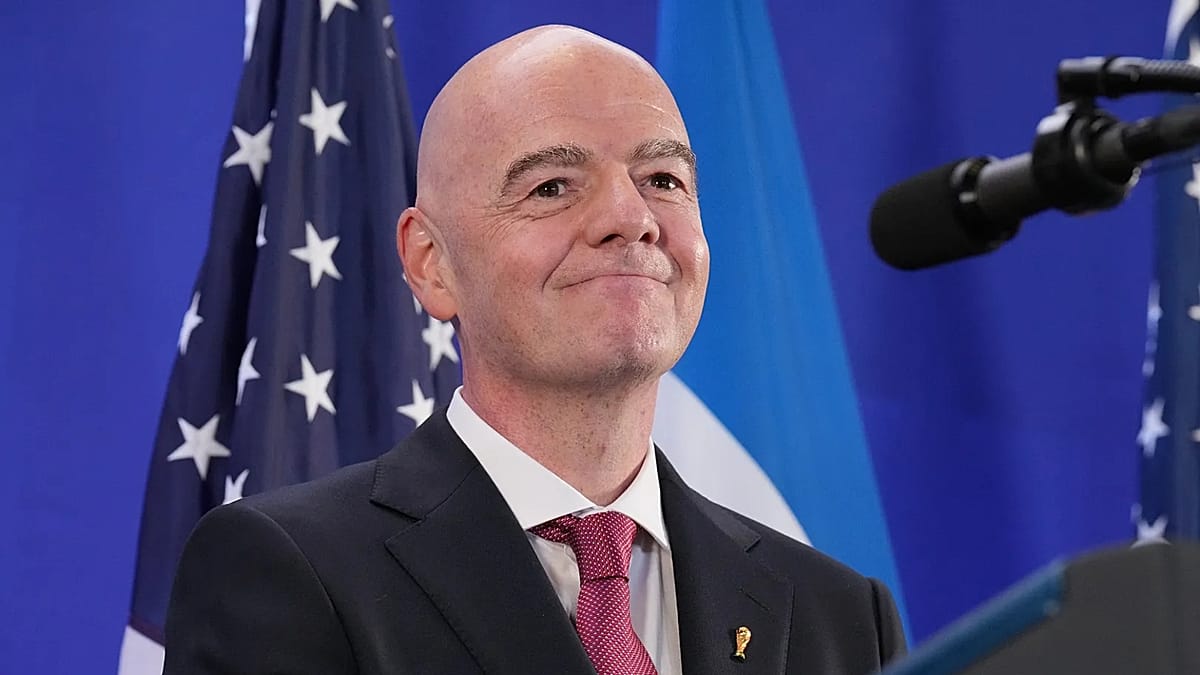
Gianni Infantino, the Swiss-Italian president of FIFA, could be nominated by US President Donald Trump for the role of United Nations Secretary General, but his path to the world's top diplomatic post remains fraught with obstacles. According to a report in The New York Post, Trump views Infantino as a respected figure with a special ability to bring people together, citing the success of the 2026 World Cup as evidence. Neither Trump nor Infantino have confirmed the candidacy, and the selection process is notoriously complex.
The UN Secretary General is appointed by the 193-member General Assembly, but only after a recommendation from the Security Council. This means the real decision lies with a restricted group of 15 countries, including five permanent members—the United States, China, Russia, France, and the United Kingdom—each holding veto power. Any one of them can block a candidate, making geopolitical acceptability as crucial as diplomatic credentials. The Council conducts confidential straw polls before settling on a single nominee, and the General Assembly's subsequent approval is largely procedural, never having been rejected in UN history.
Infantino's European Hurdle
An informal tradition of geographic rotation adds another layer of difficulty. The position has historically alternated among continents, and with António Guterres of Portugal stepping down after two terms, many argue it is time for a candidate from outside Europe. Infantino, as a European, would face resistance from those who believe the role should go to a representative from Africa, Asia, or Latin America. Additionally, there is growing pressure to elect the first female Secretary General, as all ten previous holders have been men.
Infantino's background also raises questions. While the UN Charter does not require diplomatic experience, his tenure at FIFA has been marked by governance controversies and criticism over human rights concerns linked to World Cups in Russia and Qatar. His close relationship with Trump could further alienate other permanent Security Council members, particularly China and Russia. Supporters might argue that he has expanded football's global reach and managed an organization with more member associations than the UN, but this is unlikely to sway skeptical diplomats.
The race is already underway, with six candidates currently in the running. Notable names include Michelle Bachelet, the former Chilean president and UN High Commissioner for Human Rights, who remains in the race despite losing support from Chile's new conservative government; Mariano Grossi, head of the International Atomic Energy Agency, nominated by Argentina; and Rebeca Grynspan Mayufis, head of UN Trade and Development, nominated by Costa Rica. Others include Macky Sall of Senegal, María Fernanda Espinosa Garcés of Ecuador, and Carolyn Rodrigues Birkett of Guyana.
The Security Council is expected to begin considering candidates at the end of July, with a public debate titled “UN Town Hall: The Next Secretary-General” scheduled for Thursday afternoon in New York. However, there is no binding deadline for nominations, meaning the US could submit Infantino's name at any point. For now, his candidacy remains speculative, but if formally proposed, it would set off a difficult and politically charged contest.
For more on Trump's foreign policy moves, see Trump Reportedly Pushes FIFA's Infantino for UN Secretary-General Role. The broader geopolitical context includes Trump Threatens to Bomb Tehran Infrastructure for Each Iranian Attack in Strait of Hormuz and Trump Rules Out Iran Talks as US War Costs Surge Past $37 Billion.