Greece is facing one of its most intense West Nile virus seasons in recent years, with health authorities reporting 290 domestically acquired infections and 24 deaths since the transmission season began. The latest data from the Hellenic National Public Health Organisation (EODY), covering the period up to 2 September, shows 58 new cases were added in the past week alone, indicating that the virus continues to spread at a high level.
The burden is particularly heavy in Attica, the region around Athens, which accounts for roughly 166 of the 290 cases — more than half of the national total. Thessaly and Central Macedonia follow with 52 cases each, while Crete, Central Greece and the Peloponnese have recorded smaller numbers. EODY describes the circulation in Attica as "particularly intense" compared with previous years.
Neurological complications and hospital pressure
Of the 290 cases, 199 involved severe neurological symptoms affecting the central nervous system, including encephalitis, meningitis or acute flaccid paralysis. The remaining 91 patients had milder symptoms or no neurological involvement. The median age of those with central nervous system manifestations is 74 years, underscoring the vulnerability of older adults.
All 24 deaths have occurred in people over the age of 65, with a median age of 83. Hospitals remain under significant strain: 63 patients are currently hospitalised, 32 of them in intensive care units and 31 in ordinary wards. A further 182 patients have already been discharged.
At the municipal level, Larissa in Thessaly has the highest number of reported cases with 27, followed by Spata–Artemida in eastern Attica with 19, and Markopoulo Mesogaias and Agia Paraskevi with 14 each. The municipality of Pella in Central Macedonia has 13 cases, while Vari–Voula–Vouliagmeni and Halandri each report 12.
Eastern Attica is a particular hotspot for severe disease. Spata–Artemida has recorded 17 patients with central nervous system involvement, Markopoulo Mesogaias and Vari–Voula–Vouliagmeni each have 11, and significant numbers are also reported in Pallini, Marathon and Acharnes. In the northern sector of Athens, Agia Paraskevi and Halandri each have 10 severe cases.
EODY has also designated additional municipalities as "high risk" even though no human cases have been confirmed there as of 2 September. These include Iraklio, Nea Smyrni, Palaio Faliro, Nea Filadelfia–Nea Chalkidona, Dafni–Ymittos and Ilion in Attica, as well as areas in Trikala, Serres, Thessaloniki, Pieria, Kilkis, Corinthia, Heraklion in Crete, Thasos and Tinos. The designation is based on a combination of epidemiological, geomorphological and other risk factors.
EODY warns that further cases are expected in already affected areas and possibly in new ones, noting that the geographical spread of the virus cannot be predicted with certainty. The agency recommends individual protection measures against mosquito bites throughout the country for the entire period of mosquito activity.
Cyprus: four confirmed cases, health services urge calm
In Cyprus, the Health Services are calling for calm and vigilance, stressing that current data do not warrant particular concern. Herodotos Herodotou, Deputy Head of the Health Services, said on the "Protoselido" programme on SIGMA that there is no need for anxiety, but emphasised the importance of caution and readiness to respond to any developments.
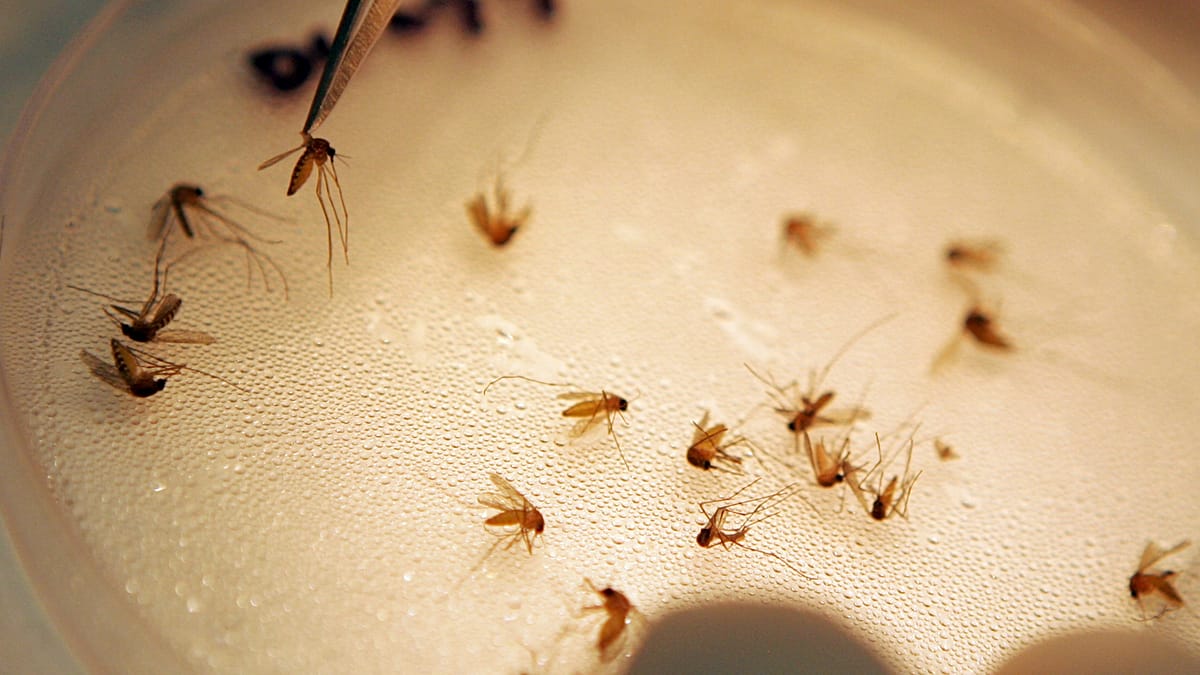
Herodotou explained that the virus is transmitted to humans through the bite of an infected mosquito and noted that the Health Services have been implementing mosquito control measures for decades. He clarified that the mosquito species involved is not imported but has long been present on the island.
Cyprus currently has four confirmed West Nile virus cases, with two more under investigation. According to Herodotou, the Health Services continue to apply prescribed measures around the areas where cases are detected, including immediate spraying around patients' homes, on-site inspections and door-to-door tracing.
Prevention remains a key focus, with the main recommendation being the removal of standing water from plant pots, fountains, gutters and other potential breeding sites. As the region grapples with the seasonal threat, the contrast between Greece's severe outbreak and Cyprus's more contained situation highlights the varying intensity of West Nile virus across the eastern Mediterranean.
For context, the broader European picture has seen other health challenges this summer, from record heat-related deaths in Spain to ongoing debates over public health preparedness. While the virus is a recurring seasonal issue, this year's numbers in Greece are a stark reminder of the need for sustained vigilance and community cooperation.