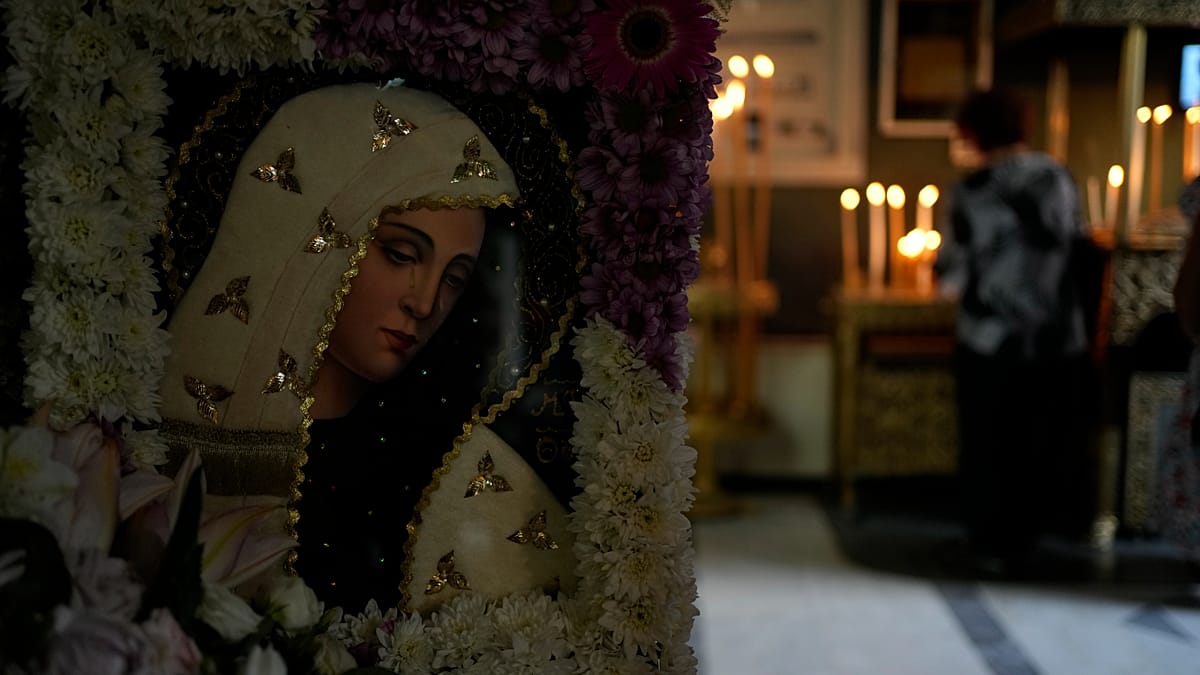
As the calendar turns to mid-August, Greece prepares for one of its most significant religious and cultural observances: the Feast of the Dormition of the Virgin Mary. Known colloquially as the "summer Easter," this day on Saturday, 15 August, transforms the country into a tapestry of processions, pilgrimages, and village festivities that blend faith with communal joy.
For many Greeks, this holiday is a homecoming. It is a time to return to ancestral villages, reunite with extended family, and participate in customs that have been passed down through generations. The occasion is not merely a religious rite but a reaffirmation of social bonds and regional identity.
Faith and Vows on Tinos
Nowhere is the religious fervor more palpable than on the island of Tinos. Thousands of pilgrims converge on the Church of Panagia Evangelistria, many fulfilling personal vows made in times of need. The iconic image of worshippers crawling on their knees up the path to the church is a powerful testament to the depth of devotion. For some, it is an act of gratitude; for others, a plea for a miracle. The island becomes a living expression of faith, drawing visitors from across Greece and the diaspora.
Snakes and Folk Games: Unique Local Customs
On the Ionian island of Kefalonia, the villages of Markopoulo and Arginia observe a peculiar tradition. Small snakes, known as the "little snakes of the Virgin Mary," appear in local churches during the feast days. While the phenomenon has sparked curiosity and debate, residents regard it as a benign omen, symbolizing blessing and good fortune for the year ahead.
Further east, on the island of Astypalaia, the celebration takes on a lighter tone. In the coastal area of Pera Gialos, the "Koukania" festival features playful competitions, such as blindfolded yoghurt-eating contests, that draw laughter and participation from locals and tourists alike. These games underscore the dual nature of the day: solemn reverence and unbridled joy.
Horsemen and Communal Feasts
In the northern town of Siatista, the festivities are marked by a striking equestrian procession. Pilgrims on decorated horses ride to the monastery of Mikrokastro, reviving a custom that has become a hallmark of local heritage. Upon their return, the streets fill with brass bands, traditional songs, and dancing, as the religious observance seamlessly transitions into a spirited folk celebration.
In the village of Palaiopyrgos near Ioannina, the "Ntolia" custom highlights the social dimension of the feast. A designated "archontas" (master of the feast) presides over a shared table, where a ritual of exchanging glasses signals the start of the celebration. This practice is also intended to mend relationships and set aside old grievances, reinforcing the community's cohesion.
These traditions are not static relics; they are living practices that adapt and endure. As younger generations participate, they inherit a sense of belonging and continuity. The feast of August 15th is a quintessential Greek summer experience, where the sacred and the social intertwine, and where the past remains vibrantly present.
For those unable to travel to Greece, the spirit of the day can still be felt through the country's rich cultural offerings. The Greek government has also opened 126 ancient sites for free during the August full moon, providing another reason to explore the nation's heritage. As Greece grapples with challenges such as wildfires and health concerns, the resilience of its people and their traditions remains a source of strength.