Greece is facing a renewed surge of West Nile virus infections, prompting health officials and local governments to intensify mosquito control measures across the country. The latest data from the National Public Health Organisation (EODY) show 47 new cases confirmed in the past week, bringing the total to 157. The virus has now been detected in 45 municipalities spanning five regions: Attica, Thessaly, Central Macedonia, the Peloponnese, and Central Greece.
Four additional deaths were recorded over the same period, raising the toll to 13. The median age of those who died is 82, underscoring the particular vulnerability of older adults. Currently, 42 patients are hospitalised, with 23 in intensive care units. Of the 157 confirmed cases, 116 have developed symptoms affecting the central nervous system, including severe headache, lethargy, and high fever.
Health experts caution that official figures likely underestimate the true scale of infections. Most people who contract the virus experience no symptoms or only mild illness and are never diagnosed. EODY estimates that for every confirmed case, there may be roughly 140 undetected infections circulating in the population.
Hotspots in Attica and beyond
Eastern Attica has emerged as a particular hotspot. In the municipality of Spata-Artemida, 16 cases have been identified, 14 of which involve the central nervous system. Nearby Markopoulo Mesogaias has recorded 13 cases, 11 with similar neurological manifestations. In the city of Larissa, in Thessaly, 11 cases have been confirmed.
In response, regional authorities have stepped up targeted mosquito control operations. In Eastern Attica, these efforts have been intensified, with some areas receiving daily treatments, including door-to-door interventions. Teams are focusing on stagnant water sources such as drains and cemeteries, which provide ideal breeding grounds for mosquitoes.
Public health officials are also emphasising personal protection. They recommend regular use of insect repellent, removal of standing water from yards and balconies—such as in flowerpots, saucers, and buckets—and wearing long-sleeved clothing during evening hours, especially in areas with high transmission.
The role of birds and climate change
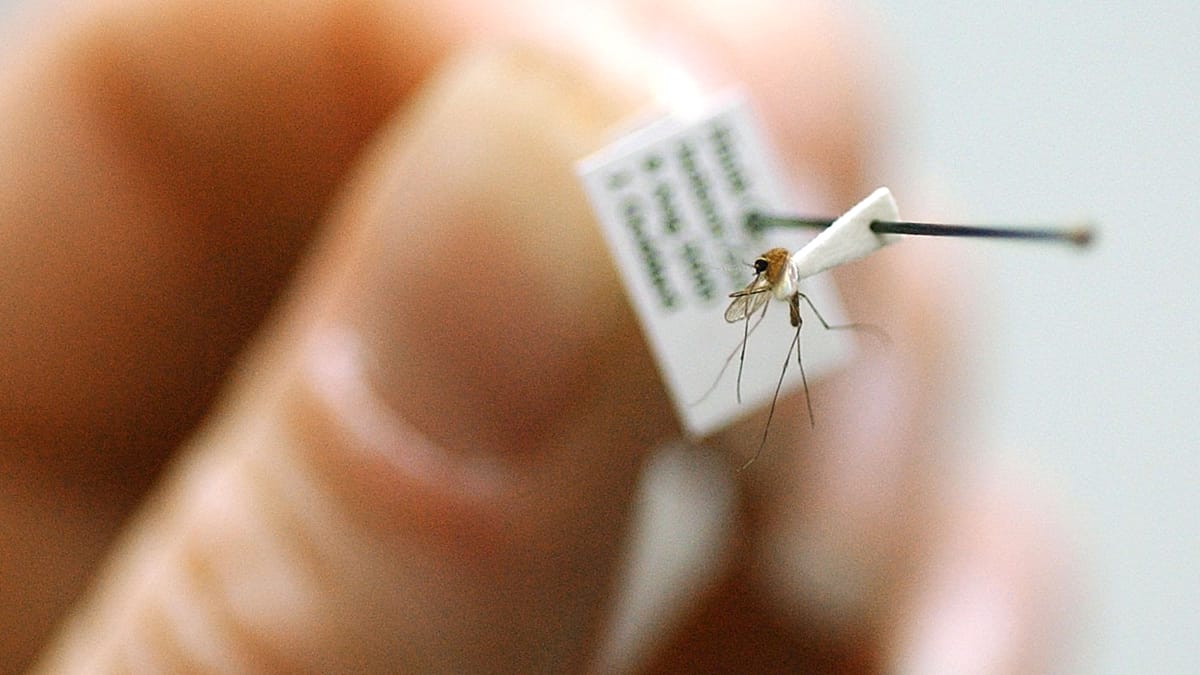
Gkikas Magiorkinis, professor of hygiene and epidemiology, told public broadcaster ERT that infected birds—crows, magpies, and jays—play a crucial role in the virus's transmission cycle. Mosquitoes become infected when they feed on these birds and can then pass the virus to humans.
Magiorkinis also noted that the recent pattern of cases in Attica may be linked to broader environmental changes. One factor under consideration is the impact of Storm Daniel, which devastated Thessaly in 2023, a region that had previously seen intense viral circulation. The storm's flooding may have created new mosquito habitats and altered bird migration patterns.
As Greece grapples with this seasonal health threat, the experience offers a reminder of the interconnectedness of climate, wildlife, and public health. With summer temperatures rising across Europe, similar outbreaks could become more frequent, making vigilance and preparedness essential.