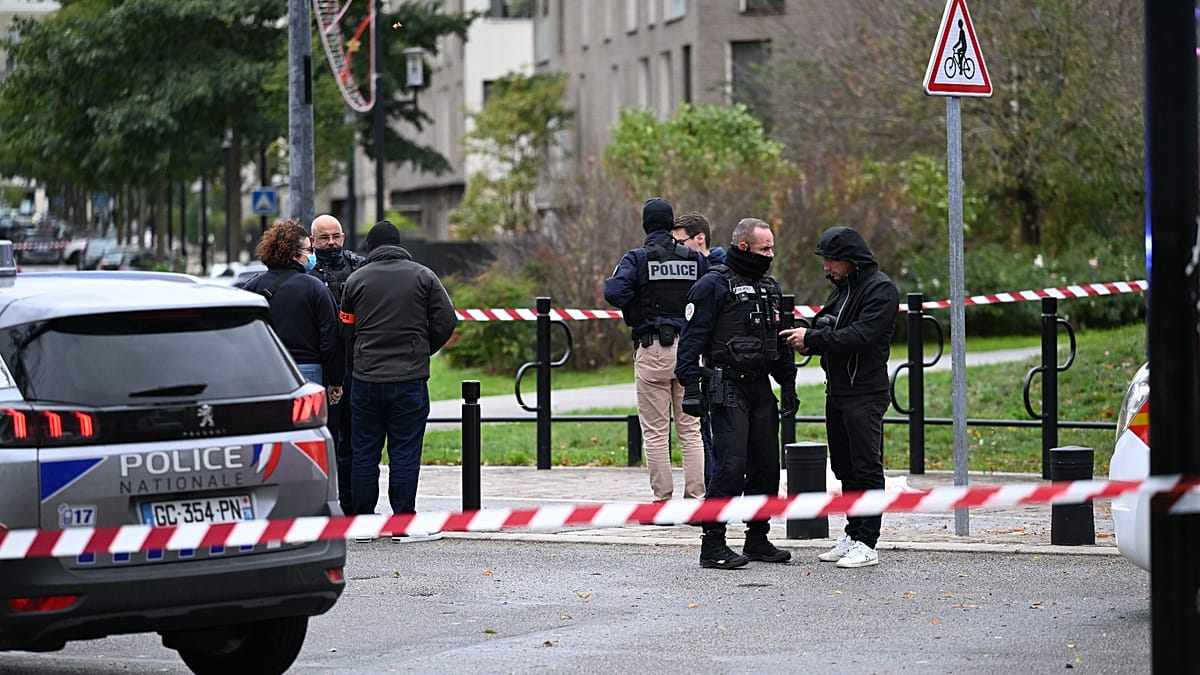
The sudden death of Giorgos Mazonakis, one of Greece's most enduring music stars, has ignited a public reckoning over the regulation of specialised medical procedures in private practices. The 54-year-old singer collapsed at a private medical office in central Athens, where he had gone for a scheduled plasmapheresis, a procedure that removes blood plasma from the body. His death has dominated headlines in Greece and Cyprus, where he was a household name, and has drawn attention from media across the Balkans.
Authorities are now piecing together the final hours of Mazonakis's life. Key questions include whether the procedure had actually begun, who was responsible for it, what medical assessments were conducted beforehand, and whether the premises held the necessary licences, equipment, and specialised staff. The forensic examination is expected to determine the exact cause of death and whether it is linked to the events at the practice.
A career that spanned three decades
Born in Nikaia, Piraeus, in 1972, Mazonakis rose to prominence in the early 1990s. After being discovered while performing in Patras, he released his debut album in 1993 under PolyGram. Over the next three decades, he became a defining figure in contemporary laïko music, a genre rooted in Greek urban folk traditions, and maintained a relentless presence on the country's live music circuit.
His appeal extended well beyond Greece. He had a devoted following in Cyprus and among Greek diaspora communities in Germany, Australia, and the United States. In recent years, he served as a judge on The Voice of Greece. His popularity also reached non-Greek-speaking audiences in the Balkans; he performed in Sofia as early as 2012 and returned in 2023, and in December 2024 he gave a concert in Tirana. News of his death was immediately reported by outlets in Bulgaria and Albania.
What happened at the clinic?
The central mystery is the sequence of events leading to his cardiac arrest. According to Greek media reports, the doctor said to have been responsible for Mazonakis's treatment testified that the plasmapheresis had not yet started and that his condition deteriorated abruptly during preparations. The same reports, citing her testimony, indicate that Mazonakis had visited the practice the previous day as well, and that the doctor described his condition as already compromised, noting difficulties in his speech.
Investigators are expected to examine which symptoms were recorded, what tests were performed, what medical history was taken, and on what basis it was deemed safe to proceed. The two doctors involved were released after giving statements on Wednesday night, while the preliminary investigation continues. The information published so far does not yet present a consistent picture as to whether the plasmapheresis had begun, and if so, under what conditions.
Minister: 'A very arduous procedure'
Greek Health Minister Adonis Georgiadis has ordered an inspection by the Athens Medical Association, noting that the facility was registered as a simple internal medicine practice, not a clinic. In his initial comments, he stated that performing plasmapheresis in such a setting is not permitted. On Thursday, he reiterated that plasmapheresis is a "very heavy" procedure that should only be carried out in a hospital environment. He stressed that the precise cause of death and any liability will emerge from the forensic and wider investigation.
Giorgos Patoulis, president of the Athens Medical Association, has focused on the practice's licence and equipment. Speaking to the public broadcaster ERT, he said the facility was licensed as an internal medicine practice and that the Association's file contains no record of a plasmapheresis machine. He added that two previous inspections had not found such a machine, and that a new committee is currently checking the premises. Patoulis emphasised that plasmapheresis is "a specialised medical procedure" requiring appropriate machinery, specialised staff, and specific standards.
The doctors' lawyer, however, has stated that the machines were duly declared to the Medical Association and that the practice was operating lawfully.
Broader questions about oversight
The case has also prompted wider scrutiny of the regulatory framework governing specialised medical procedures in private practices. The Central Health Council is expected to review the conditions under which such therapeutic interventions may be carried out. This incident echoes other recent cases in Europe where unlicensed or poorly regulated medical procedures have led to tragic outcomes, such as the investigation into a Bangkok clinic after a British influencer's death. While that case occurred outside Europe, it underscores the global need for rigorous oversight of medical practices.
For Mazonakis's fans, the loss is profound. His music was the soundtrack to countless lives across Greece, Cyprus, and the diaspora. As the investigation unfolds, the hope is that answers will bring clarity and that lessons will be learned to prevent similar tragedies. The case has also highlighted the importance of preventive health measures and the need for patients to be fully informed about the risks of any procedure.