Guadalajara, Mexico's second-largest city, is preparing to host its third men's FIFA World Cup in 2026, having previously staged matches in 1970 and 1986. For European fans traveling across the Atlantic, this Jalisco capital promises a blend of football, tradition, and gastronomy that sets it apart from other host cities like Mexico City and Monterrey.
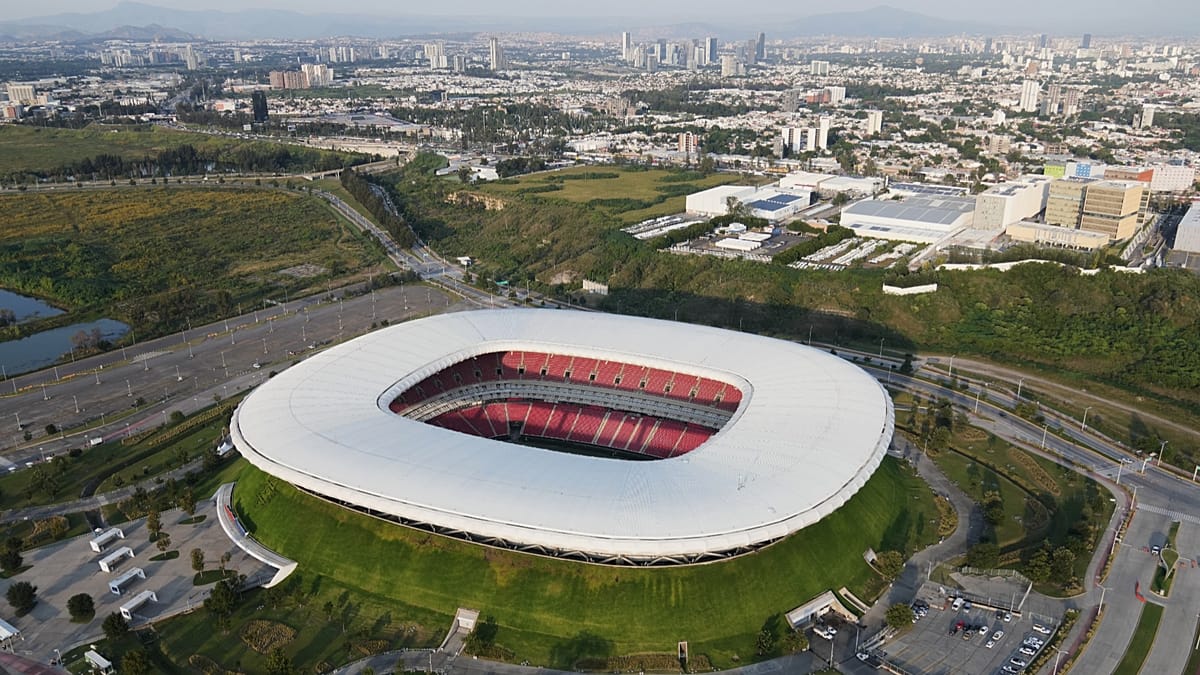
Estadio Akron, renamed Guadalajara Stadium for the tournament, will host four group-stage fixtures. The most anticipated for European audiences is likely Uruguay vs Spain on 26 June in Group H, but the venue's headline match is Mexico vs Korea Republic on 18 June. Other games include Korea Republic vs Czechia on 11 June and Colombia vs Congo DR on 23 June. The stadium, opened in 2010 and inspired by a volcanic landscape, seats around 48,000 and is located in the Zapopan district on the western edge of the metropolitan area.
Football and Sporting Culture
Football runs deep in Guadalajara. The city is home to Club Deportivo Guadalajara, known as Chivas, one of Mexico's most successful clubs. Their stadium has become a modern sporting icon. Beyond football, Guadalajara hosted the 2011 Pan American Games and the 2021 WTA Finals. It has produced global sports figures like Formula 1 driver Sergio Pérez, boxer Saúl Álvarez, and footballer Javier Hernández.
For European fans accustomed to compact city centres, Guadalajara's layout requires some planning. The historic centre is walkable, with colonial-era landmarks such as the twin-spired cathedral, the Government Palace, and the UNESCO-listed Hospicio Cabañas. The nearby town of Tlaquepaque offers artisan workshops and traditional architecture, while the town of Tequila, about an hour away, is a UNESCO World Heritage site with agave landscapes and historic distilleries.
The food scene is a major draw. Birria, a slow-cooked meat stew, and tortas ahogadas, crusty sandwiches in spicy tomato sauce, are local staples. Markets like Mercado San Juan de Dios provide authentic tastes, while modern restaurants are elevating Guadalajara as a gastronomic destination. Tequila tastings and distillery tours are among the most popular activities.
Transport within the city includes light rail, buses, and the Mi Macro Periférico rapid transit system. Guadalajara International Airport connects to the centre via taxi, rideshare, or public transport. On matchdays, fans should allow extra time due to traffic, especially for the Mexico vs Korea Republic fixture. The FIFA Fan Festival will offer live screenings, concerts, and cultural events in the city centre.
For European travellers, Guadalajara offers a distinct alternative to North American host cities. Its deep football heritage, vibrant culture, and culinary richness make it a compelling destination for the 2026 World Cup. As with any major event, early planning and flexible travel arrangements are advisable.