Germany's national railway operator, Deutsche Bahn, has announced a sweeping ban on alcohol consumption across all 5,400 stations on its network, set to take full effect by 15 October. The measure, which will be rolled out in phases, aims to enhance security and cleanliness for both employees and passengers, following a series of incidents linked to excessive drinking.
Phased Implementation and Exemptions
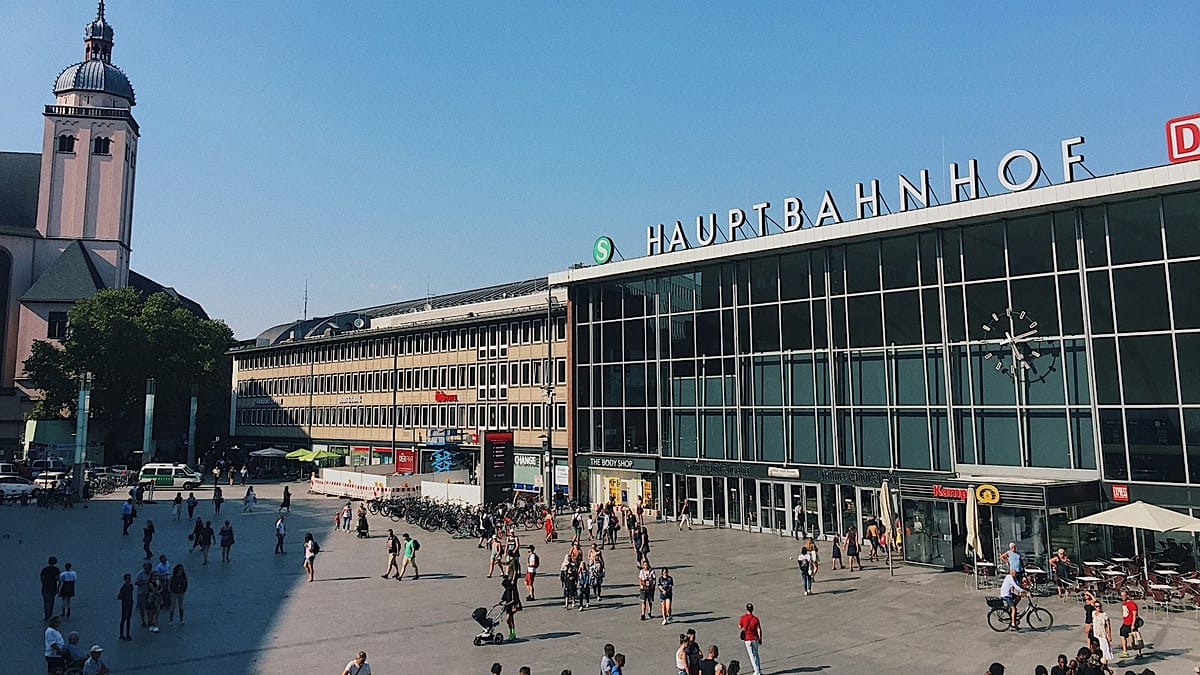
The ban has already been introduced at 30 stations, including major hubs in Cologne, Hamburg, and Munich. Berlin's central station (Hauptbahnhof) and Gesundbrunnen station will follow on 1 September, with the rest of the network to comply by mid-October. However, there are notable exemptions: station bars and restaurants will still be permitted to serve alcohol, and passengers may carry closed bottles or cans in their luggage or shopping bags. The ban does not apply aboard trains, where dining cars on long-distance services continue to sell alcoholic beverages.
Deutsche Bahn CEO Evelyn Palla stated, “We have observed too often that violence increases where too much alcohol flows.” She cited a recent “brutal and senseless attack” in which an intoxicated passenger allegedly beat and kicked a security staff member during a ticket check, causing the employee to fall out of a moving train door and sustain injuries.
Offenders who flout the ban will be ejected from stations, and repeat violators could face a permanent ban from the premises. The company hopes the policy will deter aggressive behavior and improve the overall travel experience.
This initiative comes amid broader efforts to modernize Germany's rail infrastructure and address public safety concerns. The country's rail network, a vital artery for both domestic and international travel, has faced scrutiny over delays and incidents. The alcohol ban is part of a package of measures to restore passenger confidence.
Germany's transport policy has been in the spotlight recently, with Chancellor Friedrich Merz reshuffling his cabinet ahead of key state elections, signaling a focus on infrastructure and security. The alcohol ban aligns with these priorities, though critics argue it may not address root causes of violence.
Deutsche Bahn's decision also reflects a broader European trend. Several countries, including France and the Netherlands, have implemented similar restrictions on public transport to curb alcohol-related incidents. However, Germany's scale—covering thousands of stations—makes this one of the most extensive bans in Europe.
The policy has drawn mixed reactions. Passenger advocacy groups have welcomed the focus on safety but caution against overreach. “We support measures that protect staff and travelers, but the exemptions for station bars show this is more about managing behavior than prohibiting alcohol entirely,” said a spokesperson for the German Passenger Association.
Meanwhile, the hospitality sector has raised concerns about potential revenue loss, though Deutsche Bahn insists that station bars and restaurants will remain unaffected. The company has not disclosed specific enforcement costs but plans to deploy additional security personnel during the transition.
As Germany prepares for the nationwide rollout, the ban underscores a growing tension between public order and personal freedoms in European transport hubs. For now, passengers traveling through Berlin, Hamburg, or Munich will need to adjust their habits—or risk being shown the door.