Travel to the Middle East has taken a severe hit following the US-Israel attack on Iran, with early estimates placing the cost to the tourism sector at €515 million per day. While a ceasefire in April and the anticipated signing of a Memorandum of Understanding between Iran and the US this week have prompted some cautious return, a major obstacle remains: insurance.
Foreign ministries across Europe issue travel advisories based on risks such as civil unrest, war, and terrorism. Travelling against such advice can void standard travel insurance entirely. Although the UK’s Foreign, Commonwealth & Development Office (FCDO) has downgraded its advisory for several destinations in the Gulf and wider Middle East, countries like France and Germany still advise against all but essential travel to the region. This patchwork of warnings creates a significant deterrent for European tourists.
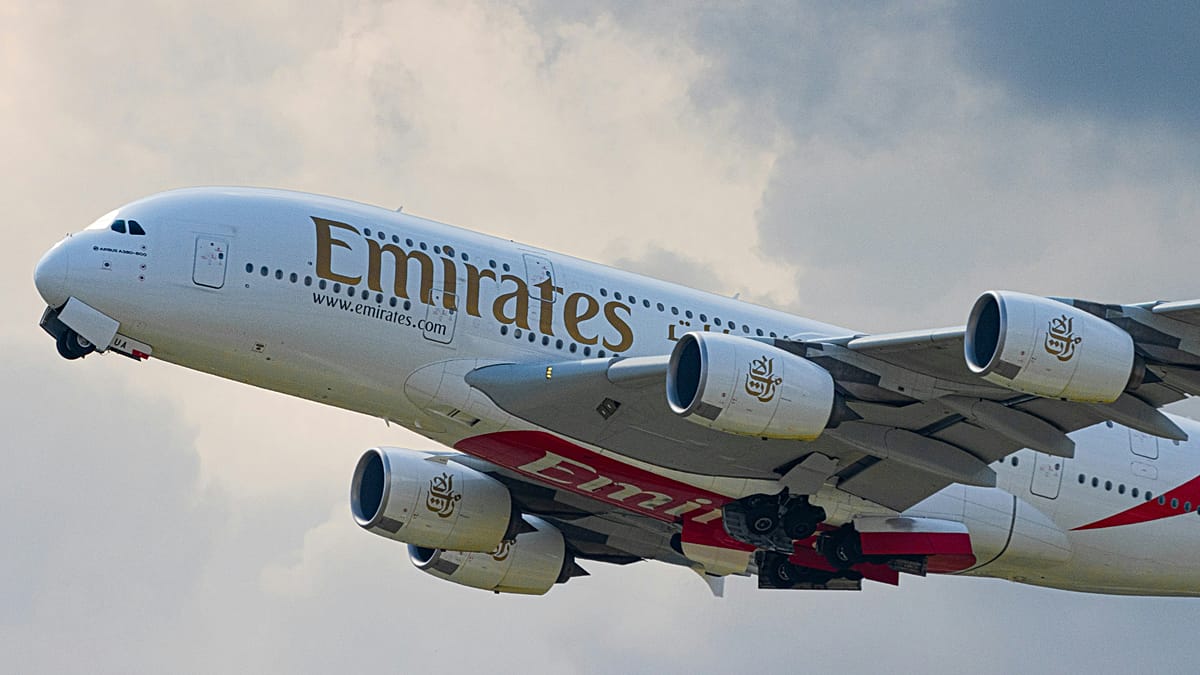
Two Gulf carriers have devised a pragmatic workaround. Etihad Airways, based in Abu Dhabi, is offering free medical travel insurance for international visitors arriving on its flights. Available from July 2026 until December 2026, the coverage applies for stays of up to 15 days in the UAE and is also valid for passengers using the airline’s stopover programme. Emirates, headquartered in Dubai, is offering comprehensive travel cover as a paid add-on for any flight booked through emirates.com. The policy includes rebooking onto another airline at no extra cost if a conflict causes a cancellation, a 30-day trip extension if passengers are unable to depart, and conflict-related medical expenses of up to US$25,000 (€21,800).
European Travelers Face Conflicting Advice
The divergence in national travel advisories across Europe complicates the picture. While the UK has relaxed its stance, the French Ministère de l’Europe et des Affaires étrangères and the German Auswärtiges Amt maintain stricter warnings. This inconsistency means that a traveller from Berlin may face invalidated insurance if they visit Dubai, while a Londoner would not. The carriers’ own insurance schemes effectively bypass this national-level caution, offering a safety net that standard policies cannot provide.
The broader context of UK easing Middle East travel warnings as European states remain cautious underscores the fragmented approach. Meanwhile, European airlines have been slow to resume Middle East flights despite the US-Iran deal, reflecting ongoing uncertainty among carriers and passengers alike.
The insurance schemes are a direct response to the collapse in demand. According to industry data, the tourism sector in the Gulf Cooperation Council states has lost billions of euros since the escalation of hostilities. The UAE, which relies heavily on tourism and transit traffic, has been particularly affected. Dubai International Airport, one of the world’s busiest hubs, saw passenger numbers drop sharply in the first quarter of 2026.
For European travellers, the new policies offer a degree of reassurance that was previously absent. However, they do not address the underlying security concerns that prompted the advisories in the first place. The interim Iran deal signed at Versailles aims to de-escalate tensions, but its long-term impact on travel remains uncertain.
Etihad’s free medical insurance is a particularly bold move, effectively underwriting the risk that European governments deem too high. Emirates’ paid option, meanwhile, provides a more comprehensive safety net for those willing to pay a premium. Both schemes are designed to rebuild confidence among international visitors, especially from Europe, which has traditionally been a key source market for Gulf tourism.
The success of these initiatives will depend on whether they can convince cautious European travellers to book flights. If the security situation stabilises further, the insurance may become a temporary marketing tool rather than a necessity. For now, it represents a creative attempt to bridge the gap between official warnings and commercial reality.