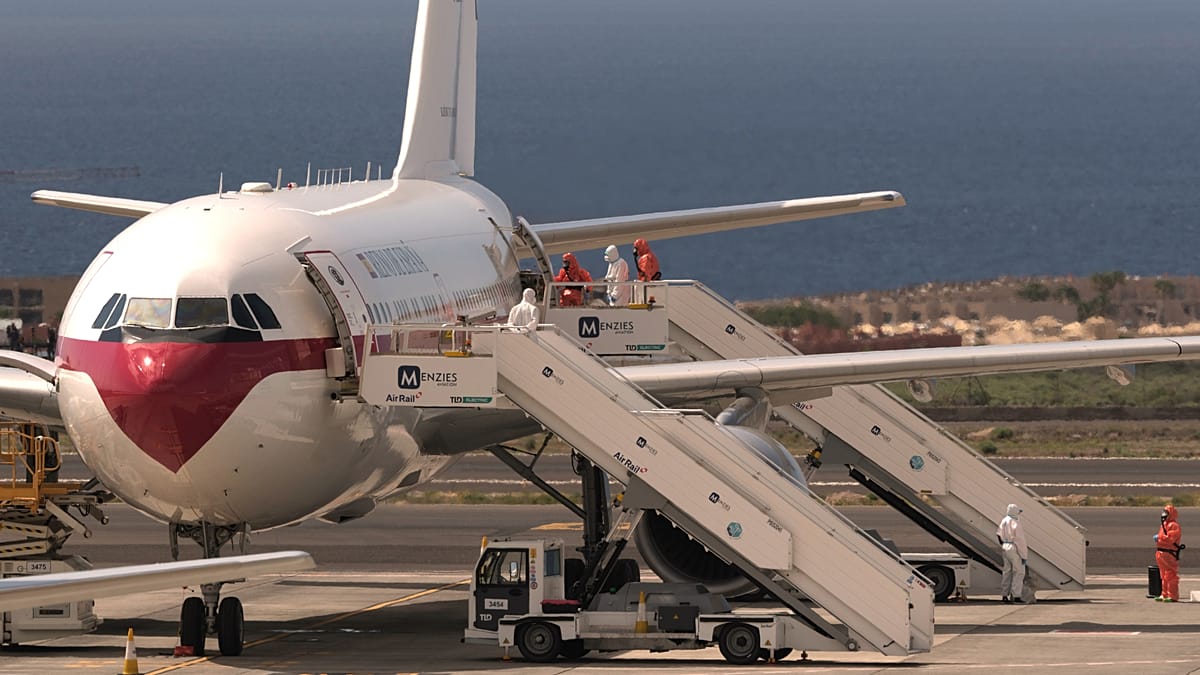
In the wake of a hantavirus outbreak aboard the MV Hondius cruise ship that infected several European passengers, EU member states are moving to tighten cross-border health coordination. The incident, which saw the vessel dock in Spain and passengers repatriated to their home countries, has triggered a series of emergency meetings among EU ambassadors in Brussels. Their goal: to establish comparable protocols for information sharing and response within the Schengen area.
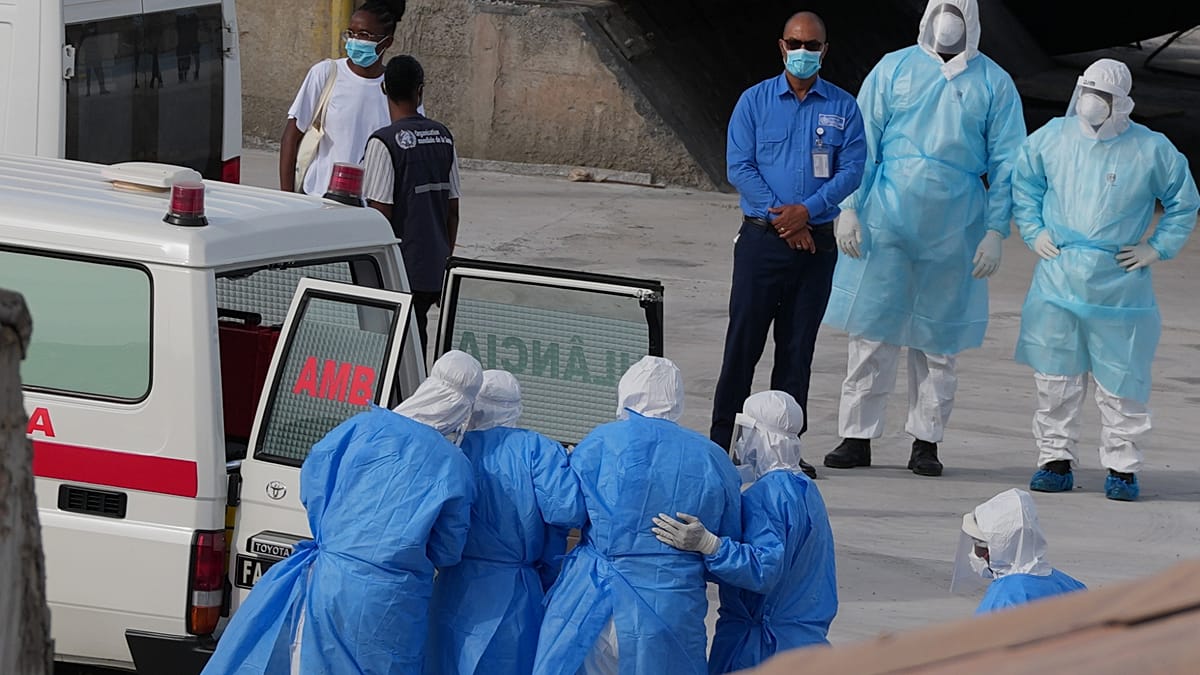
All passengers have now been transferred to their respective countries, where they are subject to national quarantine rules. The World Health Organization recommends strict supervision for 42 days from 10 May, but WHO Director-General Tedros Adhanom Ghebreyesus has emphasised that each country retains sovereignty to adapt these guidelines. As a result, protocols vary: Spanish passengers are isolated at the military hospital Gómez Ulla in Madrid, while those in the Netherlands and Belgium are self-isolating at home.
EU Coordination Mechanisms Activated
The outbreak has activated the EU's Civil Protection Mechanism, which Spain invoked to mobilise assistance among member states. Through this framework, France, the Netherlands, Greece, and Ireland have coordinated evacuation flights, with Tenerife South Airport serving as the operational hub. European Commissioner for International Partnerships Joseph Sikela noted that the outbreak “reminded us all of our vulnerability when it comes to health,” and stressed that “the frequency and intensity of disease outbreaks are increasing.”
European Commissioner for Preparedness and Crisis Management, Hadja Lahbib, added: “Health threats can easily cross borders, and that is why coordination is key.” The EU's Global Resilience Initiative, presented this week, aims to improve prevention and timely response to future health threats.
Gianfranco Spiteri, head of global epidemic intelligence at the European Centre for Disease Prevention and Control (ECDC), acknowledged the human toll: “We need to remember they have been on a boat for a month, not visited, and not seeing their loved ones.” He added that countries may decide on isolation locations based on medical facility availability, home quarantine conditions, and access to treatment. Two passengers—one in France and one in Spain—have shown symptoms during quarantine and are receiving hospital care.
Hantavirus Is Not COVID-19
Health experts have been at pains to distinguish hantavirus from SARS-CoV-2. Luke O’Neill, professor of biochemistry at Trinity College Dublin, told Euronews: “It is not like COVID at all, it is a different virus, a different disease course.” He advised the public not to worry, noting that the strain involved is the known Andes virus, not a new mutation. WHO epidemiologist Maria Van Kerkhove reassured: “This is not SARS-CoV-2. This is not the start of a COVID pandemic. This is an outbreak that we see on a ship.” She explained that hantavirus spreads through close, intimate contact, not airborne transmission.
The ECDC is now investigating how passengers were infected. Spiteri hypothesised that the first case likely contracted the virus while travelling in Argentina before boarding, and then transmitted it to others on board. The agency has confirmed there is no evidence of a new virus or strain.
For more on the local response, see Tenerife Residents Calm as Hantavirus-Linked Cruise Ship Docks. The incident has also intensified research efforts, as reported in Hantavirus Vaccine Race Intensifies After Deadly Cruise Ship Outbreak.
The EU's push for tighter cross-border health coordination reflects a broader recognition that infectious diseases do not respect national borders. As the bloc learns from this outbreak, the hope is that future responses will be faster, more uniform, and more effective.