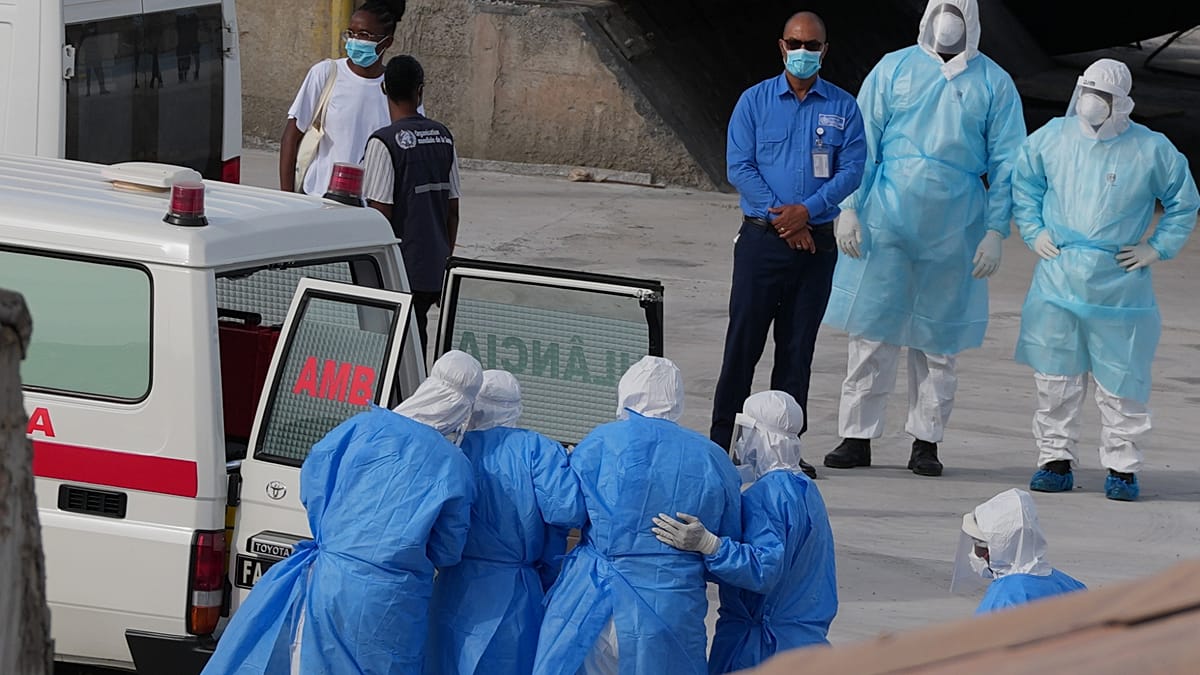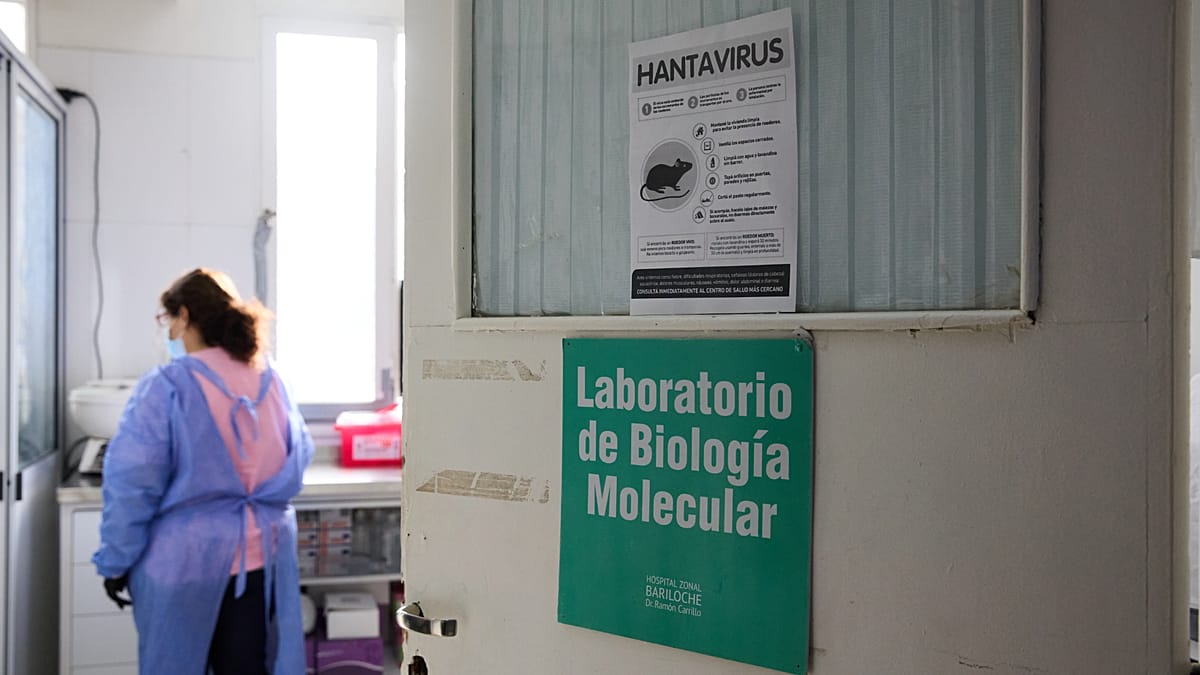
An outbreak of hantavirus on the Dutch-flagged cruise ship MV Hondius has killed three passengers and infected at least nine others, reigniting concerns about emerging viral threats. The World Health Organization (WHO) confirmed the cases as of 12 May, with all infections linked to the ship. The strain responsible is the Andes virus, a particularly severe member of the hantavirus family.
No vaccine or specific treatment currently exists for hantavirus, though early medical support can improve survival rates. The lack of a vaccine has prompted researchers at the University of Bath in the United Kingdom to accelerate work on a novel mRNA-based vaccine originally designed for a different hantavirus strain called Hantaan.
A Vaccine in Development
The University of Bath team, led by chemist Asel Sartbaeva, has developed a new antigen that has shown strong immunogenicity in animal tests. “It's a completely new antigen and … it shows very good immunogenicity against hantaan diseases,” Sartbaeva said. The vaccine uses a technology called ensilication, which stabilises the mRNA so it can be transported at higher temperatures than conventional mRNA vaccines, which often require freezing.
In 2024, the UK government awarded the team a contract to develop what could become the world’s first thermally stable mRNA vaccine against Hantaan virus. Sartbaeva explained that the technology has already allowed the vaccine to be stored at 2 to 8 degrees Celsius, up from the typical -70°C. “Our hope is obviously to make it thermally stable for room temperature transportation in the future,” she added.
The question now is whether the same antigen will prove effective against the Andes strain responsible for the cruise ship outbreak. Sartbaeva was cautious: “We don't know whether the antigen which we have developed will be useful against Andes (strain) at the moment. We're hoping that it will be, but obviously, until we have actually tested against the Andes virus, we will not know.”
No Need for Panic
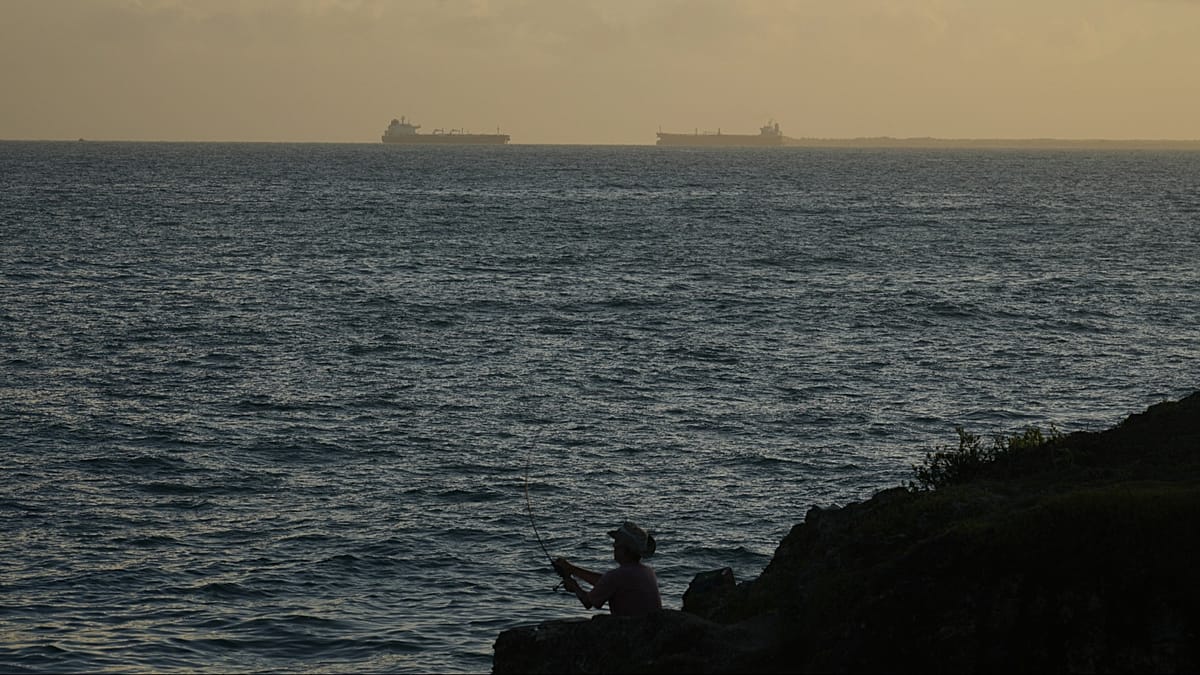
The outbreak on the MV Hondius, which had been sailing near the Antarctic Peninsula, has drawn comparisons to the COVID-19 pandemic, but experts stress that hantavirus is far less transmissible. The WHO has said there is “no sign” of a larger outbreak following the evacuation of the last passengers. Sartbaeva echoed this: “It has happened previously, it's just it's a very rare disease which doesn't get a lot of attention usually.” She noted that the ship’s isolation naturally limited further spread. “There shouldn't be panic at the moment. It's not like coronavirus. It's not like the pandemic we saw in 2020 because it's not a disease which transmits very easily.”
The origin of the outbreak remains unknown, though some reports have suggested a Dutch ornithologist may have been patient zero. Authorities in Ushuaia, Argentina, have denied any link to a local landfill. The ship has since docked in Tenerife, where residents have remained calm amid the health scare.
The race for a vaccine continues, with the University of Bath team hoping their technology can be adapted to address the Andes strain. For now, the focus remains on containment and monitoring, as European health authorities coordinate with the WHO to ensure no wider spread occurs.