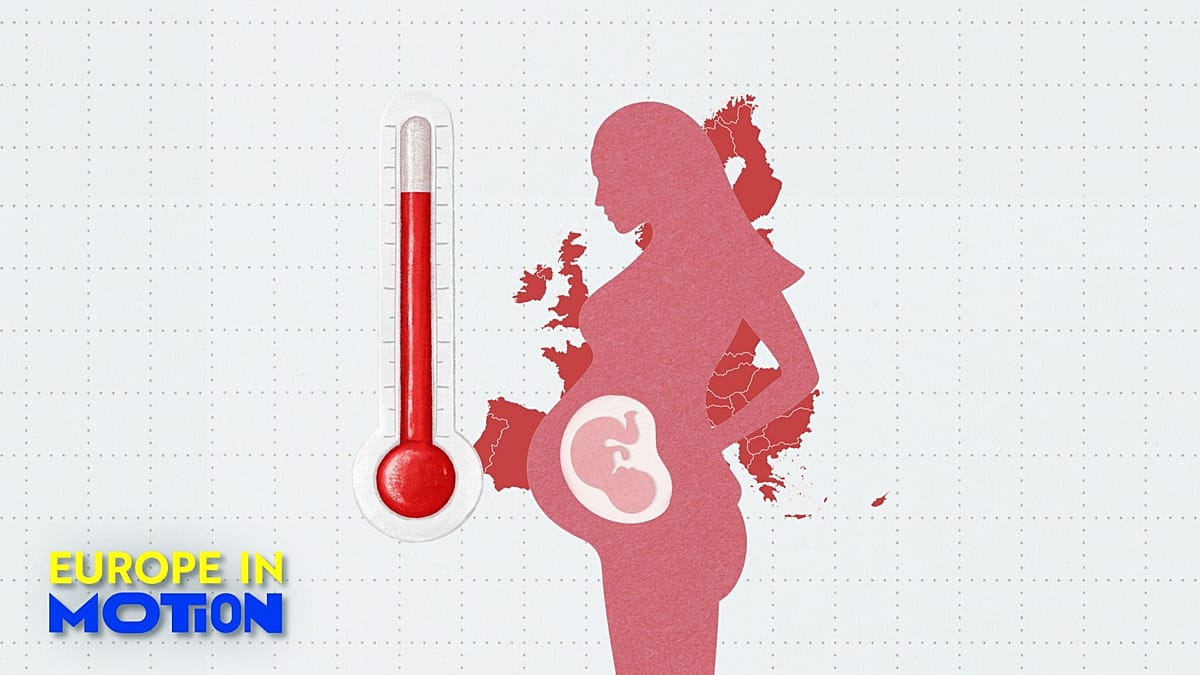
As Europe experiences more frequent and intense heatwaves—such as the unprecedented May event that pushed temperatures 10°C to 15°C above seasonal norms in parts of Portugal, Spain, and France—a growing body of research highlights a hidden health cost: the impact on pregnancy outcomes.
A comprehensive study published in Environment International analysed 36.6 million births during summer months across 250 towns and cities in 13 European countries, from Estonia to Italy and Spain, between 1979 and 2019. The findings are stark: heat is a significant environmental trigger for early labour, with an estimated 1.41% of all summer preterm births attributable to high temperatures.
Risk Increases with Heat Intensity
On moderately hot days, the risk of preterm birth rises by 2.8%; on days of extreme heat, it climbs to 3.8%. A baby born before 37 weeks faces higher mortality risks and potential lifelong health complications. The study underscores that heat does not affect all pregnant people equally.
Among the countries studied, Spain recorded the highest rate of heat-attributable preterm births: 1,080 per million during the warm season. The city of León was particularly affected. Italy followed with 974 per million, and Estonia with 814 per million. In contrast, Switzerland had the lowest rate at 628 per million, likely reflecting differences in climate, healthcare infrastructure, and socioeconomic conditions.
Vulnerability is shaped by factors beyond temperature. Young single mothers with lower levels of education and precarious socioeconomic situations face greater risk. The most sensitive gestational window for heat-induced preterm birth is between weeks 31 and 40.
How Heat Triggers Early Labour
Physiologically, heat raises body temperature and can induce uterine contractions. Dehydration disrupts the balance of essential minerals like calcium and magnesium, reduces blood flow to the placenta, and triggers inflammatory processes. These changes can compromise foetal development and accelerate cervical ripening.
The findings come as Europe grapples with a widening air-conditioning gap: 68% of EU homes lack cooling, a deficit that exacerbates heat exposure, especially for vulnerable populations. The study's authors call for targeted public health interventions, including early warning systems and cooling centres, particularly in southern and eastern European regions where heatwaves are becoming more severe.
As climate change drives more extreme weather—including larger hailstones and prolonged heat—the implications for maternal and child health are clear. Policymakers across the continent, from the Bundestag to the Élysée, must consider how urban planning, housing, and healthcare systems can adapt to protect the most vulnerable.