Eurozone leaders have selected Pablo Hernández de Cos, Spain's former central bank governor, to become the next president of the European Central Bank. The decision, reached at a summit in Brussels on Thursday, sets the stage for him to take over from Christine Lagarde in February 2027, pending formal approval from the European Parliament and the ECB's governing council.
Hernández de Cos, who led the Bank of Spain from 2018 until last year, is widely regarded as a cautious, technically minded policymaker. His appointment signals a desire for continuity and stability at the helm of the euro area's monetary authority, at a time when the bloc faces persistent price pressures and sluggish growth.
Inflation remains the central challenge
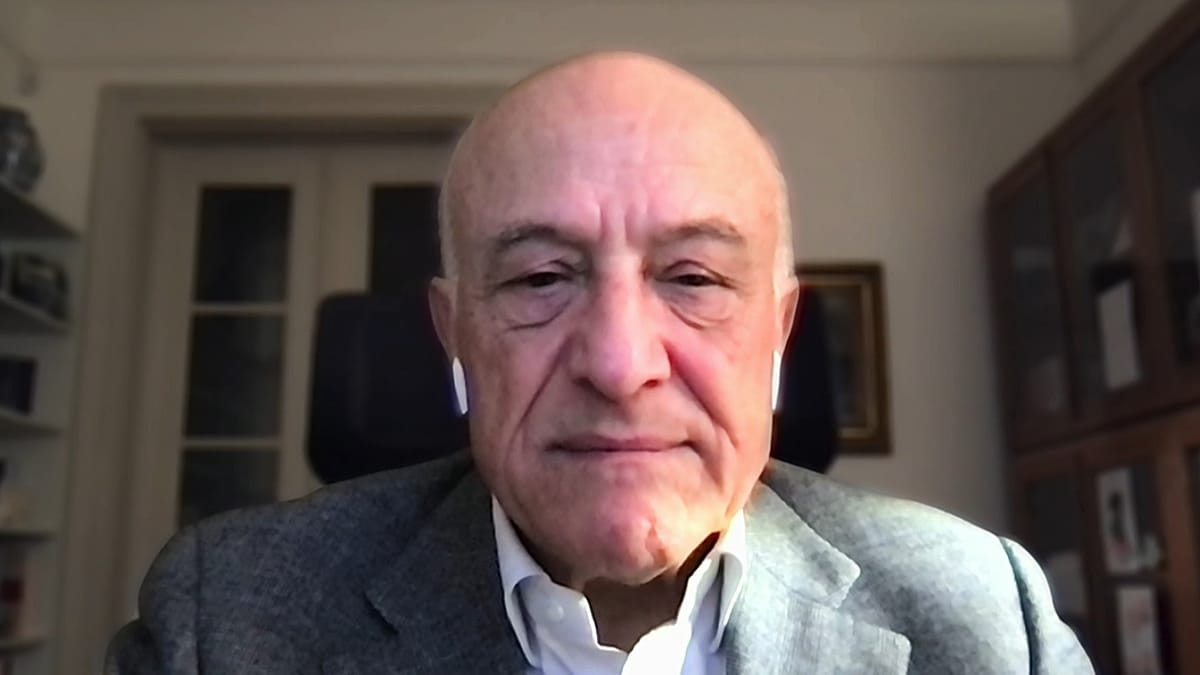
Francesco Papadia, a senior fellow at the Brussels-based think tank Bruegel, told Euronews that Hernández de Cos brings deep central banking expertise and a proven ability to build consensus among diverse national interests. But Papadia stressed that the incoming president's primary task must be to bring inflation back under control.
“The ECB should keep raising interest rates until price growth is firmly anchored at the 2% target,” Papadia said. “That is the only way to protect the purchasing power of Europeans and support long-term investment.”
Inflation in the eurozone has cooled from its 2022 peak, but it remains above the ECB's target, with recent data showing France's inflation easing to 2.9% in November, partly thanks to lower energy costs. Other member states, particularly in the Baltics and central Europe, continue to see higher price growth, complicating the ECB's task.
Hernández de Cos inherits an institution that has already raised rates aggressively, but some economists argue that further tightening may be necessary. Papadia's comments reflect a broader debate within the eurozone about how quickly to normalise monetary policy without choking off the fragile recovery.
A consensus-builder for a divided board
The ECB's governing council has often been split between “hawks” from northern countries like Germany and the Netherlands, who favour higher rates, and “doves” from southern states such as Italy and Spain, who worry about growth. Hernández de Cos, who spent years navigating Spain's banking crisis, is seen as someone who can bridge those divides.
His nomination also comes at a time when the EU is grappling with broader economic challenges, from the fallout of Russia's war in Ukraine to the need for massive investment in green and digital transitions. The ECB's decisions will shape how easily governments can finance those priorities.
Analysts note that Hernández de Cos will have to balance his inflation mandate with the ECB's secondary goals, including financial stability and supporting the EU's economic policies. His track record suggests he will approach this with caution, but also with a willingness to act decisively when needed.
The formal appointment process is expected to proceed smoothly, with the European Parliament likely to endorse him after a hearing. The ECB's governing council will also give its opinion, as required by the EU treaties.
For now, markets have taken the news in stride, viewing Hernández de Cos as a predictable choice. The euro edged higher against the dollar on Friday, reflecting confidence that the ECB will maintain its credibility under his leadership.
As the eurozone looks ahead to 2027, the new president's first challenge will be to convince markets and citizens alike that he can deliver price stability without derailing growth. Papadia's warning is clear: inflation must come first, even if that means more painful rate hikes in the short term.



