Three years ago, at an agricultural expo in Izmir, Turkey, artificial intelligence in farming was mostly about inventory management, tucked away in booths far from the shiny tractors. Today, the picture is very different. AI has moved to the forefront of agricultural innovation, promising to reshape how Europe grows food.
1. Smarter crop monitoring
Traditionally, farmers relied on intuition and experience to judge how pests and diseases might affect their crops. Now, drones and satellite imagery feed computer-vision models that can detect fungal infections or insect infestations long before the human eye can spot them. These systems recommend targeted use of crop protection products, reducing chemical use and improving effectiveness. When combined with soil sensors, the data becomes even more powerful.
This shift is particularly relevant as Europe debates the future of pesticide use. The EU's Farm to Fork strategy aims to cut pesticide use by 50% by 2030, and AI-driven monitoring could be a key tool in achieving that goal.
2. Accurate yield forecasting
Yield forecasting has always been a guessing game, but AI is changing that. Syngenta, the agrochemical giant, has developed a generative AI model that claims 95% accuracy in predicting yields, along with recommendations for seed placement. This matters because farmers need to plan logistics well in advance. Accurate forecasts allow them to coordinate with retailers and transport companies, reducing waste and losses.
The economic value of such information is substantial. A study by agricultural economists at Virginia Tech, commissioned by the US National Corn Growers Association, estimated that the USDA's World Agricultural Supply and Demand Estimates reports are worth roughly $301 million (€259 million) annually to the corn market alone. While that study focused on the US, similar dynamics apply in Europe, where commodity markets are equally sensitive to supply forecasts.
3. Robots in the field
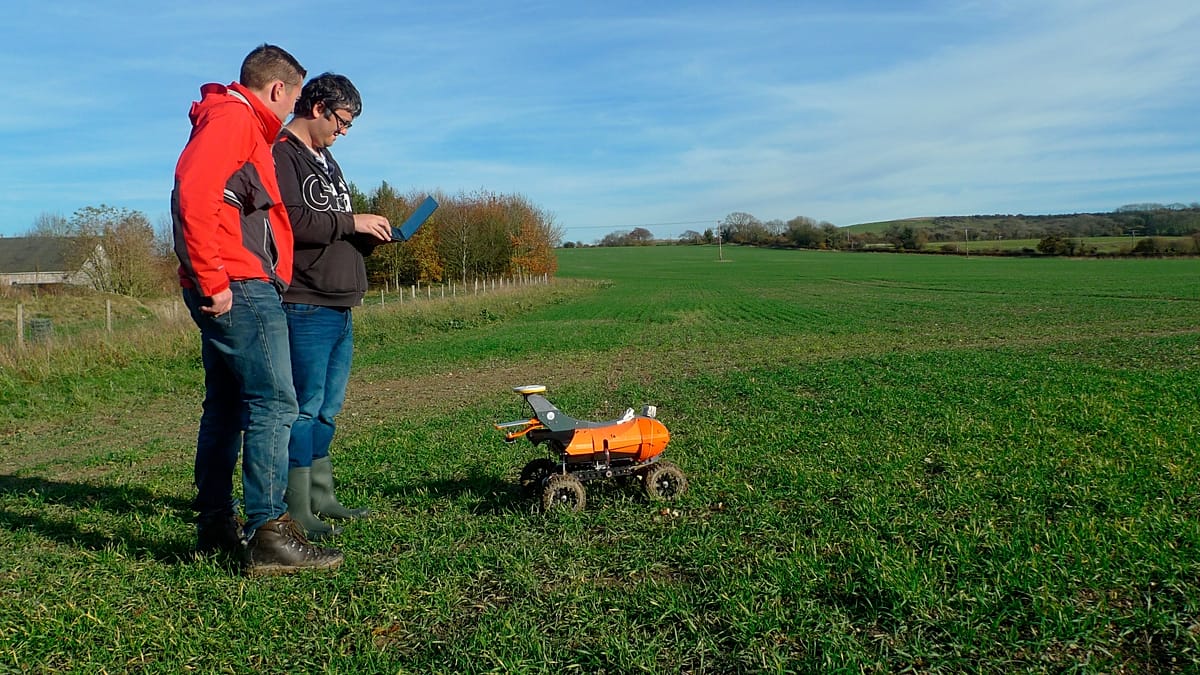
Robotics is booming in agriculture, and not just for autonomous tractors. John Deere has been pushing toward fully driverless tractors, but the more striking example is Carbon Robotics' LaserWeeder. This machine uses 24 lasers, 36 cameras, and 24 NVIDIA GPUs to identify and zap up to 10,000 weeds per minute across more than 100 crop types. It's trained on 150 million labeled plant images from machines already operating in 15 countries, including several in Europe.
These robots offer a chemical-free alternative to herbicides, which is increasingly attractive given regulatory pressure and consumer demand for sustainable farming. In the EU, where glyphosate remains controversial, such technology could become a standard tool.
4. Precision irrigation
Irrigation is a science, and AI is making it more precise. Sensor-fusion systems that combine soil moisture, canopy temperature, and weather forecasts are cutting water use by around 30% while sometimes increasing yields. A documented case in Indian sugarcane fields paired a 30% water reduction with a 40% yield gain, and similar systems are being tested in water-stressed regions of southern Europe, such as Spain and Italy.
Variable-rate spraying systems are also gaining ground. They apply pesticides only where needed, reducing chemical volumes and creating audit trails that help with regulatory compliance. This is particularly relevant as the EU tightens rules on pesticide use and reporting.
5. Livestock monitoring
As farms grow larger, monitoring animal health becomes harder. AI-powered systems use computer vision and wearable sensors, such as accelerometers and biometric monitors, to detect signs of illness days before visible symptoms appear. This allows farmers to intervene early, reducing antibiotic use and improving animal welfare.
This is crucial in Europe, where there is rising regulatory and retailer pressure to cut antibiotic use in meat and dairy production. The EU's new veterinary medicines regulation, which came into force in 2022, restricts the preventive use of antibiotics, making early detection more valuable than ever.
These five areas show that AI is not just a buzzword in agriculture—it's a practical tool that can help European farmers become more efficient, sustainable, and resilient. As the technology matures, its adoption is likely to accelerate, transforming the continent's countryside in the process.