Azerbaijan has long been associated with hydrocarbons, but the country is now working to reshape its economic identity. While oil and gas remain central to state revenues, Baku is channelling resources into manufacturing, agriculture, logistics, tourism and renewable energy in an effort to build a more resilient and sustainable economy.
Speaking on the Business Horizons programme, Yasin Jalilov, Deputy Director of the Azerbaijan Business Development Fund (ABDF), highlighted the country's macroeconomic stability and diversification strategy as key advantages for foreign investors. He pointed to agro-food processing, green energy and pharmaceuticals as particularly promising sectors.
“We are seeing a clear shift in how Azerbaijan positions itself internationally,” Jalilov said. “Investors are no longer looking at us solely as an energy supplier, but as a hub for industry and innovation.”
Industrial parks drive export growth
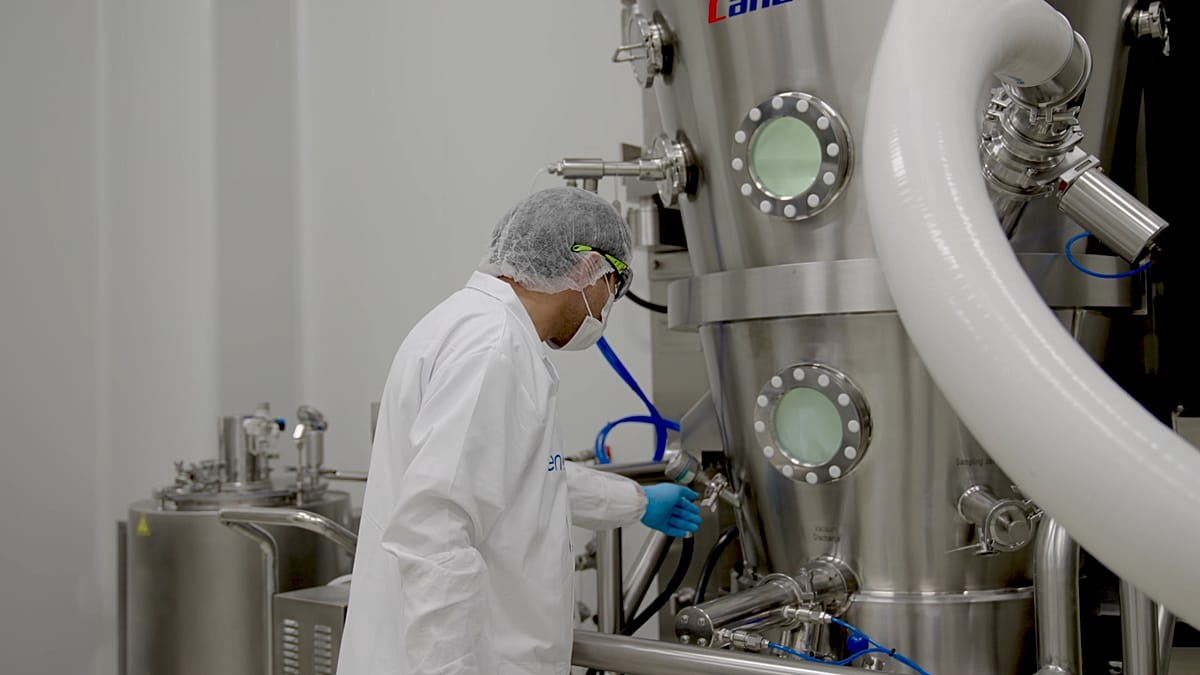
One of the most tangible signs of this transition is the performance of the Sumgait Chemical Industrial Park, located about 30 kilometres northwest of Baku. In the first half of 2025, sales at the park exceeded €572 million, with exports accounting for nearly €283 million. The park hosts a range of producers, from polymer and chemical manufacturers to construction materials and pharmaceuticals.
The success of Sumgait has encouraged the government to expand its network of industrial zones. The Aghdam Industrial Park, established in the recently liberated territories, is attracting investment in textiles, food processing and construction materials. Similarly, the Mingachevir Industrial Park, in the country's central region, is focusing on light industry and logistics.
These parks are part of a broader effort to reduce the economy's dependence on oil revenues. According to the State Statistical Committee, non-oil exports grew by 12% in the first seven months of 2026, with agricultural and agro-industrial products leading the way. Between January and July 2026, agricultural exports rose by almost 23% compared with the same period the previous year.
Green energy and digital transformation
Renewable energy is another pillar of Azerbaijan's diversification strategy. The country has set ambitious targets to increase the share of renewables in its installed capacity to 30% by 2030. Several international companies, including Masdar from the United Arab Emirates and ACWA Power from Saudi Arabia, are developing solar and wind projects in the Caspian region.
The government is also promoting digital transformation as a cross-cutting enabler. The ABDF, for instance, has simplified access to financing for entrepreneurs through online platforms, reducing paperwork and approval times. This digital push is intended to make it easier for small and medium-sized enterprises to start and scale up.
Logistics is another area where Azerbaijan sees potential. The country's location on the Trans-Caspian International Transport Route, also known as the Middle Corridor, positions it as a key link between China and Europe. Investments in the Baku International Sea Trade Port and the Baku-Tbilisi-Kars railway are aimed at increasing cargo volumes and reducing transit times.
Challenges remain
Despite these efforts, the transition away from oil is not without obstacles. The economy remains sensitive to fluctuations in global energy prices, and the non-oil sector's share of GDP is still modest. Moreover, the country's institutional environment and rule of law are often cited by international observers as areas needing improvement to attract long-term investment.
Nevertheless, the government's commitment to diversification appears genuine. The recent rare summit in Baku that brought together rival Middle Eastern and Asian leaders underscored the country's ambition to play a more prominent role in regional diplomacy and trade.
For European investors, Azerbaijan offers a relatively stable and accessible entry point into the wider Caspian and Central Asian markets. The country's proximity to the EU, combined with its improving infrastructure and a young, educated workforce, makes it an attractive destination for manufacturing and services.
As the global economy shifts towards cleaner energy and digital services, Azerbaijan's ability to adapt will be closely watched. The next few years will determine whether the country can truly move beyond oil and build a diversified, future-ready economy.