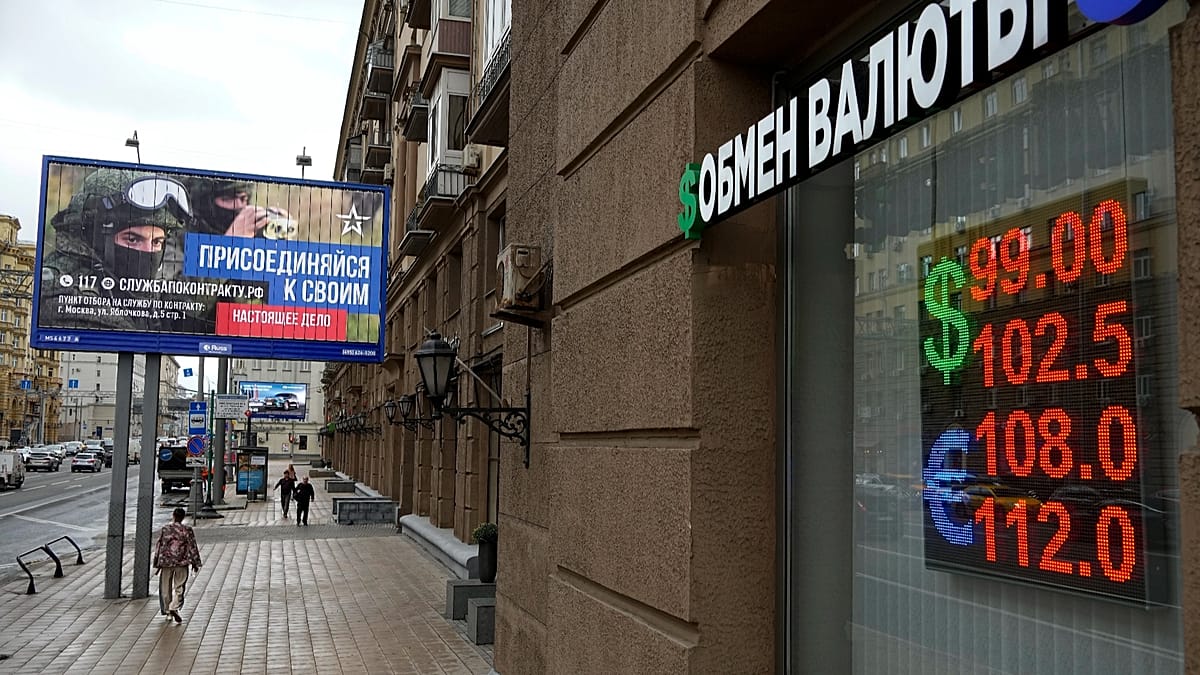
For months, Belarusian social media has been flooded with adverts that appear out of place: between posts about selling vegetables or finding a tutor, users see offers to join the Russian army for a “high salary, benefits and Russian citizenship.” The campaign, documented by DW, TVNET, CityDog and Current Time, is not a random phenomenon but a systematic effort by Moscow to replenish its forces in Ukraine.
The human rights initiative Belpol has catalogued dozens of such adverts, many using Belarusian phone numbers to build trust. They promise one-off payments of 4.35 million roubles (roughly €45,000), rapid Russian passports, help with loans, and even the “annulment of criminal convictions.” Some go further, offering to “sort out problems with the law” – a particularly dangerous lure, given that Belarusian law criminalises mercenary activity with up to seven years in prison.
Who signs up and why
Research by independent outlets suggests that the majority of recruits are men from small towns and villages, often with low incomes, debts, or existing legal troubles. Many do not fully grasp the consequences. “They see quick money and a way out of their problems,” says a researcher familiar with the recruitment patterns. “They don't realise they will be sent to the most dangerous sectors of the front.”
Human rights activists point out that foreign contract soldiers are frequently placed in assault units, where casualty rates are particularly high. The recruitment process is simple: a person sees an ad, contacts the recruiter via a Belarusian number, and is then guided through rapid paperwork and travel to Russia – most often via Smolensk or Pskov. Once the contract is signed, there is almost no way back.
For those who sign, the risks extend beyond the battlefield. They face criminal liability in Belarus, possible loss of citizenship, and restrictions on their rights. Many end up as “cannon fodder” in a war they barely understand, as one human rights activist put it.
Minsk's complicity and the Union State
The Lukashenka regime officially denies that recruitment is taking place, but it does nothing to stop it. Belarus is heavily dependent on Russian subsidies, and openly confronting the Kremlin is not an option. Meanwhile, domestic mobilisation measures are being stepped up, adding pressure on men of conscription age.
The legal framework of the Union State – a treaty that formally grants equal rights to citizens of Russia and Belarus – gives Moscow extra room for manoeuvre. Russian institutions are trying to spin this as “equal obligations,” including compulsory military service. The Institute for the Study of War (ISW) warns that such an interpretation could become a basis for pressuring Belarusians into mobilisation.
This recruitment drive is part of a broader Kremlin strategy to expand its manpower pool, as highlighted by recent EU military aid to Ukraine. It exploits Belarus's information isolation and political dependence, turning the country into a source of soldiers for a war that many Belarusians do not support.
Belarusian society has reacted with alarm. Complaints about mass spam-recruitment are common, but the Interior Ministry offers little response. Some men have turned to the authorities, only to be ignored. The regime's silence is telling: it prefers to let Moscow operate freely rather than risk losing financial support.
The consequences are already visible. Human rights groups report an increase in Belarusian casualties in Ukraine, often buried quietly. The recruitment campaign is not just a humanitarian issue; it is a test of Belarus's sovereignty and a reminder of how the Kremlin uses legal and economic leverage to achieve its military goals.
As the war grinds on, the flow of Belarusian recruits is unlikely to stop. Moscow's ability to tap into this pool depends on Minsk's continued dependence and the desperation of its citizens. For many, the promise of a Russian passport and a way out of poverty is a powerful lure – even if it means risking their lives in a foreign conflict.