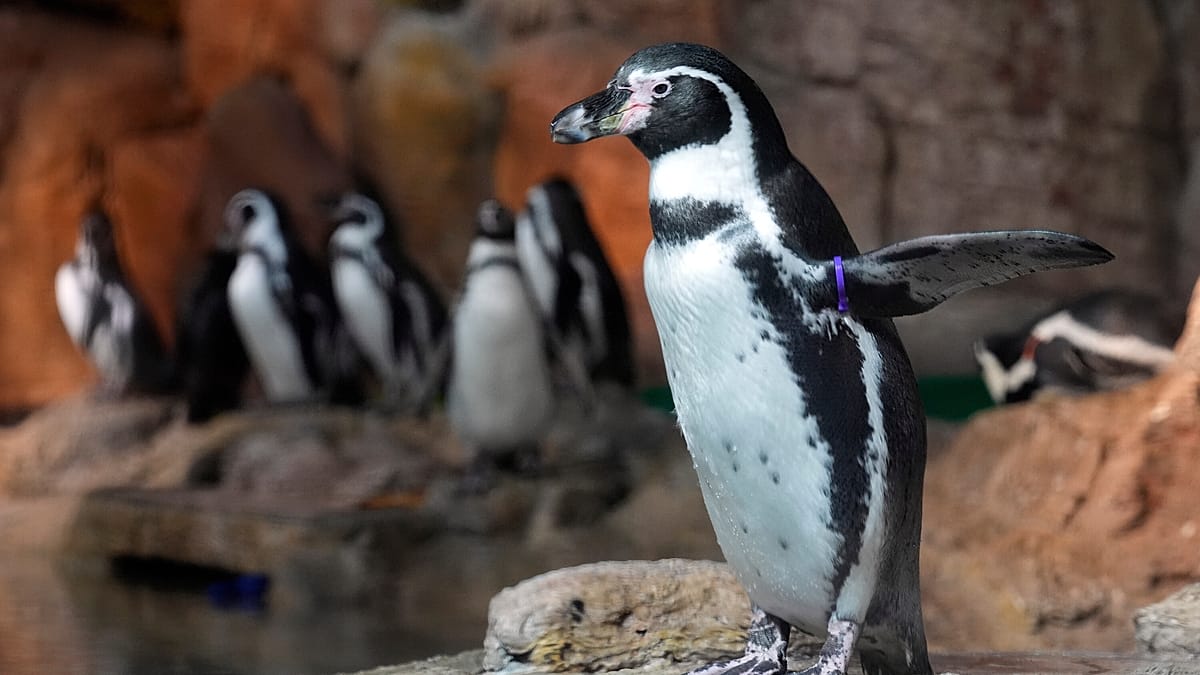
At a wildlife rehabilitation centre on Chile's central coast, a novel approach is helping injured Humboldt penguins get back on their feet. The birds, many of them victims of fishing nets, oil spills, or natural predators, are now being fitted with tailored recovery vests designed to shield their wounds and keep them from picking at surgical stitches.
The vests, made from soft, breathable fabric, are custom-measured for each penguin. They wrap snugly around the bird's torso, covering injuries without restricting movement or natural preening. According to veterinarians at the centre, the garments have significantly reduced healing times and complications, as the penguins can no longer reach their sutures with their beaks.
A simple solution with a big impact
“Before the vests, we had to constantly monitor the birds to ensure they didn't reopen their wounds,” said Dr. María Fernanda López, a veterinarian leading the rehabilitation programme. “Now they can move more freely, and we can focus on their recovery rather than on damage control.”
The idea emerged from a combination of veterinary expertise and a bit of creativity. The team initially experimented with modified pet clothing, but found that penguins have a different body shape and require a more precise fit. The current design, developed in collaboration with a local textile workshop, has been refined over several months.
Humboldt penguins are classified as vulnerable by the International Union for Conservation of Nature. Their population has declined due to overfishing, habitat loss, and climate change affecting the Humboldt Current, which runs along the coasts of Chile and Peru. Conservationists say that every individual saved matters for the species' long-term survival.
The rehabilitation centre, located near the port city of Valparaíso, receives dozens of penguins each year. Many arrive with injuries from boat propellers or from being caught in fishing lines. After treatment, the birds are released back into the wild once they are fully healed and able to hunt on their own.
“The vests are just one part of a broader effort,” said López. “We also work with local fishermen to reduce accidental captures and to report injured animals. It's a community effort.”
While the story comes from South America, it resonates with European audiences who follow wildlife conservation. Similar rehabilitation techniques have been used in Europe, for example in the UK and France, where seabirds like puffins and guillemots are fitted with protective gear during recovery. The approach underscores a growing trend in veterinary medicine: using simple, low-tech solutions to improve animal welfare.
For now, the penguins in Chile are making steady progress. The centre reports that several birds have already been released, their vests removed and their wounds fully healed. The team hopes to publish their findings in a veterinary journal to help other rehabilitation centres adopt similar methods.
As the Humboldt penguin faces mounting pressures, such innovations offer a glimmer of hope. They also remind us that conservation often requires both big-picture thinking and hands-on care for individual animals.