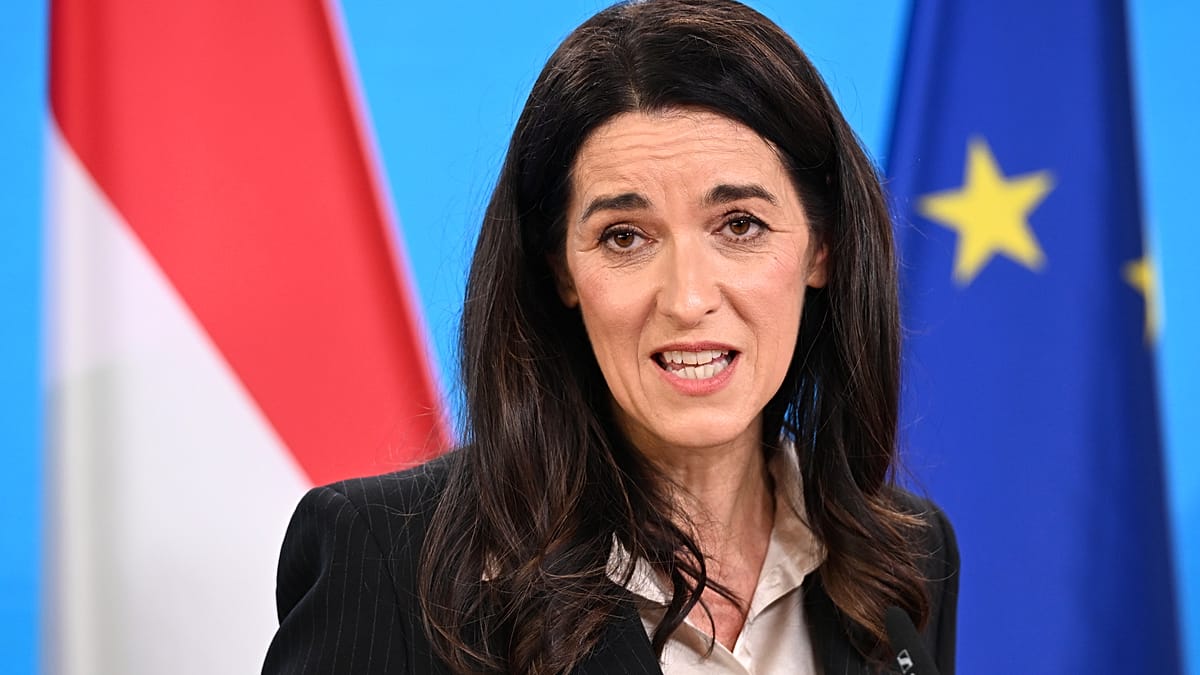
Budapest has ordered ten Russian diplomats to leave the country, citing activities that the Hungarian government describes as “unacceptable for diplomats.” The announcement, made by Foreign Minister Anita Orbán on social media, marks a notable departure from the previous administration's approach to Moscow.
“The Ministry of Foreign Affairs informed the Russian ambassador in Budapest that, according to our assessment, 10 employees of the Russian mission engaged in activities in Hungary that are unacceptable for diplomats under the Vienna Convention,” Orbán wrote. She added that Hungary had called on those concerned to leave, but stressed that diplomatic relations with Russia would not be severed. “Hungary intends to continue the necessary dialogue, based on mutual respect and compliance with the rules,” she said.
The government has not publicly detailed the alleged misconduct, and officials have not confirmed whether espionage was involved. However, the move follows years of mounting concern over Russian intelligence operations in Hungary, which experts say have flourished during the long tenure of former Prime Minister Viktor Orbán, who maintained close ties with President Vladimir Putin.
Last week, the Russian investigative outlet Agentstvo reported that at least 15 of the 47 staff at the Russian embassy in Budapest have links to Russian intelligence, with a further six suspected of similar connections. The report underscored long-standing worries that Hungary has become a hub for Russian spying in Central Europe.
In 2022, the investigative outlet Direkt36 revealed that Russian intelligence services, including the FSB and GRU, had hacked the Hungarian foreign ministry's IT system, gaining access to sensitive data for several years. The government initially denied the breach but admitted two years later that it had occurred.
Prime Minister Péter Magyar, who came to power after a landslide election victory in April, has pledged to end close cooperation with the Russian regime. The expulsion of the diplomats is seen as a clear signal of that policy shift.
Moscow vows a harsh response
Russian Foreign Ministry spokeswoman Maria Zakharova told journalists on Tuesday that the response to Hungary’s decision “will be harsh and painful,” and described the move as the work of the “Russophobic lobby in Budapest.” Her comments reflect the Kremlin's displeasure with the new Hungarian government's stance.
Foreign policy expert and former diplomat István Szentiványi told Euronews that the expulsions were directly linked to espionage and represented a clear break with the past. “The expulsion of 10 diplomats is a very strong and clear signal that Hungary does not want to be the centre of Russian intelligence-gathering in Central Europe,” he said.
The development comes as the European Union continues to grapple with Russian hybrid threats, including Berlin's plans for a digital shield against such activities. Hungary's move also aligns with broader EU efforts to counter Russian influence, such as sanctions against Russians over child deportations from Ukraine.
While the expulsion is a significant step, analysts note that Hungary's intelligence services may still face challenges in dismantling the networks established over the past two decades. The government has not yet responded to requests for comment on whether further measures are planned.
The expulsions have also drawn attention to the wider European context, where several countries have taken similar actions against Russian diplomats in recent years. The move is likely to be welcomed by Hungary's EU partners, who have often criticized Budapest for its lenient attitude toward Moscow.