Hungary is facing an alarming surge in syphilis infections, with the disease now spreading faster than any other sexually transmitted infection in the country. The latest data from the National Public Health and Pharmaceutical Centre (NNGYK) reveals that in the final quarter of 2025 alone, 747 new cases were registered—516 outside the capital and 231 in Budapest. More concerning, by 12 November the authorities had confirmed 144 cases of congenital syphilis, of which 31 resulted in death: 26 foetuses died in the womb and five newborns succumbed shortly after birth.
A regional outlier
Hungary's infection rate is six times higher than Romania's and 20 times higher than Croatia's, according to the European Centre for Disease Prevention and Control (ECDC). The country also leads the European Union in congenital syphilis cases: in 2024, it reported 42 infections among foetuses and newborns—more than any other member state. Bulgaria followed with 30, while 14 EU countries recorded none at all.
The trend is stark. NNGYK figures show reported syphilis cases in Hungary jumped from 777 in 2020 to 2,462 in 2025. The most affected counties include Bács-Kiskun, Szabolcs-Szatmár-Bereg, Jász-Nagykun-Szolnok and Heves.
Why the outbreak is so dangerous
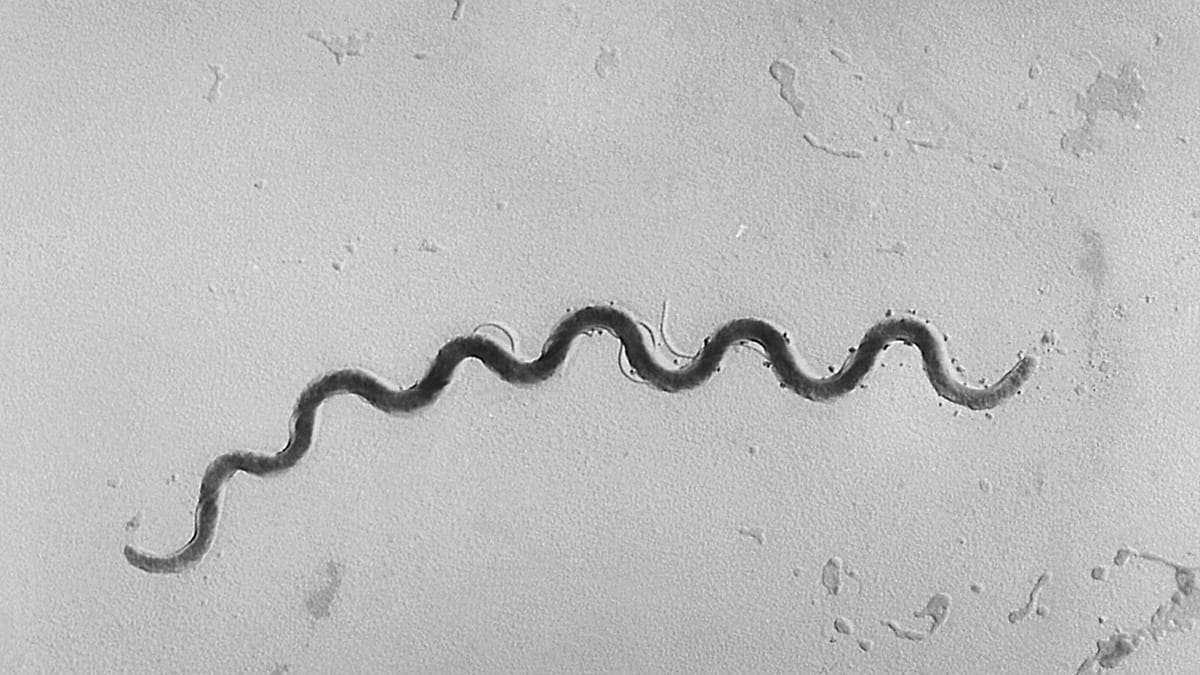
Syphilis, caused by the bacterium Treponema pallidum, is often silent. A painless ulcer may appear and then disappear without treatment, leading many to believe they are cured. But the infection persists, and if left untreated it can eventually damage the nervous system, heart and blood vessels. The disease is particularly devastating for pregnant women: the bacterium can cross the placenta, causing miscarriage, stillbirth or severe illness in the newborn.
According to NNGYK data from September 2026, 91 newborns were diagnosed with congenital syphilis last year—a rate of 126 per 100,000 live births, more than double the World Health Organization's target of 50 per 100,000. In the first eight months of 2026, a further 100 cases were already registered.
Late detection and missed screenings
A study by Semmelweis University, published earlier this year, analysed 180 pregnant women with syphilis between 2015 and 2025. It found that 75% of infections were only recognised in the second or third trimester, and 94% of the women had no symptoms at diagnosis. Late enrolment in antenatal care and patients dropping out of follow-up were key obstacles.
This pattern explains why Hungary's epidemic is not just about the number of infections—it is also a failure of prenatal screening. In many cases, there is simply not enough time to prevent the infection from reaching the foetus.
New national protocol
In response, the NNGYK issued a new national protocol in 2026 for the examination and treatment of pregnant women and their partners. The rules mandate syphilis screening in the first trimester, followed by a repeat test for all pregnant women between the 24th and 28th weeks. For women who have not attended antenatal care, rapid testing will be offered at birth.
Health experts welcome the move but stress that implementation is key. "The protocol is a step forward, but it will only work if women actually come in for care early and if clinics have the resources to follow up," said a public health specialist in Budapest, speaking on condition of anonymity.
A historical shadow
Syphilis is not new to Hungary. Known locally as vérbaj, it afflicted the poet Endre Ady, the painters Mihály Munkácsy and Toulouse-Lautrec, and the composer Franz Schubert. Some historians even suspect it contributed to the death of Ignác Semmelweis, the pioneer of antiseptic procedures.
Today, the disease is entirely curable with penicillin, making early detection all the more critical. The challenge for Hungary is to ensure that screening reaches every pregnant woman, regardless of where she lives or how late she seeks care. As the numbers show, the cost of inaction is measured in lives lost before they have even begun.