At this year's Cannes Lions International Festival of Creativity, the conversation turned to how brands are navigating a media landscape reshaped by artificial intelligence, internet culture, and the unpredictable nature of viral moments. Among the executives sharing their insights was Dorothée Gardon, Global Marketing Strategy & Integrated Media Director at IKEA, who spoke about the Swedish company's approach to innovation, affordability, and staying true to its identity in an era of constant digital noise.
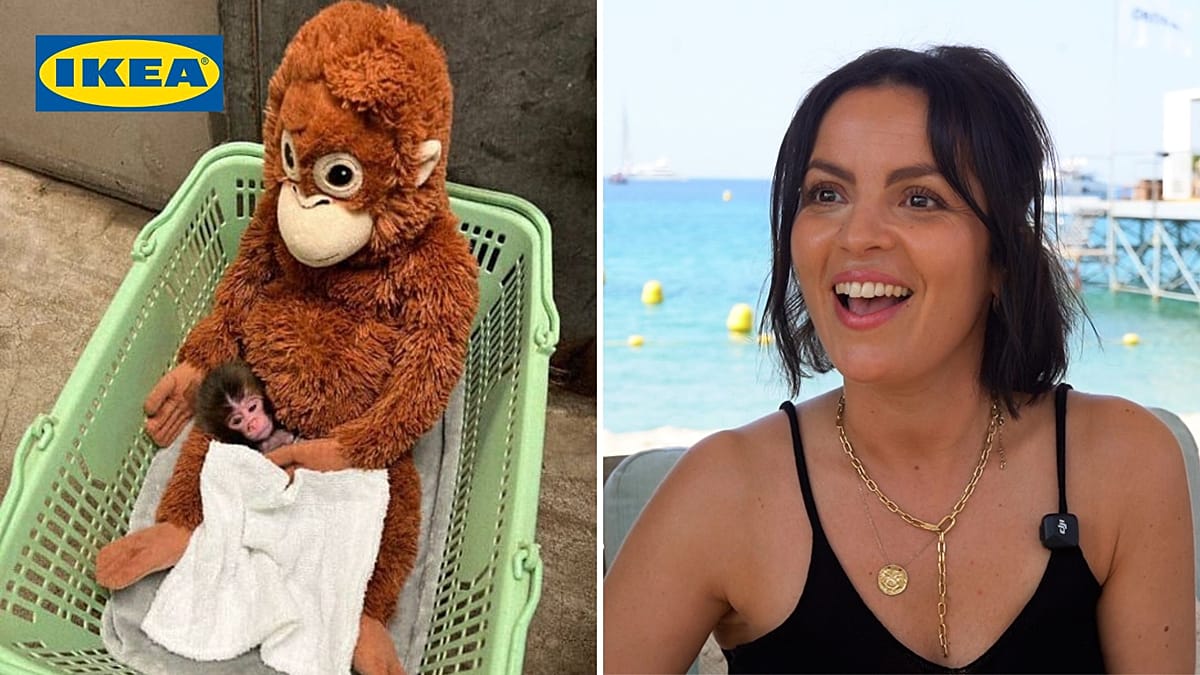
One of the most striking examples of IKEA's recent viral success came earlier this year, when a tiny Japanese macaque named Punch was filmed carrying an IKEA Djungelskog orangutan plush toy. The clip spread across social media platforms, amassing millions of views and driving a notable spike in sales of the toy across multiple markets. IKEA's social media team quickly responded with its own content, capitalizing on the moment without losing the brand's playful yet grounded character.
AI as a Tool, Not a Replacement
Gardon described AI as a "wonderful amplifier" of creative talent, but stressed that it cannot substitute human intelligence. "We believe, I believe personally, that AI is wonderful at creating valuation, but it cannot replace the intelligence that comes from the human brain," she said. IKEA is working with its agency partner Dentsu to build capabilities that accelerate creative output while maintaining brand safety, particularly as AI-generated content can sometimes produce unexpected results—what Gardon called "hallucinations."
The company's creative process always begins with designers, not algorithms. "When it comes to the creative content that we do, it always starts with the human brain," Gardon explained. "We don't want to have AI as the starting point." Instead, AI is used for tasks like personalization at scale, allowing IKEA to tailor its messaging to different audiences without losing the core brand DNA—playfulness, simplicity, and what Gardon described as a "twinkle in the eye."
Staying Affordable in an Inflationary Europe
For a brand that has built its reputation on democratic design, affordability remains non-negotiable. Gardon noted that IKEA has always chosen to be "on the side of the people, the ones with a thin wallet." In a continent where inflation and rising energy costs have squeezed household budgets, the company is committed to maintaining everyday low prices without compromising on quality or design. This positioning is particularly relevant as European consumers become more price-sensitive, a trend that has been widely reported across the EU.
Gardon also addressed the challenge of avoiding brand fatigue. "One of the things we always try to avoid is jumping on every single trend, because not every trend is relevant for our brand," she said. The Punch campaign succeeded because it aligned with IKEA's values—it was cheeky, simple, and authentic. The video was filmed on an iPhone behind the company's office parking lot, a far cry from the polished productions typical of many global campaigns. "We do not chase sophistication, we chase simplicity," Gardon added.
Looking ahead, Gardon outlined a vision focused on using data from IKEA's 200 million Family members to enhance customer experiences in a privacy-safe way. The goal is to become more relevant to existing customers while attracting new ones, all while navigating the complexities of a media environment where viral moments can emerge from anywhere—even a monkey with a plush toy.
For more on how brands are adapting to digital disruption, see our coverage of Gulf Banks Embrace AI but Face Data Control Challenges and The Viral 'Hot Podium Guy': Tobias Gough, the Unlikely Constant in UK Political Chaos.