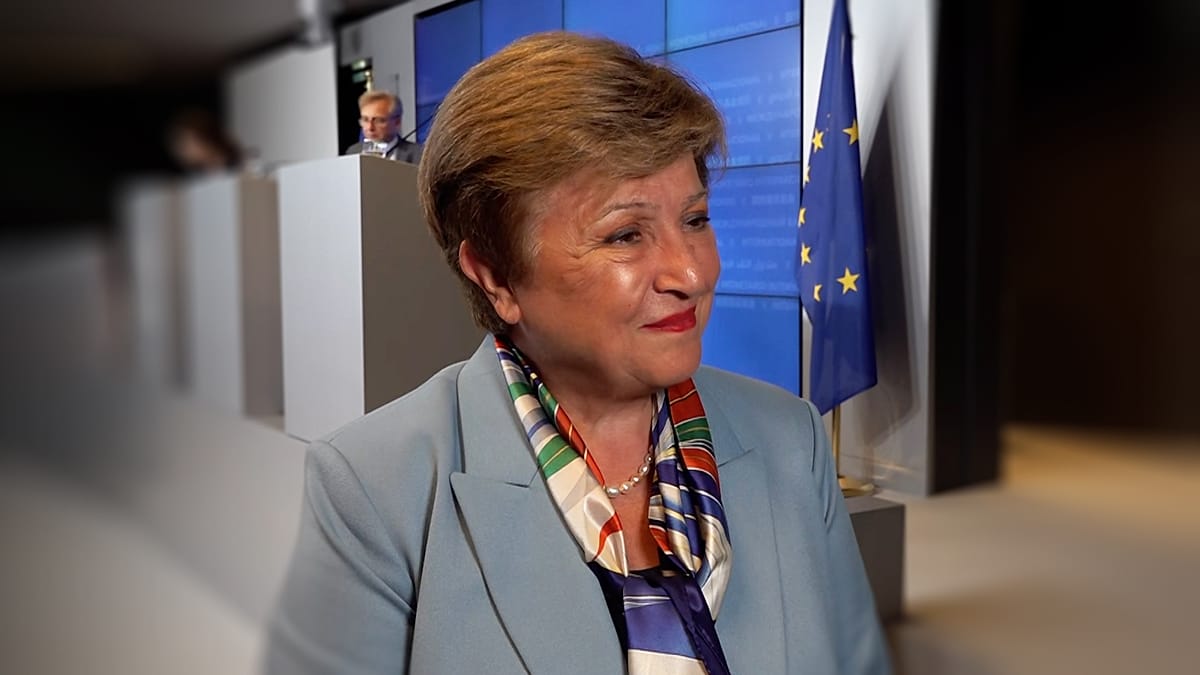
Kristalina Georgieva, Managing Director of the International Monetary Fund, has delivered a stark assessment of Europe's economic trajectory, warning that conditions have deteriorated and calling for a coordinated investment strategy across the continent. Speaking in Washington, she announced that the IMF is now downgrading its growth projections for the region while simultaneously uplifting its inflation forecasts, a dual adjustment that underscores the fragility of the recovery.
A Worsening Outlook for Europe
Georgieva's remarks come as the eurozone faces persistent headwinds from high energy costs, supply chain disruptions, and the lingering effects of Russia's war in Ukraine. The IMF chief noted that the economic environment has become more challenging, with weaker demand and stubbornly high prices eroding household purchasing power and business confidence. The downgrade reflects a broader reassessment of global growth, but Europe's exposure to energy shocks and its reliance on exports make it particularly vulnerable.
The IMF's updated forecasts, due for release in the coming weeks, are expected to show a sharper slowdown in Germany, France, and Italy, while smaller economies in Central and Eastern Europe may also face headwinds. Georgieva emphasized that the situation demands a collective response, not piecemeal national measures. 'Europeans must invest together and wisely,' she said, urging EU member states to pool resources for strategic priorities such as digital transformation, green energy, and defence.
The Case for Joint Investment
Georgieva's call echoes earlier warnings from the IMF about the risks of fragmented fiscal policies. In a recent report, the Fund cautioned against further relaxation of EU fiscal rules, arguing that coordinated investment would be more effective than uncoordinated national spending. The EU's own fiscal framework, currently under review, faces pressure to balance discipline with flexibility. The IMF chief's intervention suggests that Brussels should prioritize joint borrowing and investment programmes, similar to the NextGenerationEU recovery fund, to address structural weaknesses.
This approach aligns with the views of investors managing €11.4 trillion, who have urged the EU to maintain a strong carbon market and accelerate green investments. Georgieva's emphasis on 'wisely' investing implies a focus on projects with high long-term returns, such as renewable energy infrastructure, digital networks, and research and development. She also hinted at the need for defence spending, a topic that has gained urgency as European nations grapple with the cost of replacing US military assets, which the EU's defence chief recently estimated at €500 billion.
Inflation and the Cost of Living
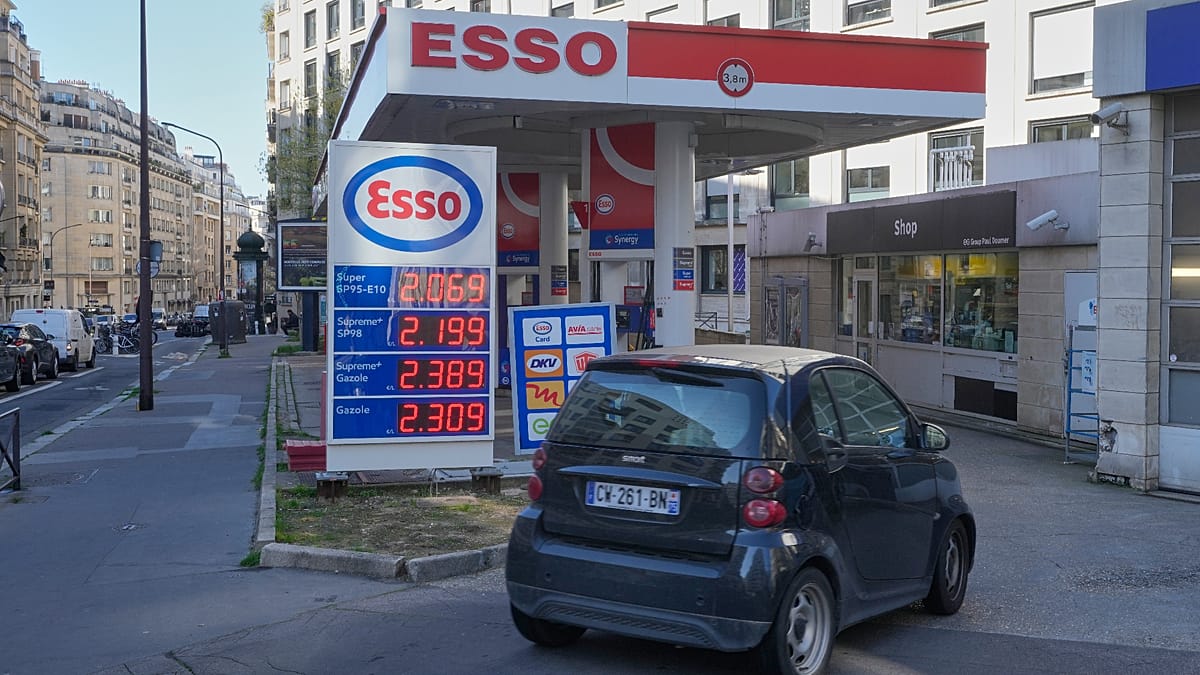
The IMF's upgraded inflation forecasts add to the pressure on European households and businesses. While inflation has moderated from its 2022 peaks, core prices remain sticky, particularly in services and housing. A recent EU report highlighted that soaring housing costs are pushing more Europeans into homelessness, a crisis that Georgieva's investment call could help address through social housing and energy efficiency programmes.
Georgieva's message is clear: Europe cannot afford to go it alone. The continent's economic future depends on its ability to act as a unified bloc, leveraging its collective strength to overcome shared challenges. As the IMF prepares to release its full World Economic Outlook, the spotlight will be on EU leaders to heed her advice and forge a common path forward.