The International Monetary Fund has issued a stark warning to euro area governments: resist the temptation to further loosen fiscal rules in response to the energy crisis, and instead focus on improving budget balances. In its annual assessment of the euro area economy, released on Thursday, the IMF cautioned that additional relaxation would undermine the credibility of the existing fiscal framework and risk pushing debt onto an even steeper trajectory.
“Further relaxation of fiscal rules risks undermining the credibility of the framework and placing debt on an even higher path,” the IMF wrote. The warning comes as several EU member states, particularly those hardest hit by soaring energy prices, push for greater flexibility within the bloc’s fiscal rules. An excessive deficit procedure already allows for defence spending up to 1.5 percent of GDP, but some countries want to redirect that capacity to energy relief.
High-Debt Countries Under Pressure
Italian Prime Minister Giorgia Meloni has been at the forefront of calls for more leeway. In a late May letter to European Commission President Ursula von der Leyen, Meloni requested additional flexibility to tackle the energy crisis. The Commission responded last week by permitting a transfer of up to 0.3 percent of the 1.5 percent defence allocation to energy measures, but only within the current framework.
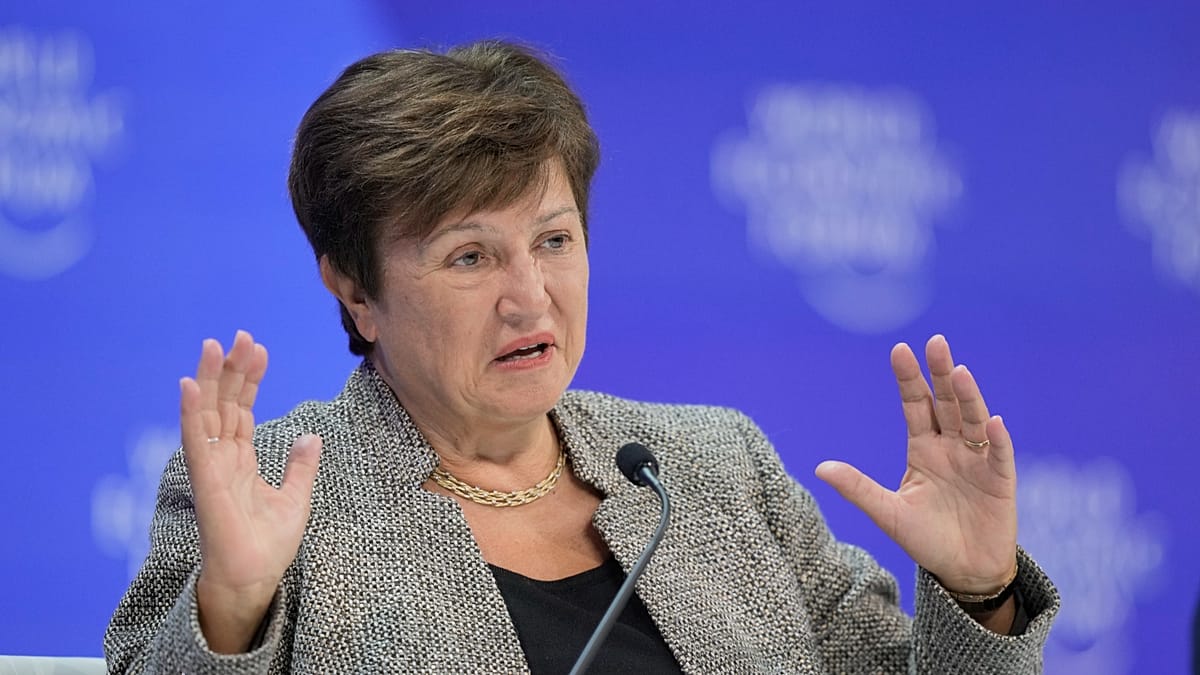
IMF Managing Director Kristalina Georgieva stressed the need for discipline. “Shock upon shock has led to fiscal action to defend consumers and businesses, and that has created, unfortunately, an expectation that when there is a shock, there will be support extended,” she told journalists. “We have been cautioning that we are in a more shock-prone world. We should expect that there will be more shocks to come, and we should be very careful how we deploy scarce public resources.”
The IMF’s assessment singles out high-debt countries like Italy for extra effort. Excluding Germany, the Fund recommends improving the structural primary balance by about 3 percentage points of GDP between 2025 and 2031—an additional 1.3 percentage points beyond baseline projections, largely for nations with elevated debt levels. This implies a more aggressive consolidation path than currently planned.
“Structural fiscal adjustment over the medium term remains imperative,” the statement reads, urging euro area governments to reduce deficits and, where possible, increase surpluses. The IMF calls for a comprehensive strategy combining expenditure reprioritisation, improved spending efficiency, entitlement reforms, and growth-enhancing measures to boost revenue.
The warning arrives as the European Central Bank raised interest rates by 0.25 percent on Thursday, with further hikes expected. Inflation continues to rise and growth is slowing, compounding the challenges for policymakers. The ongoing war in the Middle East has also hit European importers heavily reliant on oil and gas, adding to the strain.
For context, the IMF’s stance aligns with broader concerns about fiscal sustainability in the euro area. As previous analysis has shown, the bloc’s fiscal rules are already under strain from multiple shocks. The Fund’s message is clear: while short-term support may be politically appealing, the long-term health of the euro area requires restraint and structural reform.
Georgieva’s comments underscore the IMF’s view that Europe must prepare for a future of repeated crises. “We should expect that there will be more shocks to come,” she said, urging governments to avoid creating expectations of perpetual bailouts. The IMF’s advice is particularly pointed for Italy, which faces the highest debt-to-GDP ratio in the euro area after Greece.
As the debate over fiscal rules continues in Brussels, the IMF’s intervention adds weight to the argument for discipline. The Commission’s recent move to allow limited flexibility within existing rules may be a compromise, but the Fund warns that even that must be used sparingly. For now, the ball is in the court of national governments, especially those with high debt, to chart a credible path toward consolidation.