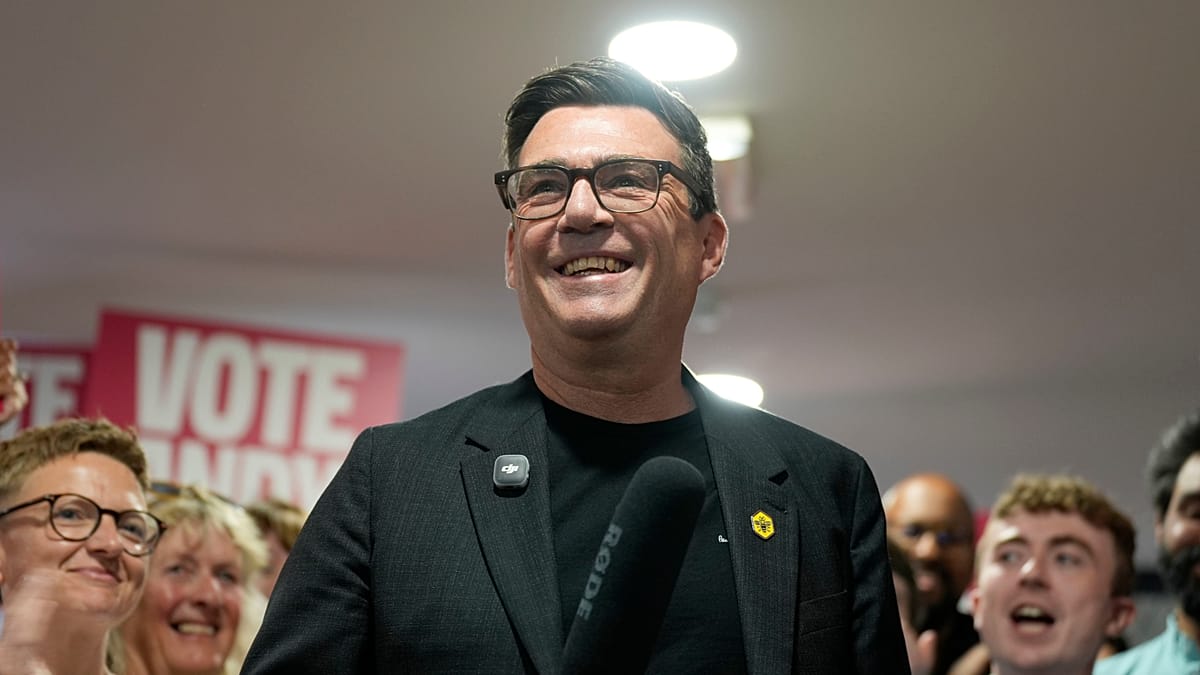
Residents in the Greater Manchester constituency of Makerfield are casting their ballots today in a by-election that could have far-reaching consequences for the United Kingdom's political landscape. The vote, which opened at 7 am and closes at 10 pm on Thursday, is widely seen as a potential springboard for Andy Burnham, the mayor of Manchester, to mount a challenge to Prime Minister Keir Starmer's leadership of the Labour Party.
The by-election was triggered after the previous MP, Josh Simons, stepped down to clear the path for Burnham. Simons made the decision following Labour's poor performance in the May local elections, which intensified pressure on Starmer and sparked calls for his resignation. In an interview with the BBC, Simons described it as the "most difficult decision" of his life but added that it was "too big an opportunity to miss." He explained, "We were heading for a leadership election with the Labour Party split into different factions, and there was no hope, no energy that anything would change."
Burnham's Return to Westminster
Burnham, a former Labour MP and cabinet minister under Gordon Brown, has served as the directly elected mayor of Greater Manchester since 2017. His return to Westminster is seen by many Labour MPs as the party's best chance to recover from the May electoral setback. However, he faces stiff competition from the right in this by-election. Nigel Farage's Reform UK and Rupert Lowe's Restore Britain party are both fielding candidates, with a strong focus on immigration policy.
Shortly after polls opened, Farage posted a video on social media framing the election as a choice between Reform candidate Robert Kenyon and "open borders Andy Burnham." This rhetoric taps into a broader European debate about migration, which has become a central issue in many national elections across the continent. For more on how migration policies are shaping European politics, see our analysis on Europe's Labour Shortages and Migration Crackdown: A Contradiction at the Core.
Burnham's stance on the European Union and Brexit has also drawn significant attention during the campaign. He previously called for the UK to rejoin the bloc, a position that has been fiercely debated in recent months, but he has since distanced himself from those comments. This shift reflects the delicate balancing act that many British politicians face on the issue, as public opinion remains divided.
The outcome of the Makerfield by-election will be closely watched not only in the UK but across Europe, as it could signal a shift in the political dynamics of one of the continent's major powers. If Burnham wins, he is expected to quickly position himself as a leadership contender, potentially triggering a contest that could reshape the Labour Party and the UK's political direction. For a deeper look at what a Burnham leadership might mean, read our piece on Andy Burnham Returns to Westminster, Poised to Challenge Starmer's Leadership.
The by-election also highlights the broader trend of populist and anti-immigration parties gaining traction in European elections. From the rise of the far-right in France and Germany to the recent Swiss vote on population caps, migration remains a potent issue. For context on how these dynamics play out elsewhere, see our coverage of Swiss Voters Reject SVP Plan to Cap Population at 10 Million.
As the count begins after polls close, all eyes will be on Makerfield. The result could determine not just the next MP for this Greater Manchester constituency, but quite possibly the next prime minister of the United Kingdom.