Indian Prime Minister Narendra Modi is executing a carefully calibrated diplomatic offensive across Europe, blending EU-wide trade negotiations with targeted bilateral agreements in key capitals. The strategy reflects New Delhi's recognition that Brussels sets the regulatory framework, but individual member states hold the keys to specific industrial and strategic partnerships.
From The Hague to Stockholm: A Two-Tier Approach
Over the weekend, Modi met with Dutch Prime Minister Rob Jetten in The Hague. The Netherlands is India's third-largest trading partner within the EU, with bilateral trade approaching €26bn ($28bn). The immediate prize: a €10.2bn ($11bn) semiconductor deal between Tata Electronics and Dutch firm ASML to build a microchip plant in western India. This is a textbook example of Europe's 'China plus one' strategy, as Western companies rush to diversify supply chains away from Beijing.
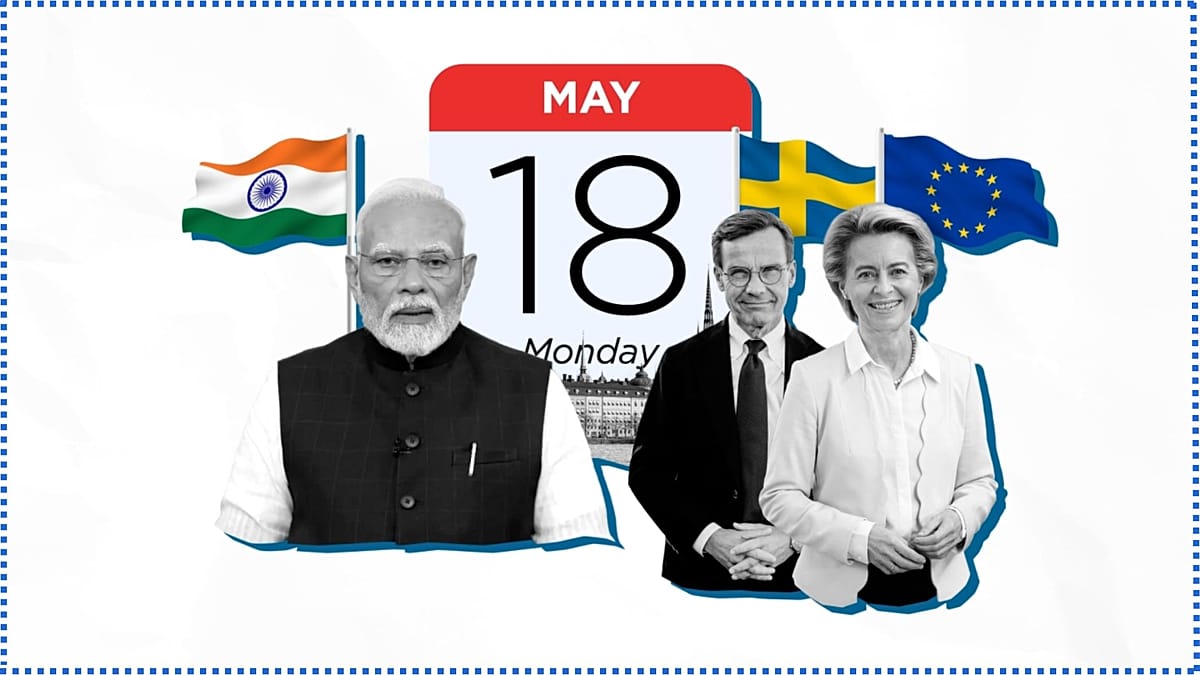
The focus then shifts to Sweden. On Monday, 18 May, Modi will meet Prime Minister Ulf Kristersson and European Commission President Ursula von der Leyen at the European Round Table for Industry in Stockholm. While capitals like Stockholm provide India with specific tech, defence, and green transition deals, Brussels provides the regulatory alignment and tariff cuts needed for the European market. This dual-track approach mirrors the EU's own internal dynamics, where five EU states have resisted Brussels' centralized grid plans, preferring regional solutions.
On Tuesday, 19 May, Modi attends the India-Nordic summit in Oslo, engaging Nordic leaders on clean energy and Arctic shipping routes opened up by climate change. The Nordic countries, with their expertise in renewable energy and maritime technology, are natural partners for India's green transition ambitions.
The grand tour concludes on Wednesday, 20 May, in Rome with Prime Minister Giorgia Meloni. The two leaders will focus on maritime security and a joint action plan for legal migration channels—a topic of increasing importance as Europe grapples with demographic shifts and labour shortages.
Why This Matters for Europe
India's two-tier strategy is a pragmatic response to the EU's complex governance structure. By engaging both Brussels and national capitals, New Delhi maximizes its leverage. The EU-India Free Trade Agreement, signed earlier this year, provides the overarching framework, but the real value lies in the bilateral deals that address specific national interests.
For European businesses, the semiconductor deal with the Netherlands is a significant win. ASML, the world's leading supplier of photolithography equipment, will help India build a domestic chip ecosystem, reducing reliance on East Asian supply chains. This aligns with the EU's broader goal of strengthening its own tech sovereignty amid pressure from US and Chinese tech giants.
The Nordic summit underscores the growing importance of the Arctic as climate change opens new shipping routes. India, as a major trading nation, has a vested interest in the region's stability and governance. The clean energy discussions also complement the EU's Green Deal, with India emerging as a key partner in solar and wind energy projects.
Italy's focus on maritime security and migration reflects the Mediterranean's strategic role. The joint action plan on legal migration channels could serve as a model for other EU member states seeking to manage labour flows while addressing security concerns.
Modi's tour is a reminder that Europe is not a monolith. For India—and for other global powers—the most effective strategy is to engage both the EU institutions and the member states that give them life. As Von der Leyen hailed a 'dynamic new era' in EU-India ties, the real work happens in the capitals where deals are signed and partnerships forged.