The death toll from a devastating fire at a confectionery factory west of Jakarta has risen to 26, with rescue workers continuing their search for victims trapped beneath the collapsed structure. The blaze, which broke out on [date], has prompted an outpouring of concern across the region and renewed scrutiny of workplace safety standards in Indonesia's manufacturing sector.
According to local authorities, the fire started in the early hours and spread rapidly through the factory, which produces sweets and confectionery for domestic and international markets. Many workers were reportedly asleep in dormitories attached to the facility when the flames erupted, making escape difficult.
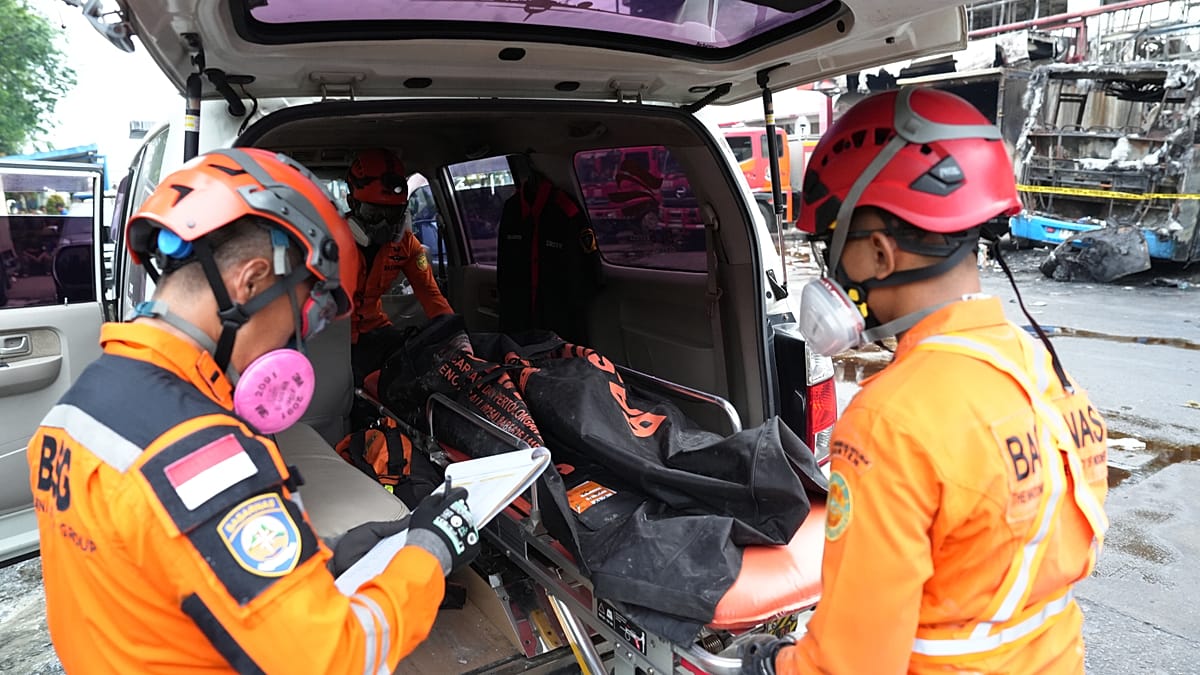
Emergency teams have been working around the clock, using heavy machinery to clear debris and locate survivors. As of the latest update, at least 26 bodies have been recovered, and officials fear the number could rise as the search continues. Dozens of workers have been injured, many with severe burns and smoke inhalation.
Rescue and investigation
Rescue operations are being hampered by the unstable structure of the partially collapsed building, as well as by smoke and heat. Firefighters and military personnel are collaborating with police and volunteers to reach those still unaccounted for. Local media have reported that some workers sent desperate messages to family members before losing contact.
The cause of the fire is not yet known, but investigators are looking into possible electrical faults and the storage of flammable materials. Witnesses have described a sudden, intense blaze that left little time for evacuation. One survivor, speaking to a local news outlet, said: “We heard an explosion, and then everything was on fire. I ran, but many of my colleagues didn't make it out.”
This tragedy comes just weeks after a similar incident at another factory in western Java, where six bodies were recovered following a fire. That earlier disaster had already raised questions about enforcement of safety regulations in the region's industrial zones.
The European Union has expressed condolences and offered assistance. The bloc has been deepening its economic ties with Indonesia, and negotiators recently finalised a free trade pact after a decade of talks. That agreement is expected to boost trade in goods and services, but it also highlights the importance of aligning labour and safety standards as supply chains become more integrated.
For European companies sourcing from Indonesian factories, the fire is a stark reminder of the human cost behind global supply chains. Many European brands have committed to ethical sourcing, but incidents like this underscore the need for rigorous audits and transparent reporting. The tragedy also resonates with ongoing labour disputes across Europe, where workers are demanding better conditions and fairer treatment. In Brussels, for instance, workers have been protesting against austerity measures, and in Germany, metalworkers have gone on strike at major automakers over pay.
As the rescue effort continues, the focus remains on finding survivors and supporting the families of the victims. The Indonesian government has promised a full investigation and has said it will review safety protocols at factories nationwide. For now, the community near Jakarta is in mourning, and the world watches as the search goes on.