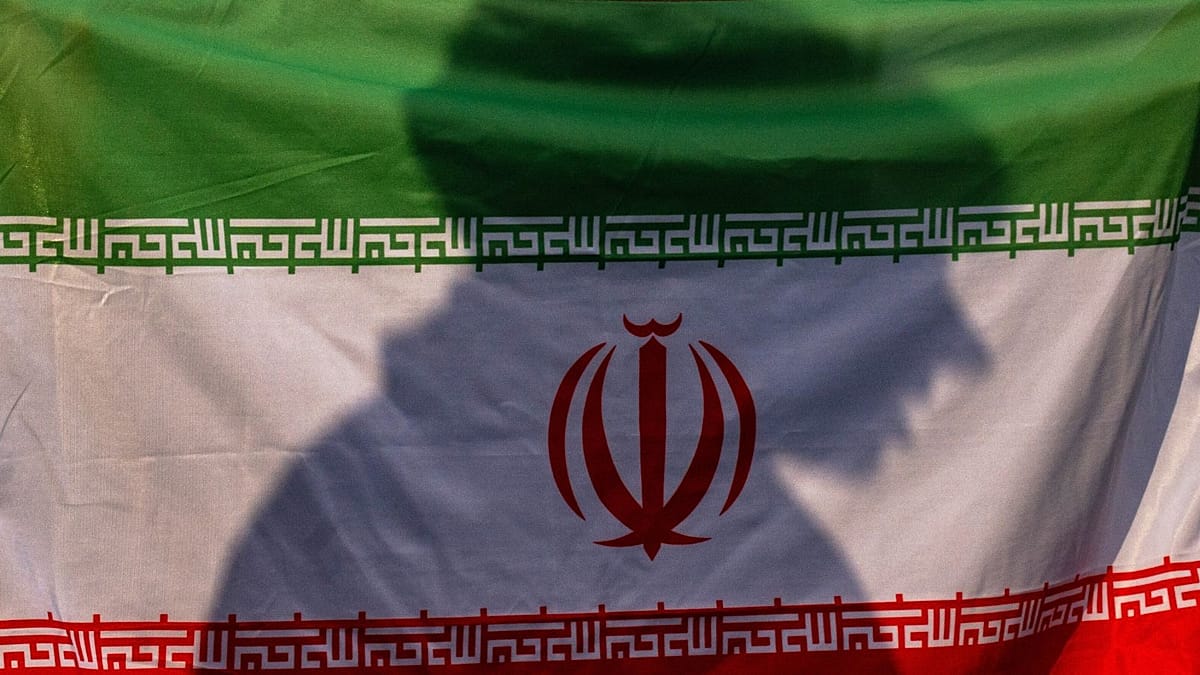
Iran has carried out the executions of two individuals, Yaqoub Karimpour and Nasser Bakarzadeh, on charges of spying for Israel, marking the latest in a series of state-sanctioned deaths that have drawn widespread international condemnation. The executions come as Iran's judiciary chief, Gholamhossein Mohseni Ejei, publicly dismissed appeals from foreign governments and human rights organizations to halt the practice.
According to Iranian state media, Karimpour was convicted of cooperating with Mossad during the 12-day war in June 2025, allegedly transmitting sensitive national information to Israeli intelligence. Bakarzadeh faced similar charges, accused of collecting details on senior political and religious figures, as well as coordinates of key locations, including the Natanz nuclear facility, and passing them to a Mossad officer. Both sentences were upheld by Iran's Supreme Court.
Human Rights Concerns and Forced Confessions
The Human Rights Activists News Agency (HRANA) had warned of the imminent executions. The group identified Karimpour as a follower of the Yarsan religious minority, also known as Ahl-e Haqq, and Bakarzadeh as a Kurdish political prisoner. HRANA reported that Karimpour, 41, was arrested in June 2025 and denied access to a lawyer and family visits during his detention. He was reportedly held under security pressure for about two months to extract forced confessions. Bakarzadeh, arrested in December 2023, was sentenced multiple times by the Urmia Revolutionary Court. A recently released audio file from inside Urmia prison quoted him saying, 'Every moment I see my own death.'
The executions are part of a broader crackdown. The Hengaw human rights organization reported that at least 26 prisoners were executed in Iranian prisons in April 2026 alone, including 14 political prisoners and one woman. This surge coincides with ongoing US and Israeli military operations against Iran, as noted in related coverage of Trump's rejection of Iran's peace proposal.
In a defiant statement, Mohseni Ejei responded to international pressure by saying, 'The political apparatus and propaganda of the aggressor enemy say that such-and-such a criminal must not be brought to account for his actions and executed. Who are you to use such rhetoric? We will certainly not show negligence or leniency in prosecuting and legally punishing any criminal whose hands are stained with the blood of our people, and we pay no attention to the bluster of the arrogant powers and their propaganda mouthpieces.'
The European Union has consistently condemned Iran's use of the death penalty, particularly in cases involving political prisoners and minority groups. The bloc's foreign policy chief has called for an immediate halt to executions, emphasizing that such actions violate international law. The UK and France have also issued statements denouncing the executions, urging Tehran to respect due process. This latest development echoes earlier concerns raised in reports such as the execution of a 21-year-old karate champion.
Iran's judiciary maintains that these executions are lawful punishments for espionage, which it views as a threat to national security. However, human rights groups argue that the trials lack transparency and that confessions are often obtained under duress. The international community remains divided on how to respond, with some calling for stronger sanctions while others advocate for diplomatic engagement.
As the conflict between Iran and Israel continues to escalate, with recent Israeli strikes in southern Lebanon and interceptions of Gaza-bound flotillas, the human cost of the broader regional tensions grows. For European observers, the situation underscores the challenges of balancing security concerns with human rights commitments in foreign policy.